

November 1, 2026
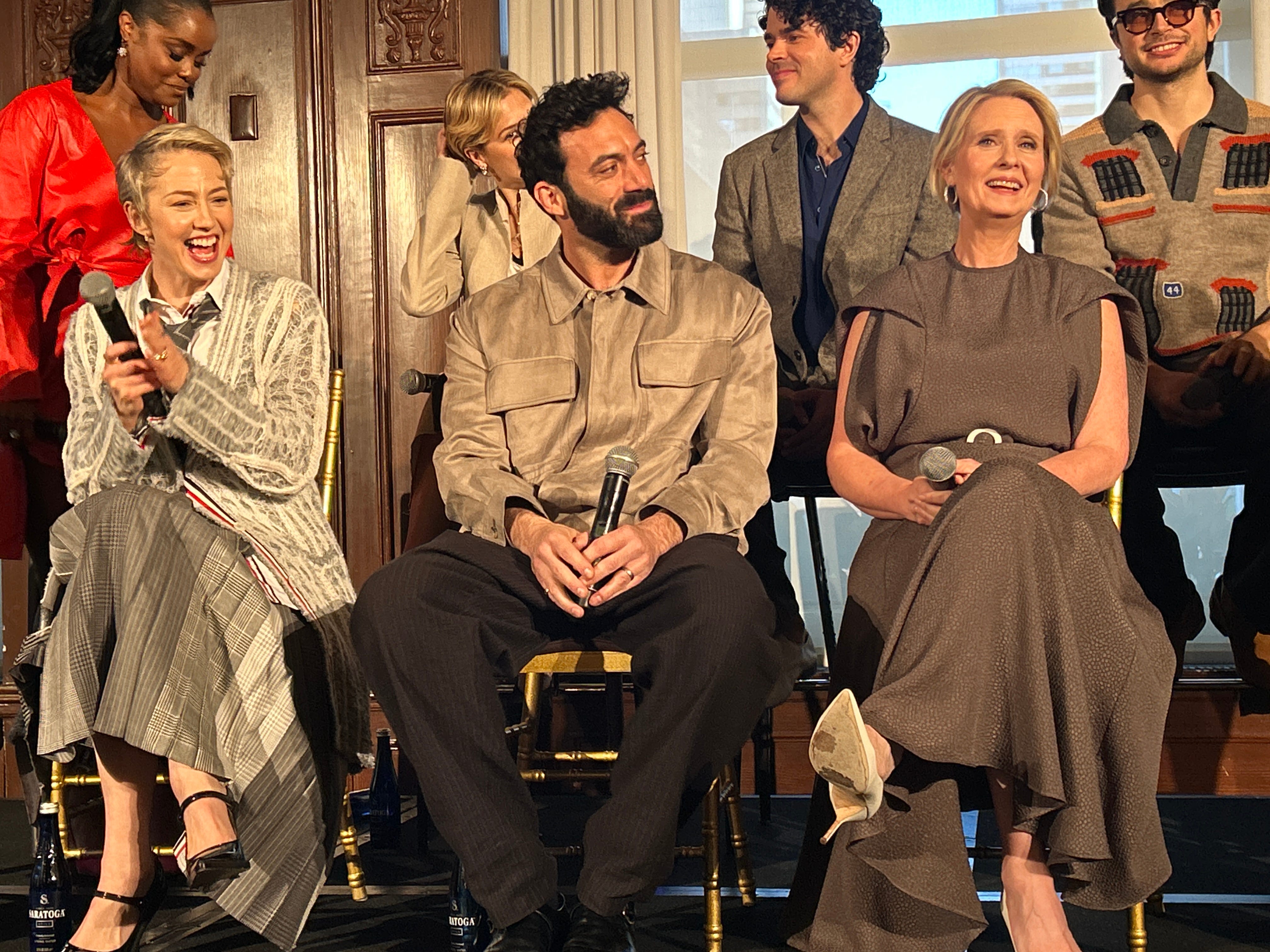
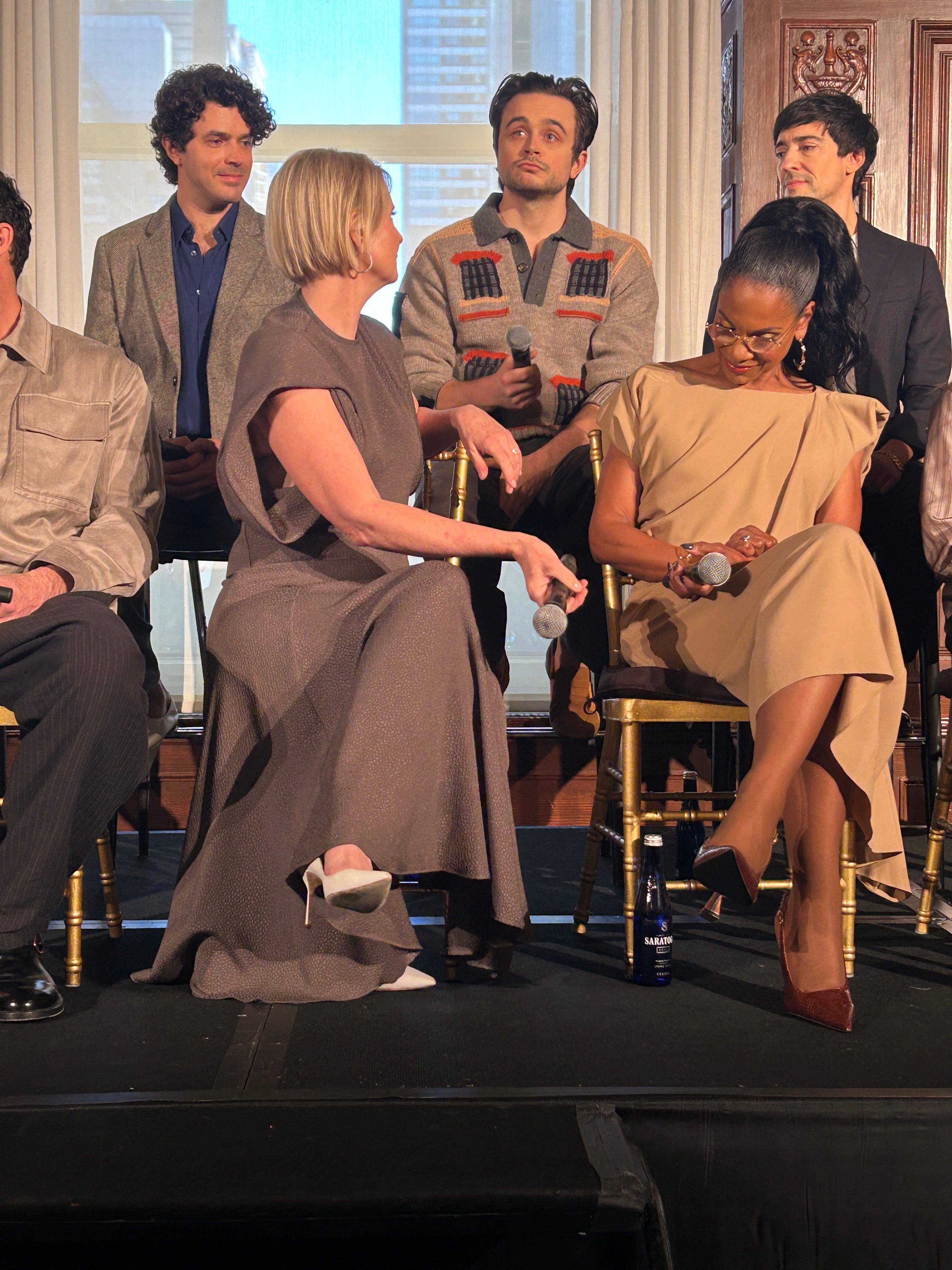
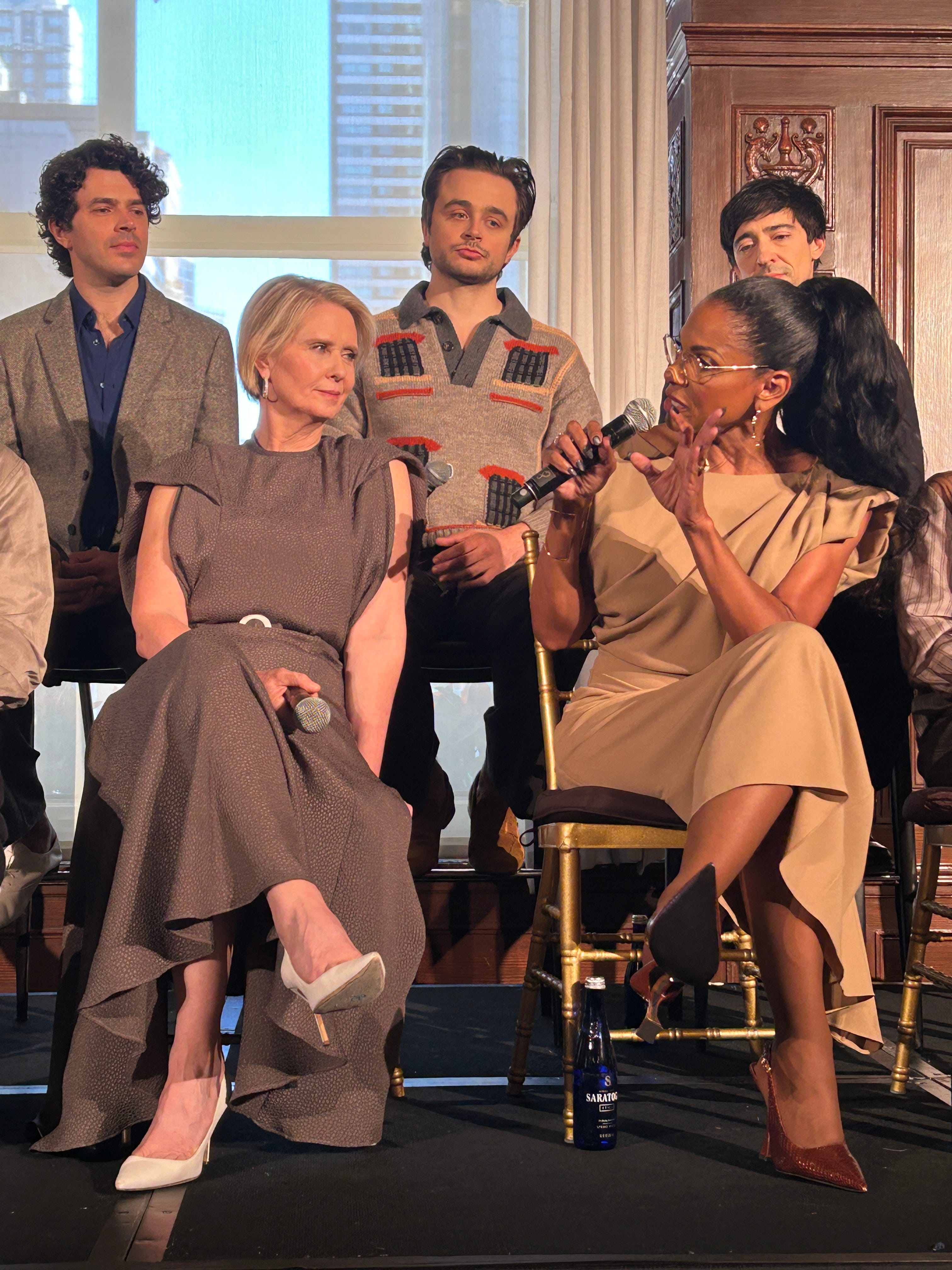
I attended a presser for The Gilded Age Season 4 last week at the Plaza, where members of the press were treated to a close-up encounter with most of the cast and then a High Society Tea with The Gilded Age.
First things first: If you get a shot before the hotel gets shut down (January 19 … for at least four years!), treat yourself to the tea. For $150, you get tea, delicious sandwiches and scrumptious sweets. The scones are incredible.
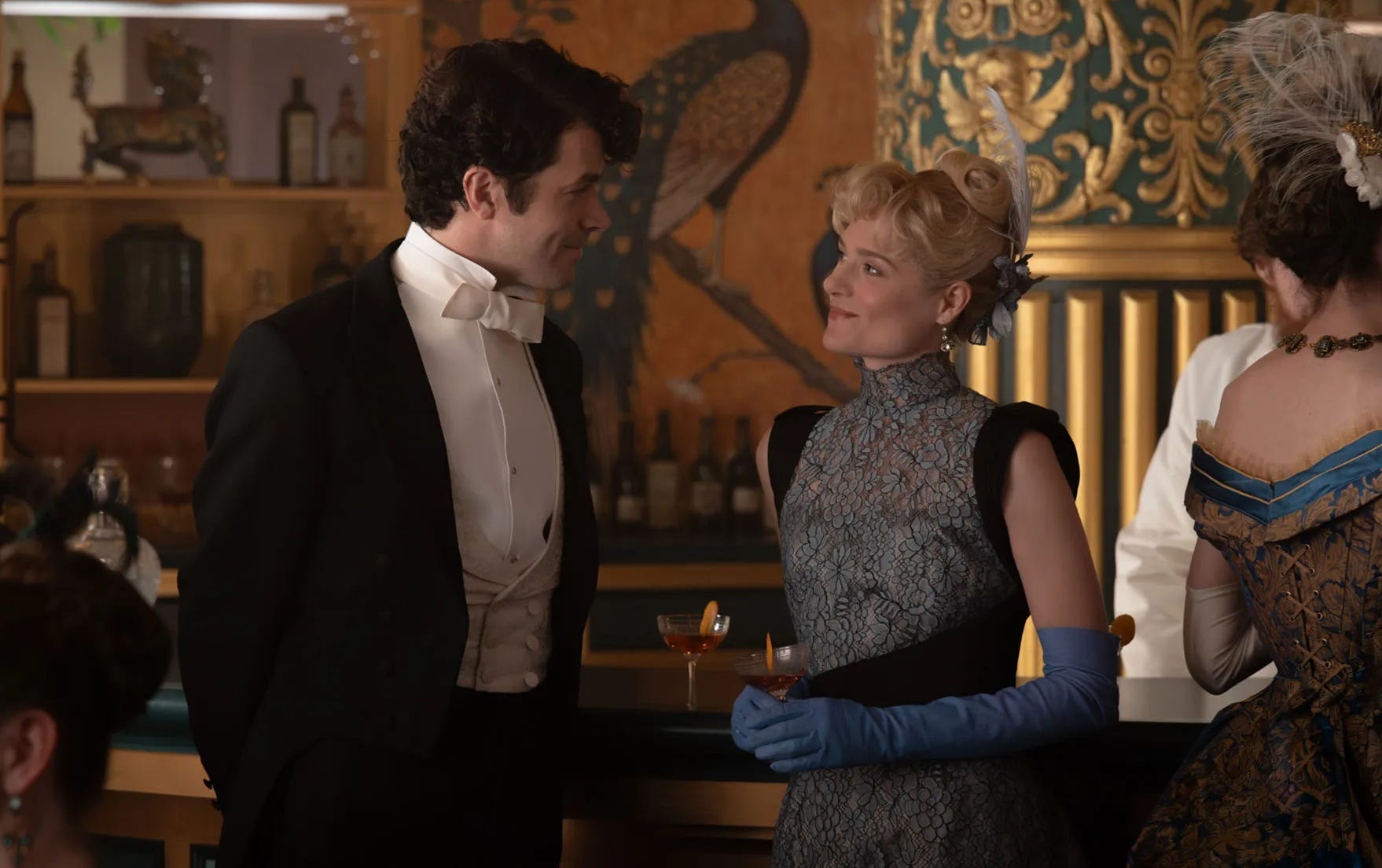
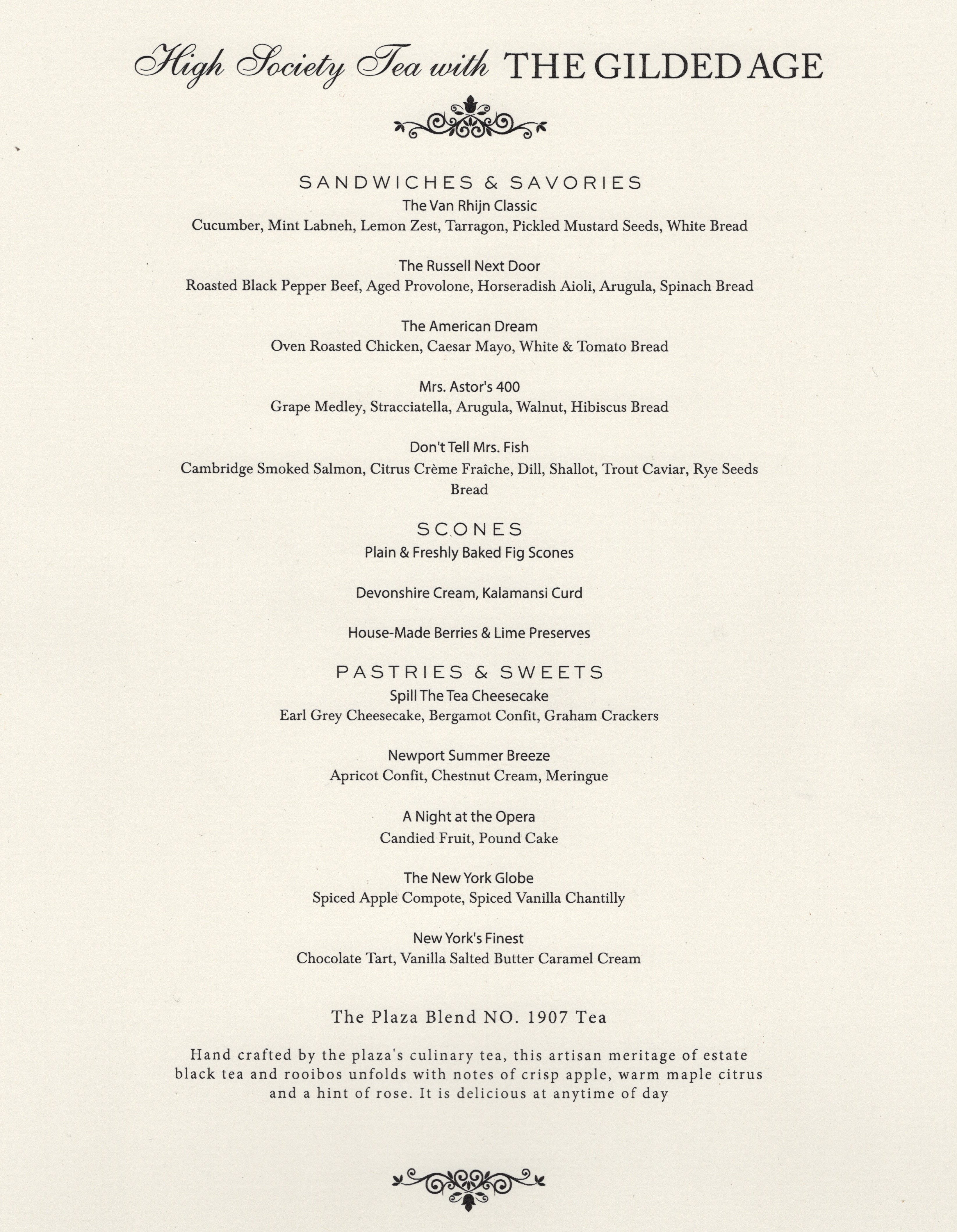
It was perfectly paired with this show, which itself is yummy. Unlike Downton Abbey, it’s a period piece that hasn’t slid into soap operadom, and it employs some of Broadway’s finest throughout its ranks.

Still, as marvelous as the acting is from everyone, it’s Carrie Coon and Morgan Spector as ruthless social climbers Bertha and George Russell who are the sun around which the galaxy of pure and impure characters revolve.
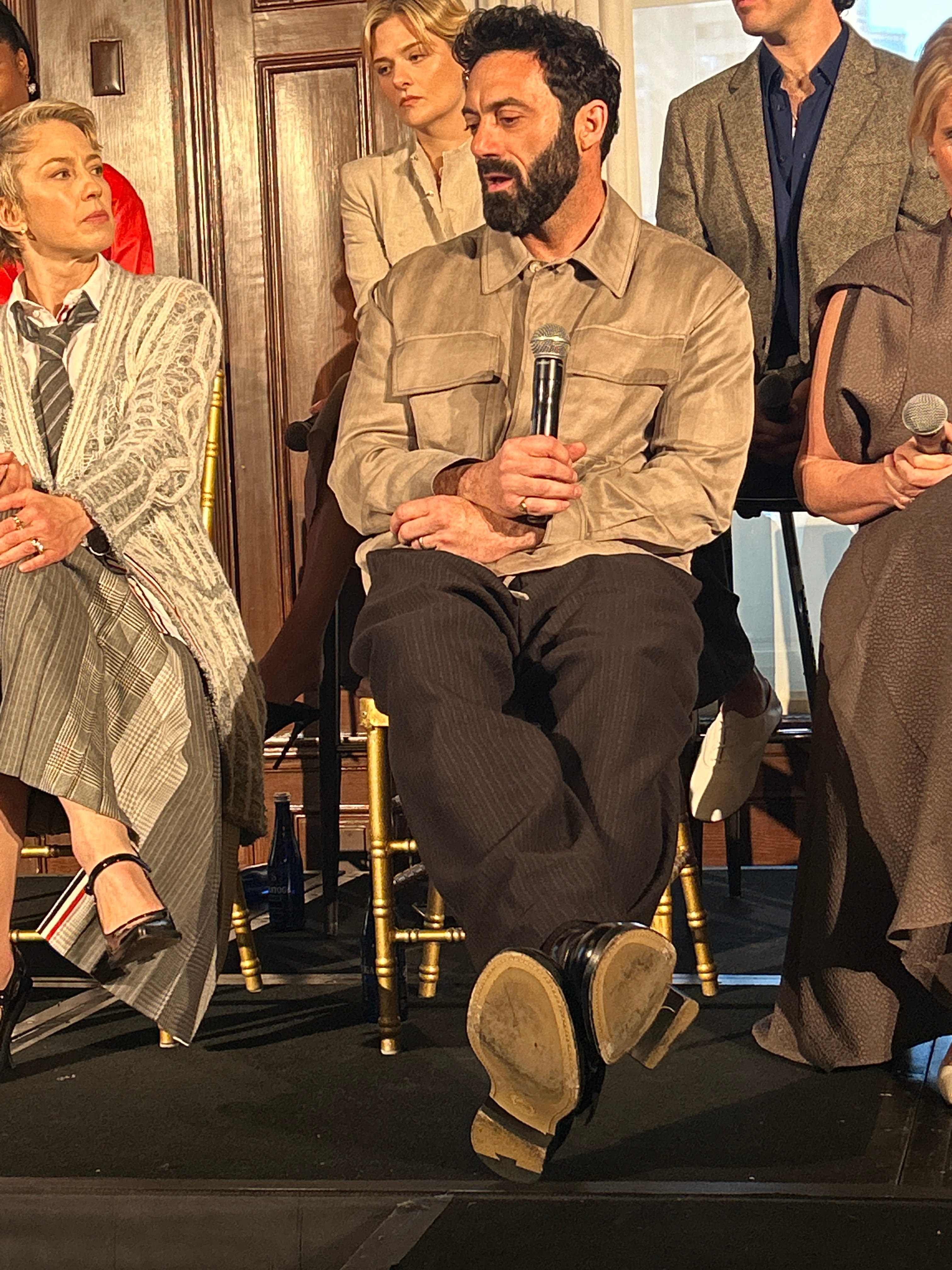
As Season 4 opens, George and Bertha are at odds. At the presser, Morgan noted, “I think without Bertha, George is lost, actually, and I think that’s what we see sort of play out over the whole season, is that without that central relationship sort of structuring his life and providing real meaning to everything he does, I mean I think all of his business is in service of this family and in service with that relationship. And even in service of her ambitions, right? I mean it’s about realizing together what they want to achieve as a couple. And if everything he’s doing is no longer in service of that, then I think he really is adrift. And I think that’s, filling that void is kind of what the rest of the season is about.”
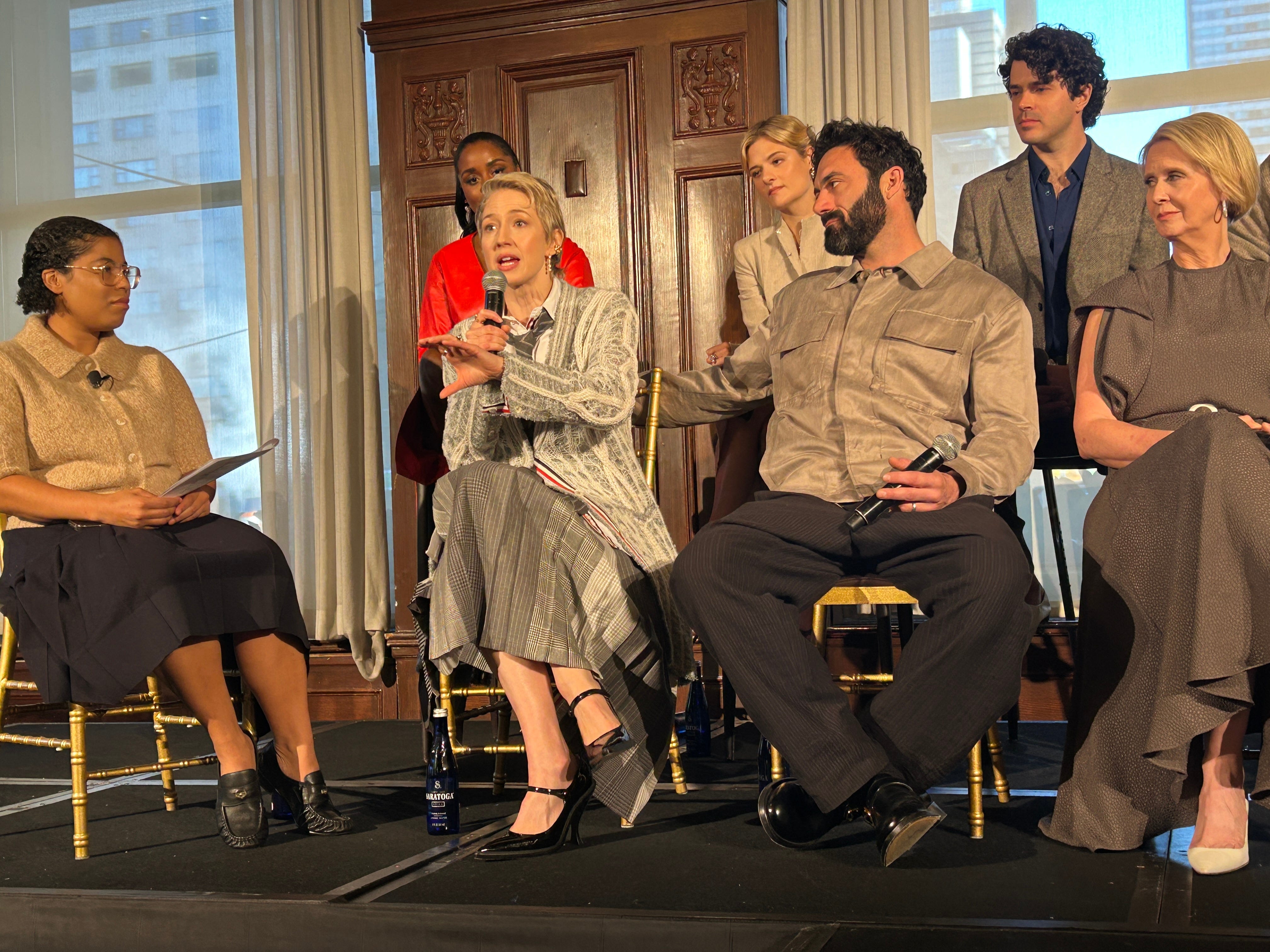
Asked if Bertha is happy in Season 4, Coon couldn’t resist addressing it existentially, and comparing her 1880s mom to all the woman who’ve come since.
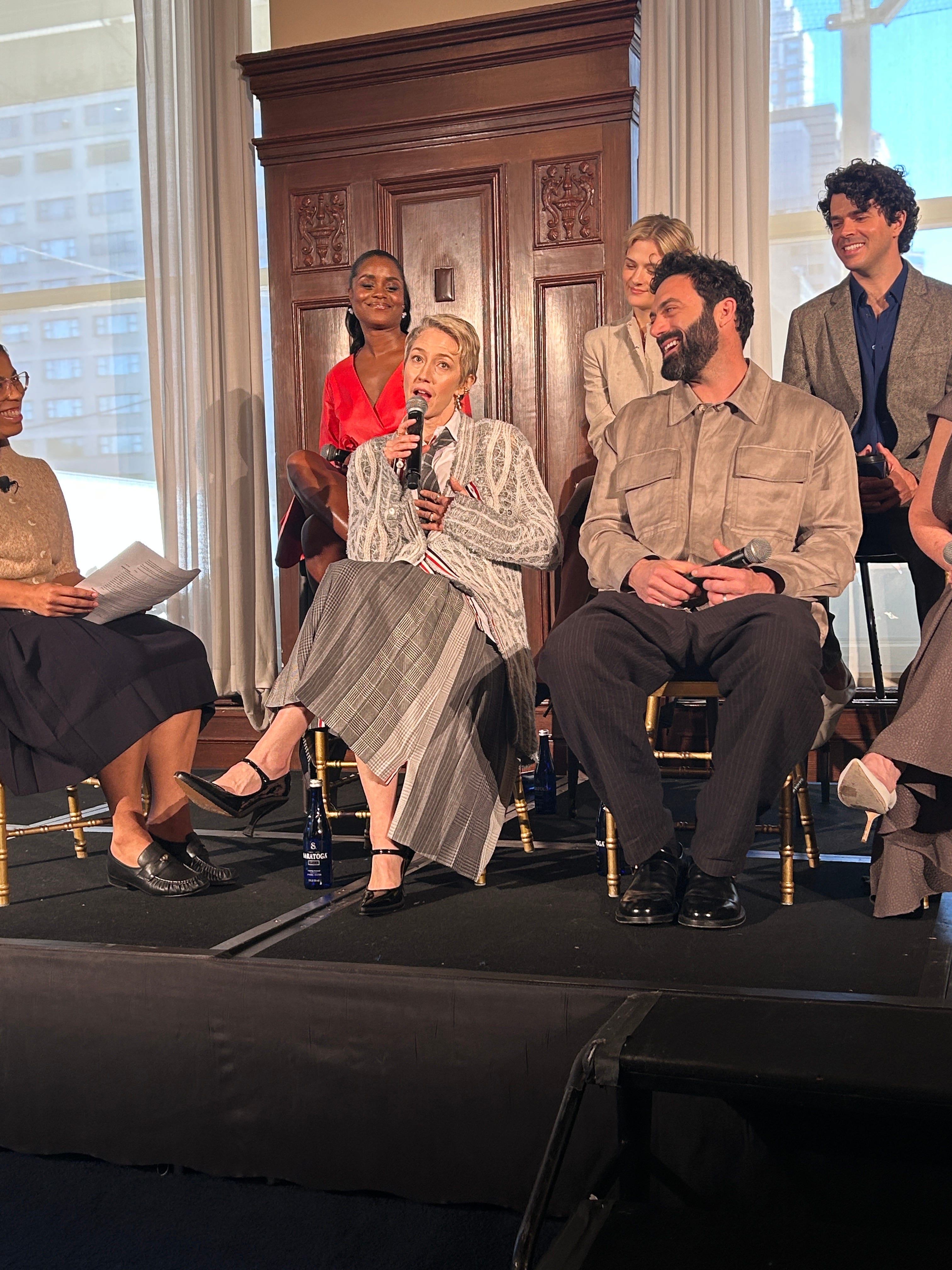
“I don't know that the question of happiness is one that some women, in particular, because that's the experience I can speak to, or have the luxury of asking,” she admitted. “So much of what it means to be a woman in the world is about survival. Of course, Bertha has every advantage in the world, as do I. I live a life of tremendous privilege. And yet, the dance I am doing as a mother and a working mom in a society where both of those things are somehow wrong is not an easy one.”
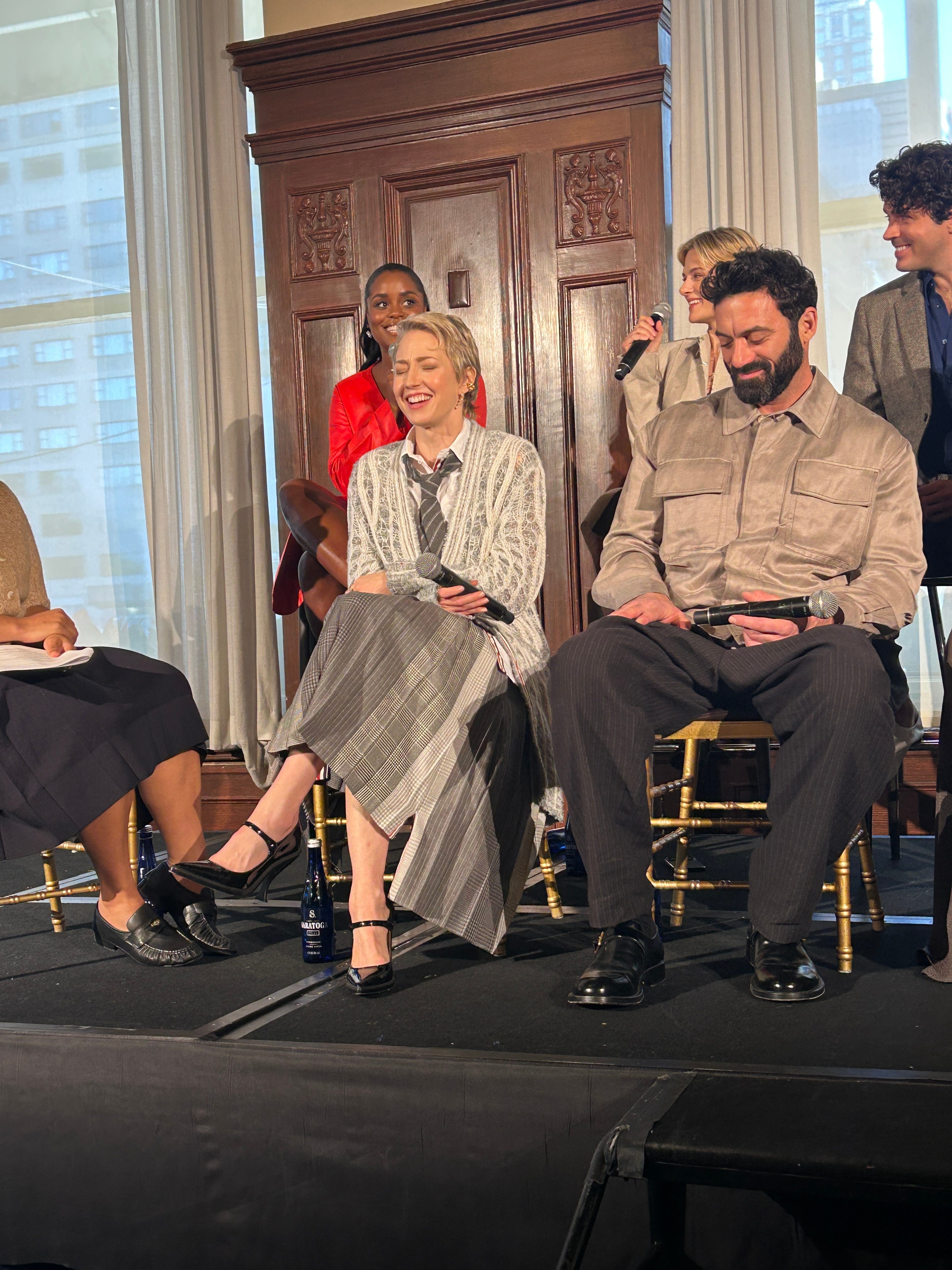
I should also point out that Coon, who is tremendously political, spoke up to say, “I feel that the erosion we are experiencing in our basic civil rights are going to hit outsider populations first and women also. I mean, the health care crisis in the United States. Like what’s happening, women are like bleeding out in parking lots and dying of sepsis. They’re trying to take our vote away. Like it’s survival every single day. And so, I don’t know that happiness is, it’s a luxurious question.”
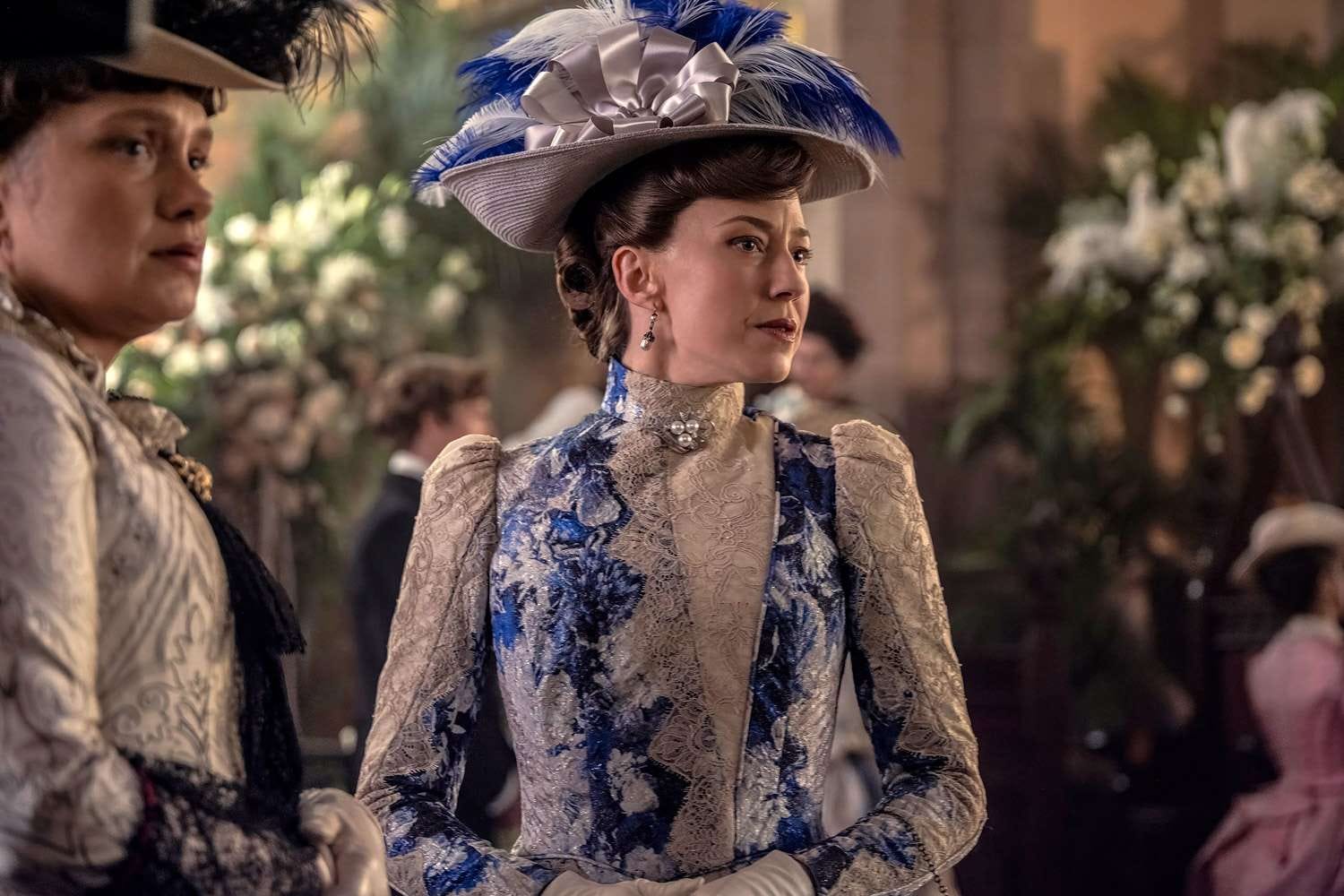
The luxurious show is absorbed with power of the railroad robber baron variety, of the NYC high society variety and even of the sort that makes daughters run afoul of their controlling mothers.

There is also a scintillating development when Jack, a servant whose brilliant mind dreams up a timepiece that makes him wealthy overnight (hence, his nickname among fans = “Clock Twink”). The guy who plays him, Ben Ahlers (freshly delivered from brilliance on Broadway in Death of a Salesman), said of his character’s transformation, “This is a time in American history where you were really starting to see for the first time people being able to elevate beyond their class, really in global history, because we were such a caste sort of aristocratic system and we certainly suffer from that today in various ways. But that’s a massive leap, that’s, a massive shift, especially for a young man who, as we learned in season one, was an orphan when his mother died in the Peshtigo Fire, and was really living a steady, consistent life with a family of coworkers and stability and a purpose day-to-day. And what I appreciate so much about Jack is that he was never seeking the sort of inherited social desires of power and fame and money. He says, you know, ‘I saw a problem in front of me, and I tried to solve it.’ And I think that as an artist, and as, you know, anybody who’s pursuing something, that seems to be the truest way to try to pursue something is to find that specific calling on your heart and follow it to its furthest edge.”
Brilliantly, the show — unlike so many period pieces — does not pretend people of color do not exist, nor does it pretend they’re all sassy servants. Denée Benton’s storyline as aspiring journalist Peggy Scott is arguably the best of the bunch, and draws in characters played by everyone from THE Audra McDonald (as her mother, Dorothy) to THE Phylicia Rashad as discerning Elizabeth Kirkland.
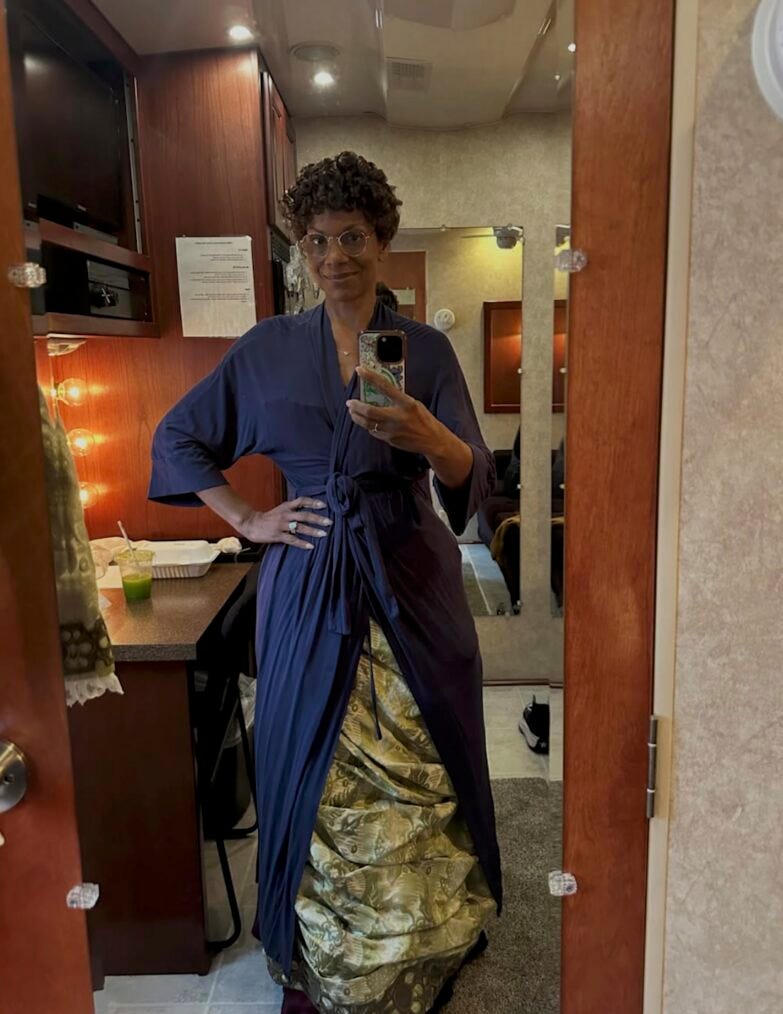
“Dorothy keeps confronting with the Kirklands [that they] seem to be wanting to step away from their Blackness,” McDonald observed. “And try and get more proximity to whiteness, or certainly, I think Elizabeth Kirkland is doing that, whether she realizes it or not. And Dorothy is not necessarily trying to pull her down, but she keeps trying to remind her in ways to say, hold on. We’re still seen as a monolith, and we still can only really move on together, so we can’t cut off any one of our bits and pieces as a race, even though that’s a concept.”

Then there is the fact that the show includes a character after my own heart, a gay spendthrift called Oscar (Blake Ritson). This, in no small part, is why it has such a rabid queer following (though the divatastic women might be an even bigger pull).
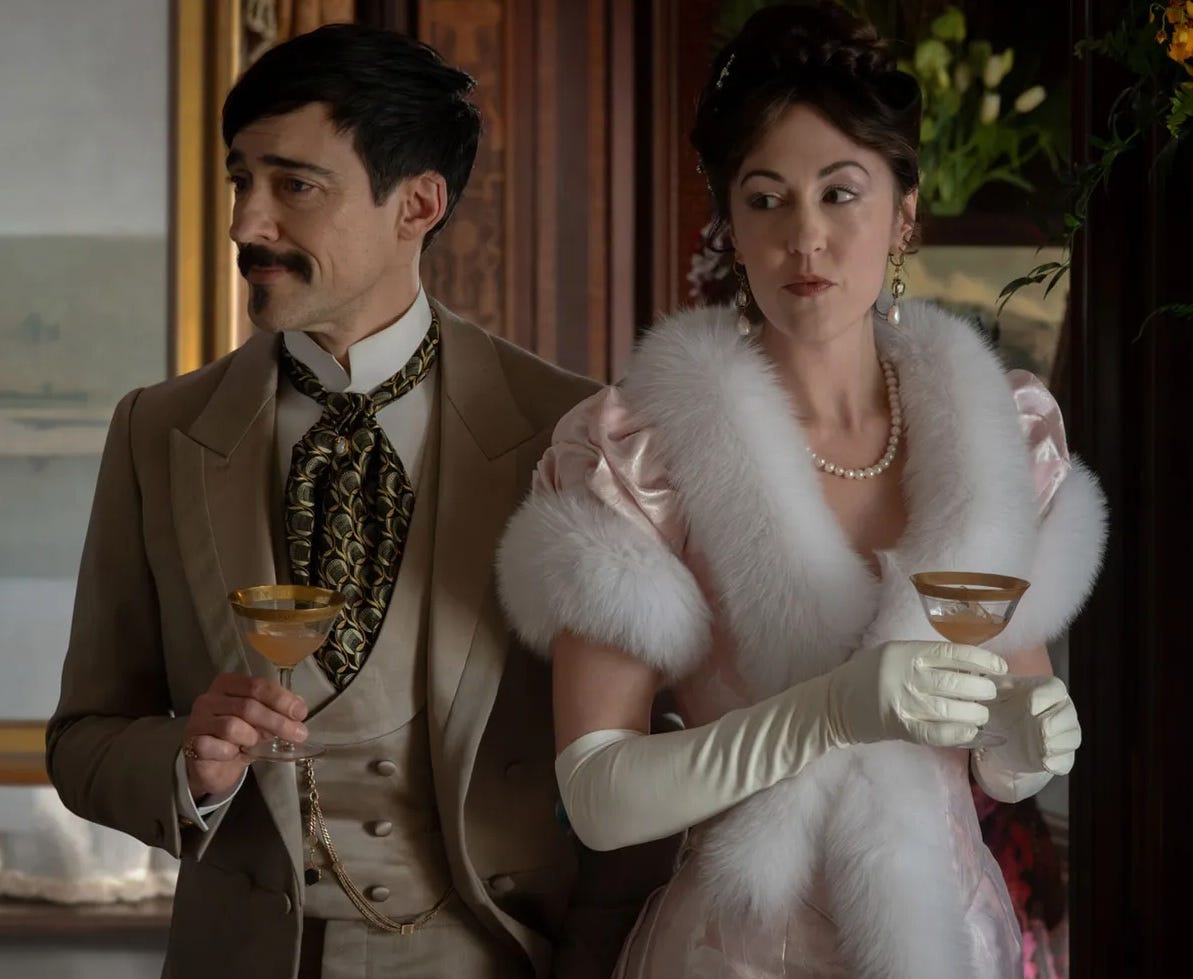
Ritson says, “I suppose playing Oscar, who is a gay character, in a time when there were huge legal and social ramifications to being found out to be gay, you could say that this is kind of locked in its period-ness and that the stakes were much higher then, but I’ve been really overwhelmed by how people have reacted to the kind of effectively the coming-out scene in season three. I think it’s worth remembering that The Gilded Age is a show that comes out in, I think, over 60 countries, is it? And I think there are still many, many cultures, contexts, where coming out is not an easy thing. It is painful, it’s illegal in some countries, obviously, to this day. So, it really, you know, is pertinent. And it's lovely seeing it through this kind of refracted prism of The Gilded Age and knowing that there are kinds of legal repercussions.”
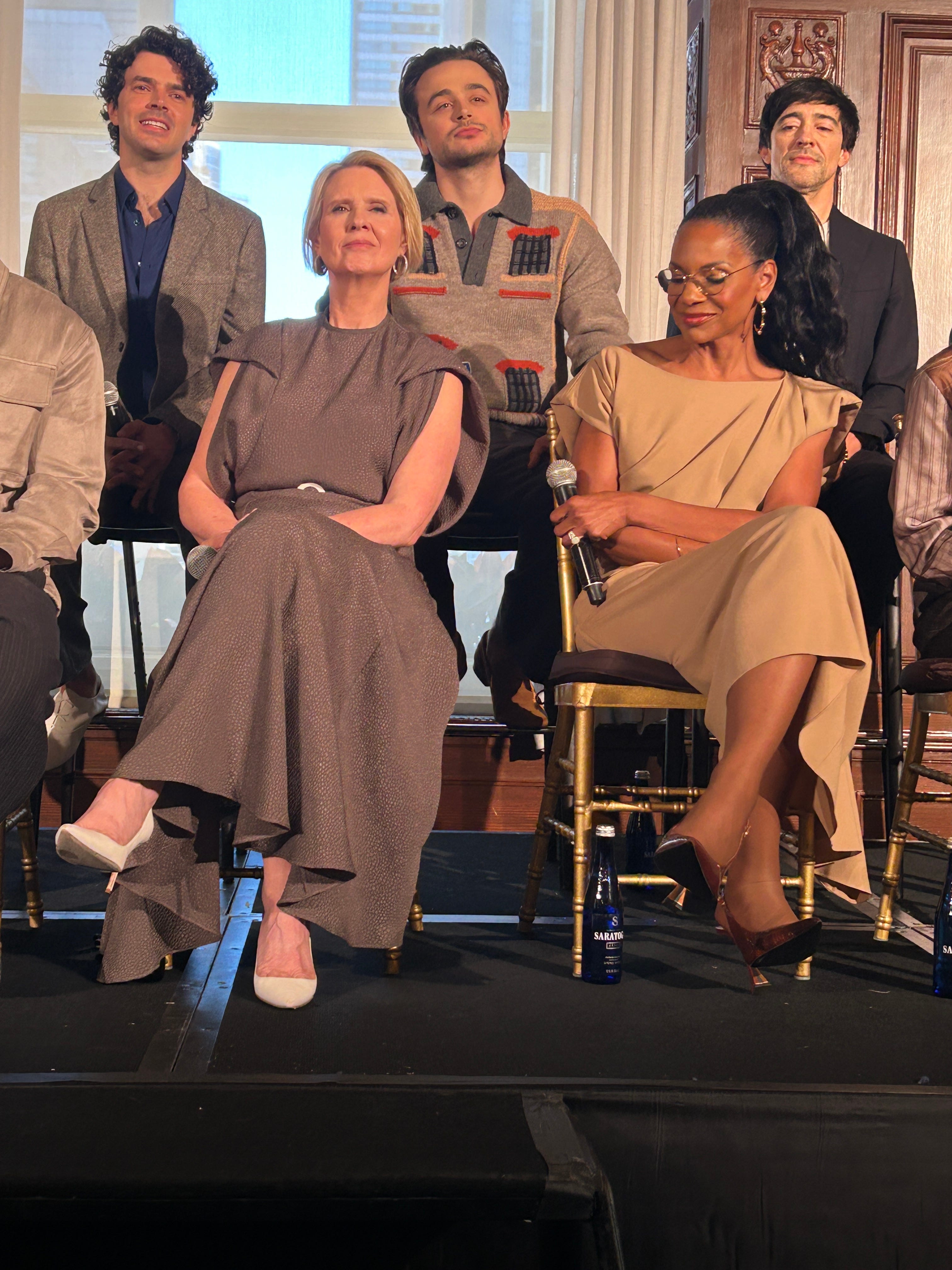
And the push and pull between tight-as-a-drum Agnes van Rhijn (Christine Baranski, in yet another career peak) and her sister Ada Forte (Cynthia Nixon) provides familial drama in spades.
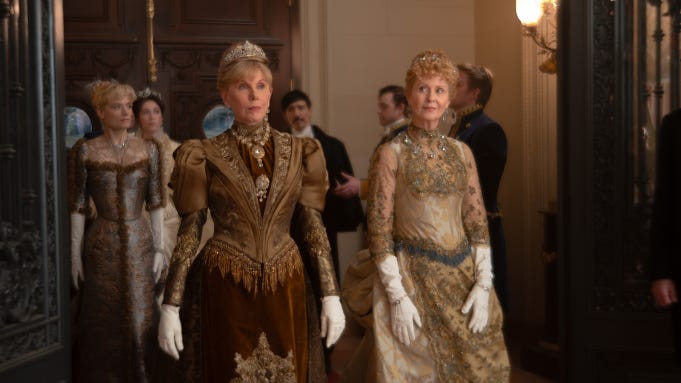
All of this is to say that this is a show that feels as compelling after three seasons as it did after three episodes. It continues to surprise (and sometimes shock — goodbye, Claybourne Elder!), and I can only hope that Season 4 is not its long goodbye.
Just in case, I’ll be savoring each episode.⚡️


Season 4 of The Gilded Age premieres tonight at 9 p.m. ET/PT on HBO and streams on HBO Max. You can expect eight episodes.