

June 8, 2026
Jeffrey Schwarz is one of the finest documentarians working today, and he only gets better with each subject he chooses to capture, explore and preserve.
Specializing in queer culture — he has created works devoted to Divine, Tab Hunter, Allan Carr and Hollywood’s fight against AIDS — he has taken on a particularly loaded topic in Mineshaft: The Cruising Murders, which had its world premiere at the Tribeca Film Festival Saturday.
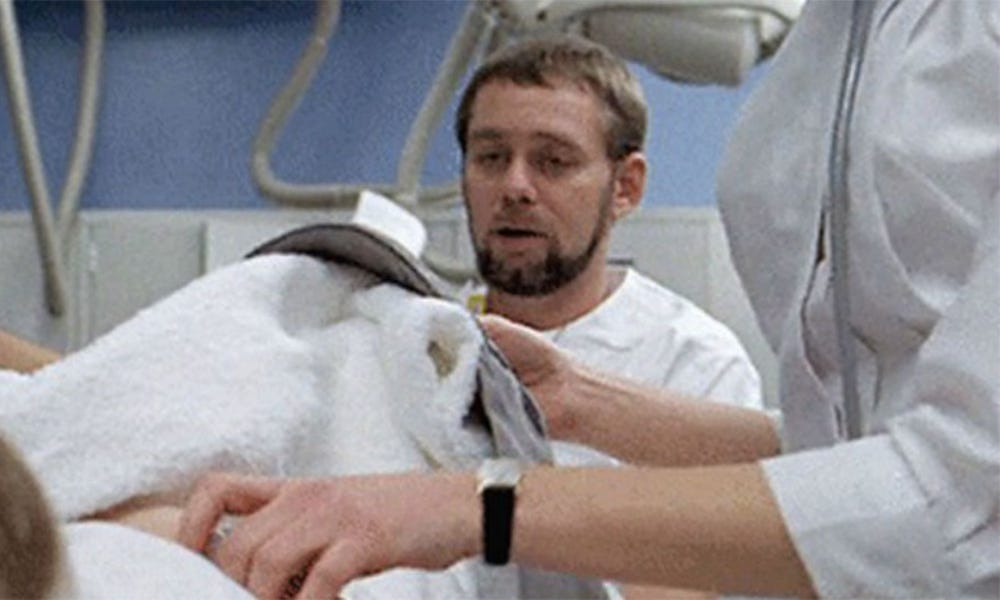
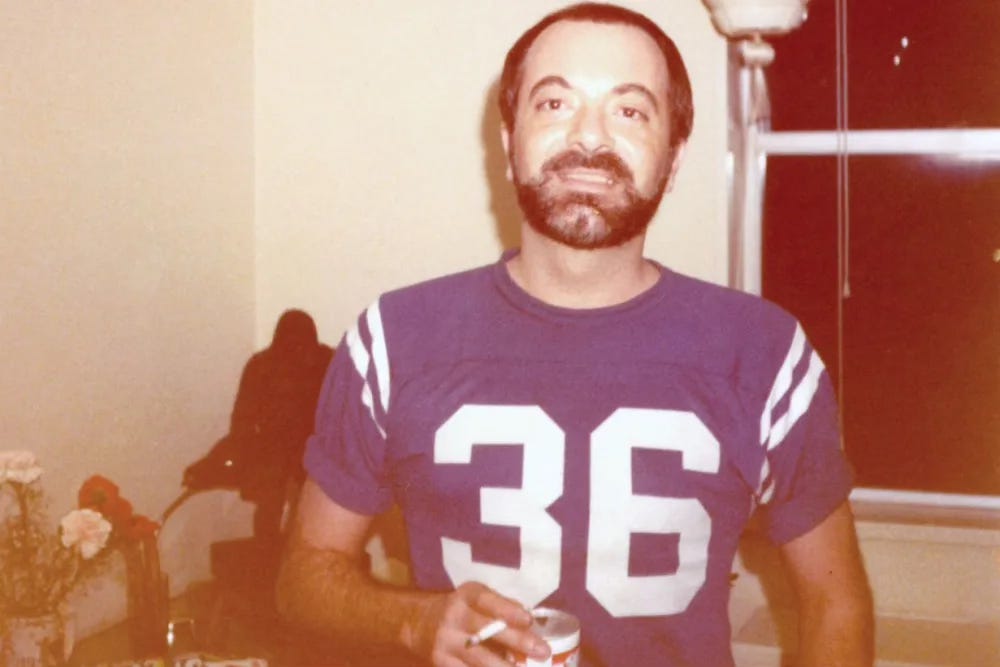
The film is at first a meditation on the controversy that roiled the gay community in the ‘70s when hot-shot director William Friedkin decided to adapt the 1970 novel Cruising by Gerald Walker, about a serial killer slaughtering gay men in NYC, into a feature film. Friedkin was more directly inspired by his discovery that an extra in his own phenomenally popular film The Exorcist — Paul Bateson — had senselessly murdered a man he’d gone home with for sex. Bateson had chosen to smash his sleeping trick, Variety film reporter Addison Verrill, over the head with a frying pan, and then to stab him to death.
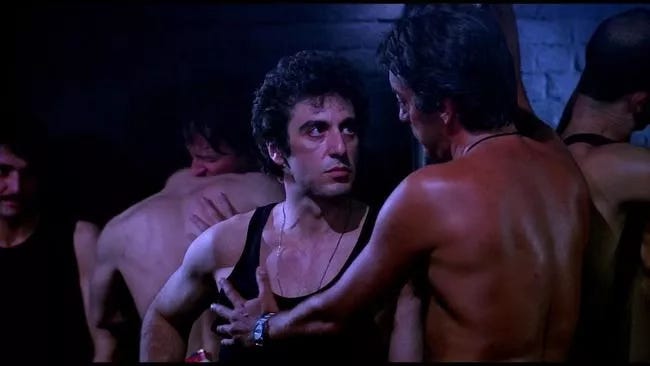
Intrigued by the nonsensical nature of the crime, Friedkin made substantial — and sensationalized — changes to the story of Cruising, closely modeling it after Verrill’s killing, steeping the film in the trappings of the gay SM community and harping on the concept that the hero, a suitably clone-like undercover cop played by Al Pacino, becomes personally drawn to the dark world of SM — and murder — while investigating.
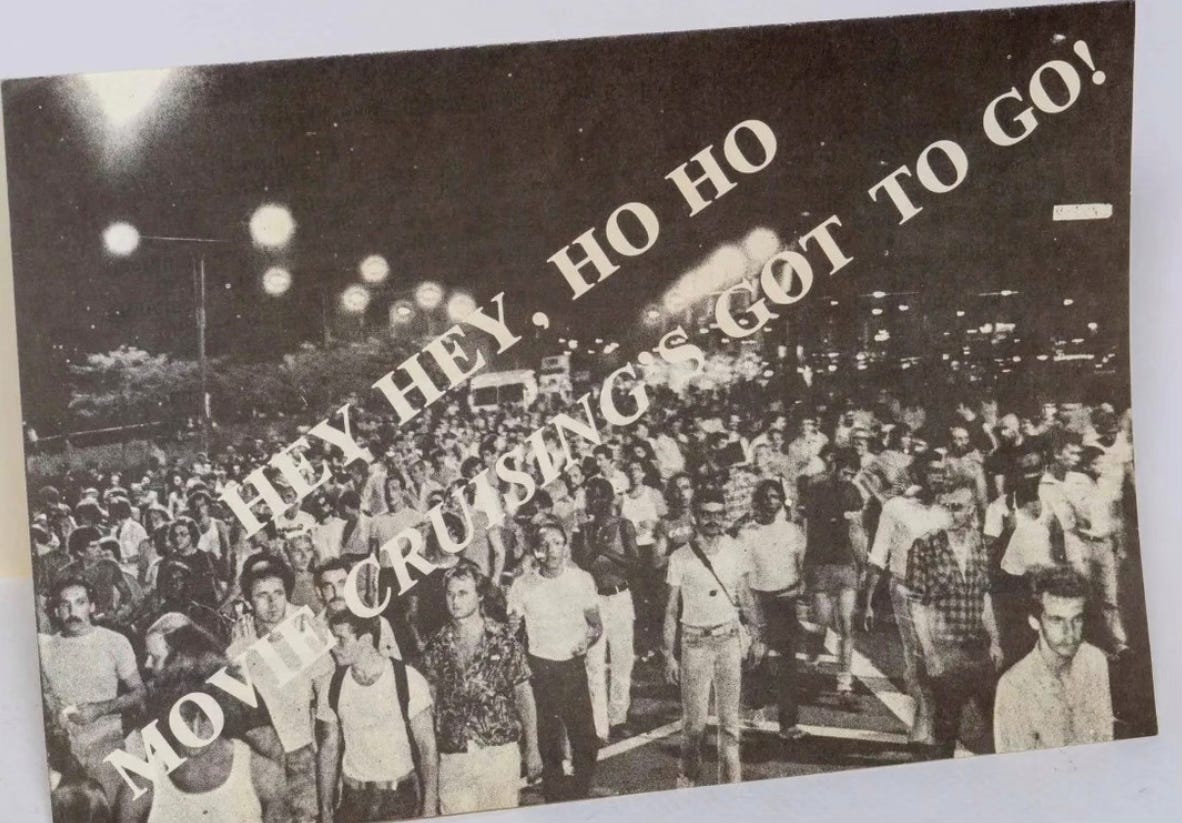
As extensively documented by Schwarz, the LGBTQ+ community in Greenwich Village, where the film was being shot, rallied against it, driven by firebrand Village Voice writer Arthur Bell, who loathed “worm of worms” Friedkin. Bell comes off in Mineshaft as a righteous, occasionally self-righteous, scold, but one with a goddamn good point, while Friedkin comes off as the nasty piece of work he has widely been reported to be.
Bell’s argument was that just as queer people were gaining some rights and visibility, why should Friedkin choose that moment to make a film that centered on a gay serial killer, one that exposed the extreme elements of hedonistic gay culture to a mainstream audience?
As Schwarz shows, the film was also insensitively timed right after the 1975-1977 so-called Bag Murders, when a half dozen gay men (whose identities have never been proven) were murdered and dismembered by a killer who got away with it.
All of these events made Cruising one of the most controversial and pre-hated films of all time, and did absolutely nothing for Pacino’s brilliant career. (He’s refused to speak of it ever since.)
I had feared Mineshaft — named for the ultimate gay SM bar that had to be recreated for Cruising when its owner refused a filming permit — might be a reclaiming of a movie I personally find irredeemably homophobic. After all, it has won over a huge (mostly younger) fanbase after its initial disastrous run in theaters, people who seem to overlook that the script and Friedkin’s vision are explicitly, callously homophobic. To be fair, as terrible as Cruising is as a movie, Friedkin’s decision to use real gay leathermen and its exquisite cinematography make it something of a cultural time capsule worth watching — with the sound off.
I couldn’t have been more wrong in my fear, though — Mineshaft’s many interview subjects dutifully rake Cruising over the coals, including calling out its more anti-gay elements: a scene intercutting gay sex with murder and also Friedkin’s last-sec decision to end the film ambiguously, which to me has always suggested that homosexuality is both murder … and contagious.
I’ve always felt the film’s content, more than any theoretical debate about whether it presented gay people in a positive light, was what makes it so poisonous.
More surprisingly, Mineshaft features invaluably sensitive interview footage with Verrill’s surviving sister, Pamela. Her heartbreak over her brother’s slaying is nearly 50 years old, but it feels raw and new, even as she expresses her understanding that her brother’s killer was a human being.
Along with Verrill’s surviving estranged boyfriend Bob Geary, she lovingly creates a portrait of her brother that has so much more depth than his legacy as a victim. Schwarz’s lens is patient as Verrill is spoken into three-dimensionality, allowing the story’s more lurid aspects — rumors that Bateson may have been the Bag Murderer — to wait their turn.
Where the film began to lose me a bit was when one subject’s empathy for Bateson slipped into sympathy. Yes, Bateson was a raging alcoholic with a bad life, but he killed Addison Verrill in the most cold-hearted, unforgivable of ways. To discover a former co-worker of his spent decades consoling him via prison visits is … uncomfortable. After all, Bateson never showed remorse for his crime, and was eventually released from custody.
But perhaps that tension will only enhance the film’s impact on an audience.
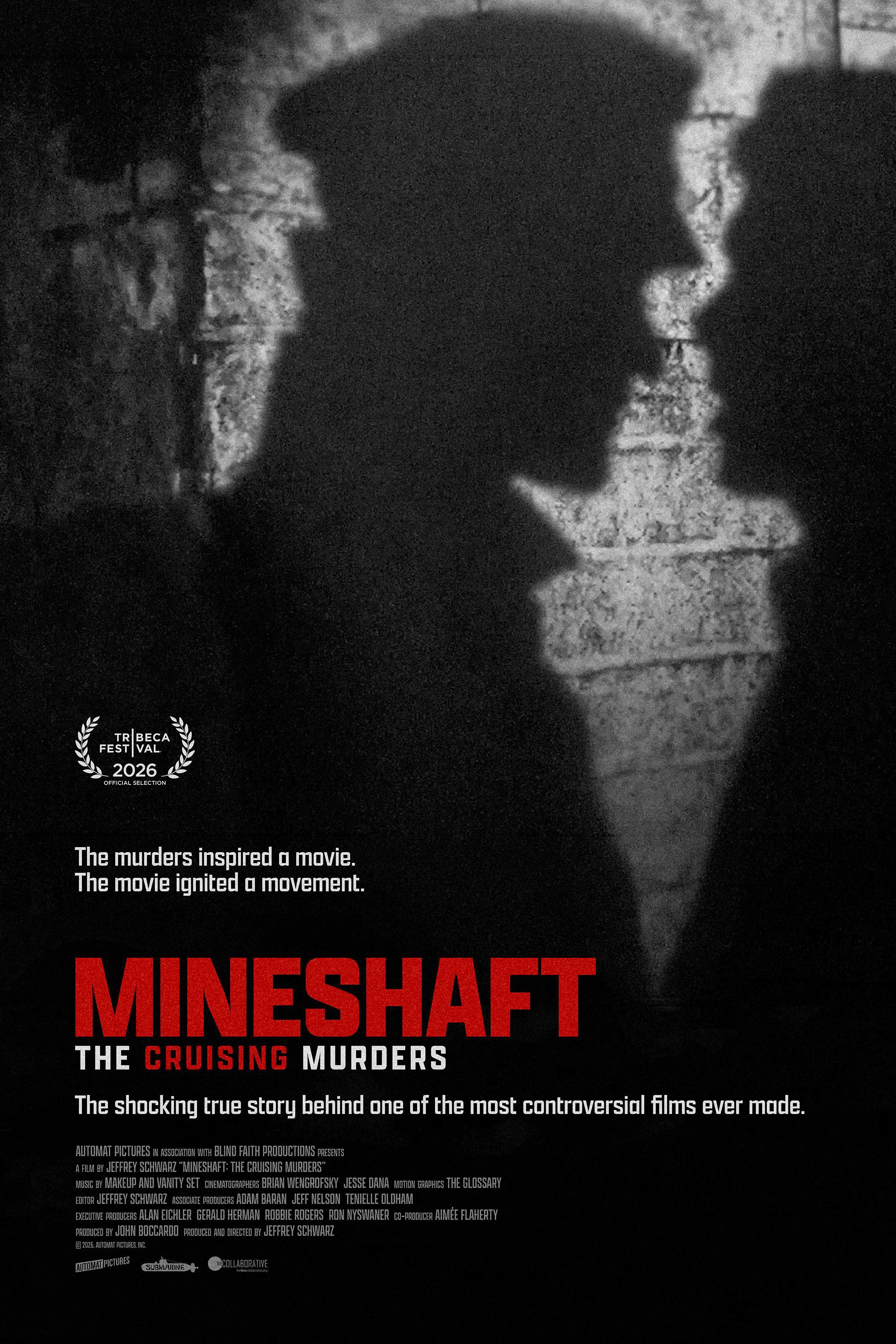
In making Mineshaft, Schwarz was hell-bent for leather, expertly made a film that manages to examine an egomaniacal auteur’s motives in the face of protest; the reception and bizarre redemption of an offensive dud of a feature film; how the LGBTQ+ community came together immediately before AIDS to protest an incursion into our territory; the murder of a man who actually reviewed a movie that featured his eventual killer; and the complicated feelings survivors have when discussing a long-ago loss.
Put another way, Mineshaft: The Cruising Murders is a wonderful film that’s also a valuable document about a terrible film that’s also a valuable document.⚡️
Hmmm. Personally, i’m a horror/thriller fan and always appreciated Cruising. Yes, it’s edgy and dark, and many characters are homophobic—but that all seems realistic to that world and time and genre. It’s not supposed to be a 1980 Will & Grace.
Friedkin also directed Boys in the Band and an early Sonny & Cher flick. I actually interviewed him once about Cruising and don’t think he was personally antigay but was committed to capturing the seedy gay s/m world as it actually existed — regardless of whether it was deemed harmful to the broader lgbtq political movement. Is that good or bad? Does it change an appreciation of Cruising? That’s all subjective, like most art.
I also read the original novel, which has a truly bonkers slasher ending—at a bathhouse!—so actually Friedkin toned it down. Looking forward to this Mineshaft doc. … Thanks for highlighting it!