

July 4, 2026
Let’s get this out of the way: The United States is turning 250, and Madonna has been around for more than a quarter of those years. That isn’t an invitation to make jokes about how she belongs in an institution, it’s a reminder that she is one.
For many of her fans, Madonna represents a comforting constant. Generation X came of age with MTV and a pop-music renaissance led by her and by the rest of a Mount Rushmore of maestros: Michael Jackson, Prince and Whitney Houston.
For more than 10 years, Madonna has been the last of the most indelible icons of her era. Anything but a dinosaur rocker, she has fiercely refused to coast. To the consternation of many of her admirers, and to the delight of those who appreciate her strict anti-stagnation policy, she has sneered at a Las Vegas residency and continued releasing unapologetically contemporary albums, pushing herself not to rest on her laurels as the Queen of Pop.
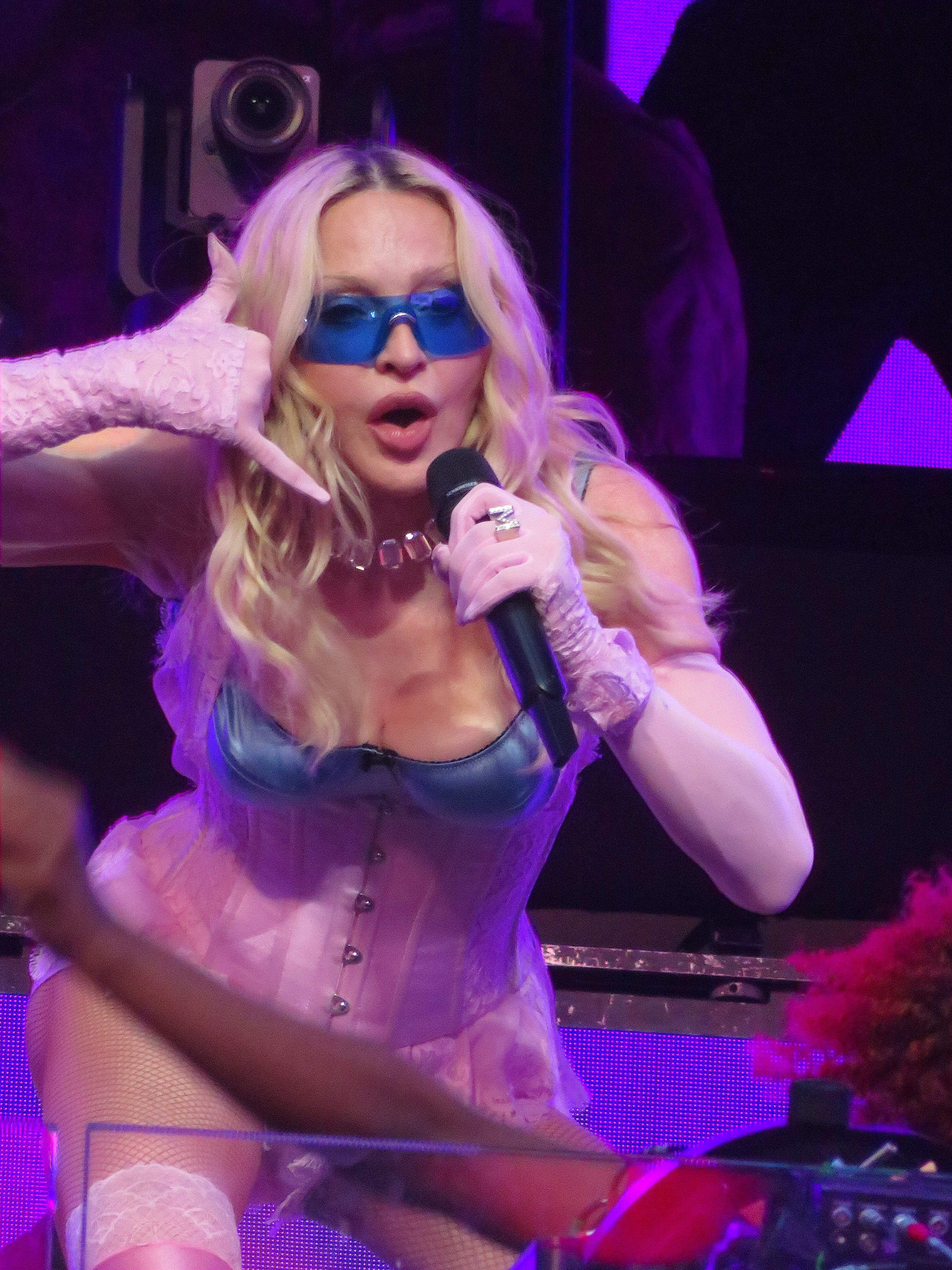
Even when the failure of her most recent studio album, 2019’s dark, sometimes defensive, always ballsy Madame X, necessitated a course correction, Madonna recalibrated not with a typical hits tour, but with Celebration, a live show during which she allowed herself the luxury of relishing her past while scrutinizing it. Yes, she served up the hits, but a reunion with her Confessions on a Dance Floor co-creator Stuart Price also spawned an exhilarating mix of classicism and invention, not even only the re- kind.
Speaking of her artistic longevity, it’s got nothing on her physical stamina. Fending off a nearly fatal bout of sepsis, she missed exactly zero of 81 dates, ending with a record-setting free concert in Rio de Janeiro.
The tour was a consolation prize as her desired biopic at Universal stalled, and she continued a musical Plan B by collaborating with Price on what has become her 15th studio album, Confessions on a Dance Floor: Part II, even as she seemed to hope a film or a later sealed deal for a limited series might pan out.
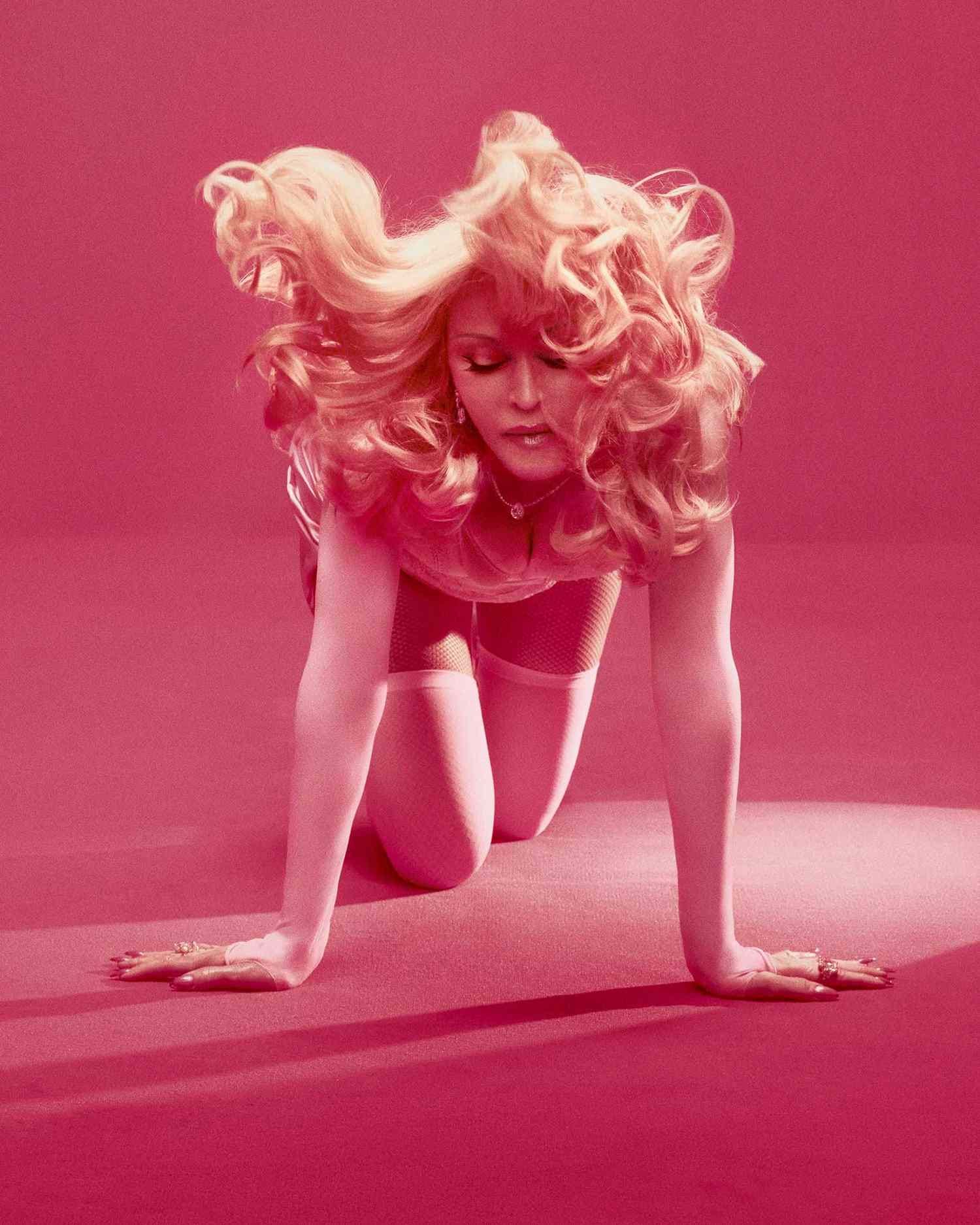
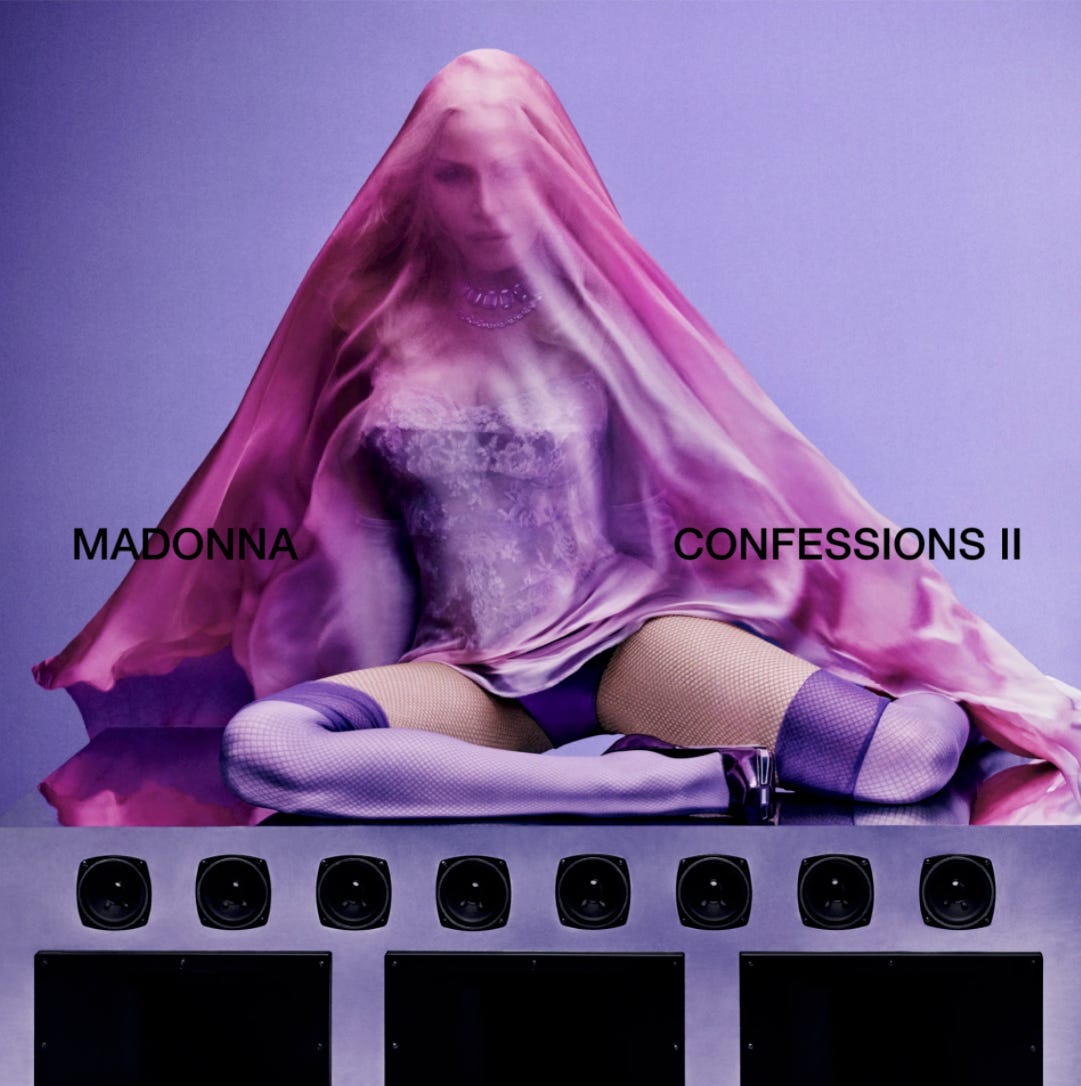
While the title Confessions II felt potentially like a lazy marketing ploy, setting a new record up for failure by explicitly comparing it to a beloved disc from 21 years ago, I believe Madonna’s decision to rekindle her bond with Price and her struggles to tell her own story on-screen generated for this album a creative primordial soup that has led to new life in the Madonna universe.
No Madonna album is bad, but who truly believed one called Confessions II would turn out to be a mélange of sonically adventurous dance beats, seductive hooks and lyrics that pass effortlessly from horny to humorous to nakedly vulnerable, and would emerge, following a commercial rollout by Warner Music that was so good we named it, as one of the best of her career … 44 years out?
As soon as it became clear Madonna intended to call this album Confessions II, we all knew we would be comparing it to the sterling set she released in November 2005, which gave us “Hung Up,” “Get Together” and “Sorry.” Not only does it compare favorably, in retrospect we should have been prepping to compare it to Ray of Light.
This is god-tier Madonna, a transcendent, 16-track musical diary of her life and musical encyclopedia of her career. Madonna would never, ever set out to make a final, legacy-enshrining studio album, but even if she had, she couldn’t have come up with a more satisfying capper.
One of the most exhilarating aspects of Confessions II is the way in which it has a conversation with her catalogue. Madonna has a long history of self-referencing, but unlike when she busted out some “Vogue” in the guts of “Deeper and Deeper” two years after the former had become a no. 1 smash, she self-interpolates here often, but with restraint. Madonna, an artist who has sometimes threatened to leave great things behind in the wake of her relentless urge to move forward, here pauses to not only admire her own good work of the past, but to honor our appreciation of it — thus nodding to the decades-long bond between herself and her fans.
In the early ‘90s, when I first moved to NYC, I was already such a Madonna fan it was usually the first thing anyone thought of about me. I had a friend whose Madonna was Cher. One day, as he attempted to explain his devotion, he blurted out, “I just want the best for her.” It was sweet and also funny, considering Cher was already a lauded singer and Oscar-winning actress.
It’s the kind of goodwill Madonna hasn’t had, with many eager to see her fuck up.
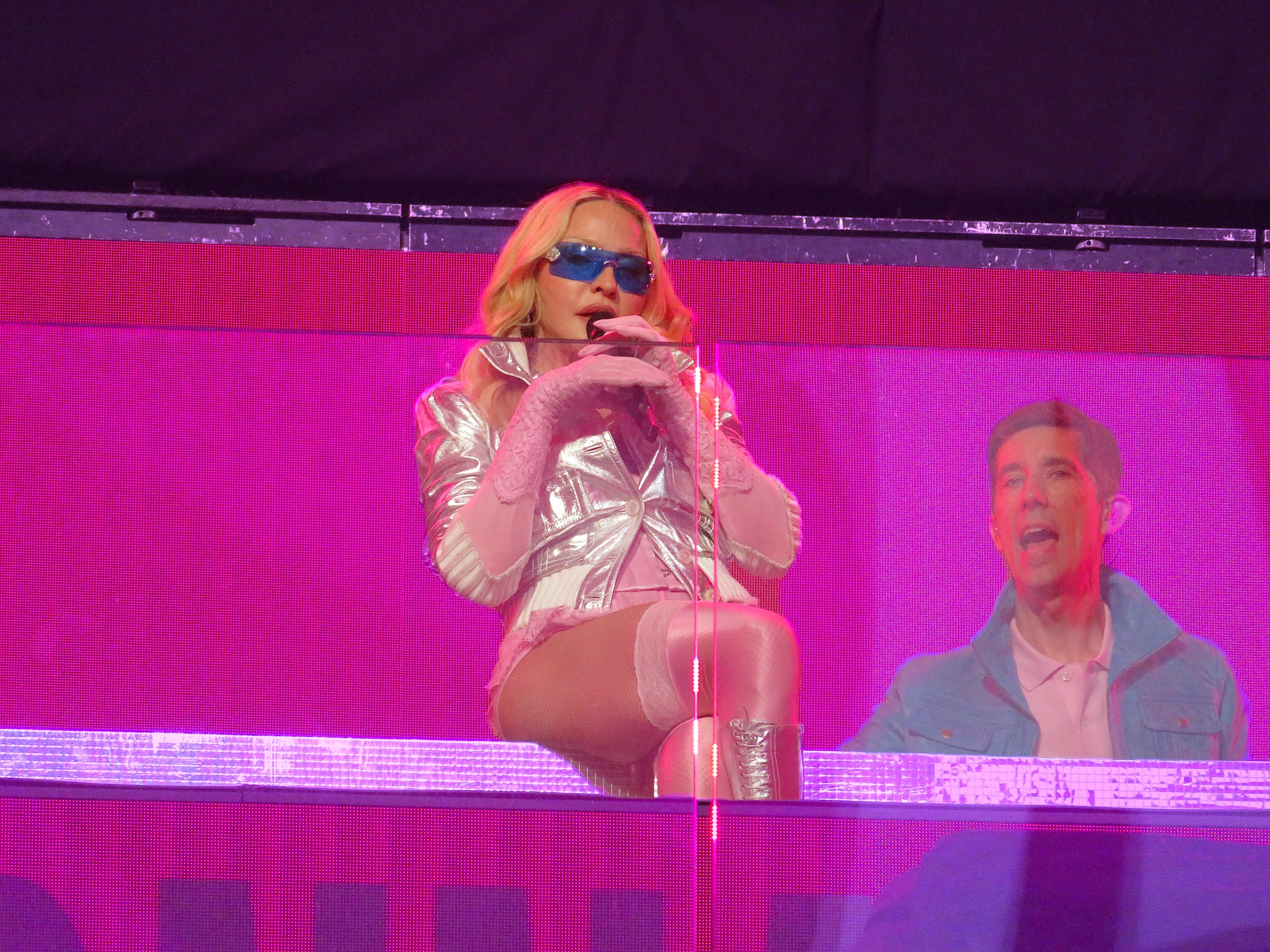
But for Madonna in 2026, there is an unmistakable drumbeat of relief and gratitude from fans and casual fans that with her Confessions II era, she has figured out how to satisfy herself as an artist and how to satisfy her audience. It started with the timed release of songs that suggested a return to form, continued with winning performances at Coachella and in Times Square and was fostered by pop-ins at the Abbey, at the Paris Fashion week Saint Laurent show and at her London album-release bash on July 3.
Though there is a daily argument when it comes to seeing Madonna as a visual artist whose physicality is a part of the equation vs. a push from some quarters not to quantify changes in her appearance at all, it has to be said that Madonna even looks better and more like herself as this era flowers. Everything is coming together, and most of the public sentiment reflects a desire to see her continue to do well.
We want the best for her, and she isn’t squandering that.
But this building tide of cheerleading would have evaporated had release day brought us an album on par with MDNA rather than one on par with Like a Prayer. She delivered the goods with dizzying aplomb. Madonna fans are so used to commiserating about how underappreciated she is as an artist, it’s going to take some adjusting when this thing sells and attracts Grammy nominations and directly inspires all the girlies.
The least all the haters, the ones who enjoy sniffing that Madonna is always chasing relevancy, could do — if they can’t admit she never needed to — is admit that she’s caught it and devoured it and will spend the summer licking her chops.
The album opens in a wash of synth, followed by an electronic heartbeat and Madonna’s famous spoken-word delivery, which she’s employed to memorable effect on “Justify My Love,” “Erotica” and many other songs. Her first words as we arrive to judge her much-ballyhooed comeback: “Thanks for coming.”
By now, her “I Feel So Free” narration, which has a lushness reminiscent of Traci Lords on “Father’s Field” (1995), already feels like it’s been with us since the era it’s saluting. Aided and abetted by a propulsive Lil’ Louis “French Kiss” (1989) beat and a piece of Josh Wink & Lil’ Louis’s “How’s Your Evening So Far? (2000), Madonna adds a characteristic twist — instead of simply leaving it at lyrics like “oh, baby, let’s do it right,” she creates iconic tension by cutting erotic, Donna Summer cooing with an anxious narration tweaking, if not killing, the vibe: “It’s dangerous with just one person / That’s not a nice feeling … Safety in numbers.”
This unself-conscious examination of the physical attraction of dancing in a club reminds me of the time she inserted Socrates into a goofy Dick Tracy-inspired song.
“I Feel So Free” is a total serve of a kickoff to the album, as the first music we heard from it months ago and as an opening salvo in her quest to explain herself in 16 tracks.
Next up, we get a deep diva urging us to let go completely — on a cosmic level — with “Good for the Soul.” She reassures us, as she leads us with her interplanetary, quite extraordinary craft, there is “no need to explain.” This is the song illustrated in her Confessions II short film with scenes of her dancers shooting lasers from their nether regions, suggesting that what’s good for the soul is good for the hole. At any rate, it’s a song of unexamined abandon that is a more impressive “Impressive Instant.”
More ambitiously, “One Step Away” arrives sounding like a manifesto, a world-music house anthem on which we hear her famous singing voice more clearly. This is unmistakably the woman who chirped “Who’s That Girl,” and she sings with so much drive, after taking time to school us on what dance music really is in a way that sets the entire album up as a music lesson that doubles as lessons in living.
“Bring Your Love,” an adorable, sugary duet with Sabrina Carpenter, preceded the album as its official first single. Its pleasures are apparent, even if some older fans have burned calories resisting it. A typical Madonna gauntlet-throwing song in the vein of “Don’t Tell Me” set to a sweeping house track that wouldn’t have been out of place in Berlin, my preferred club from my Chicago days 35+ years ago, “Bring Your Love” is marred by a “Me Against the Music”-esque announcement of who’s singing, but it’s still arguably one of the best of her more conventional collabs.
It’s the use of Inner City’s “Good Life” (1988) that, for me, makes “Bring Your Love” worthy of this album.
Even better in this spot would have been the “Stuart Price Afterhours Mix” of the song. Sadly, it surgically removes Sabrina, but the mix’s urgent “I’ve got somethin’ I wanna talk about” refocuses the song and would have teed up the album’s crown jewel, “Danceteria.”
It’s impossible not to compare the song to “Vogue,” in that it offers a laundry list of names, in this case not Old Hollywood but old Alphabet City. But the song it most reminds me of is a much more frantic “West End Girls.” Madonna’s rap delivery has an Andy Warhol’s Diaries deadpan quality reminiscent of Neil Tennant’s on that classic ‘80s hit, albeit one that is TNTed when she funkily busts out the chorus, which features a vocal unlike any I can remember her using in the past.
It is also, of course, a “Rapture” hat tip, thanks to kicking off its rap with Fab Five Freddy.
Regardless, it’s such self-history it would have fit perfectly in a biopic. It could very well be she creatively repurposed all her aborted autobiographical work into this song, which not only explains but immortalizes the Danceteria scene that incubated one of music’s most impactful careers. (Some of Confessions I was repurposed from her never-made Hello, Suckers! movie musical.)
On the self-mythology tip, I love how, when giving her late best friend Martin Burgoyne his props, she mentions, “He’s my boy toy,” reminding us that the moniker — which she used as a graffiti tag before it came to embody her “Madonna wannabe” era — was not only a cheeky proclamation of herself as a sex symbol but as a toy-er of boys, romantically but also as a young mutha.
In the same way she highlighted the names of those who died of AIDS during the “Live to Tell” segment of Celebration, many of the people called out in “Danceteria” died from complications of the disease, from Burgoyne to Haoui Montaug to Keith Haring and Ricky Wilson of the B-52s.
Some others named in the song have also passed on, and most have passed on from Madonna’s inner circle, but their impacts were legendary — and now they’re musical fossils, rediscovered and museum-ready. (My kingdom for confirmation of who “a guy named Fred” is — it’s not Fab Five Freddy or Fred Schneider. Fred Zarr???)
One can easily get emotional thinking about how some of the living in the song might feel being honored by Madonna in this way, in particular longtime close friend Debi Mazar, her early stylist Maripol, the dancer Crazy Legs and Like a Virgin producer Nile Rodgers. Haters like to frame Madonna as someone who moves through people, but clearly, these people had a formative effect on her.
Best of all, the song — which escalated in a “Music”-esque way — introduces what will undoubtedly become a forever Madonna quote, one that ingeniously summarizes Danceteria: “Everyone here is a work of art.”
Teaming up with phenomenally popular Latin-music artist Feid leads to a hot collab called “Read My Lips.” It comes off as a pure Madonna song that shares more in common with “La Isla Bonita” than some of her Madame X numbers (like “Bitch I’m Loca,” for example), one with a scorching Spanish-language rap in the middle of it. How can I resist a song filled with Madonna sniping, “Shut your mouth”?
Whomever she’s singing about appears to have a heart that’s not open.
A curveball arrives with “Everything,” one of the album’s trippiest songs. She sounds truly youthful on this one, referencing “Bedtime Story” while conceding, “It’s not okay.” I love the dissonance when she blurts out, “I don’t fuck with it.” It’s also reminiscent of her Music-al statement “Amazing.”
They are far from carbon copies, but I have to compare “Love Sensation” — which I was thrilled to see Madonna perform live for the first time ever in Times Square last month — to “Get Together,” a fan-favorite gem from Confessions I. It isn’t that they are soundalikes, they’re just both so ebullient and uncomplicated.
For a woman so good at projecting steely resolve, to hear her break out some Beach Boys feel-good lyrics about how much she loves the subject of a song (and not necessarily romantically) is a joy. I found myself thinking of all my favorite people when I first heard this song.
Continuing to use the album as a musical manifesto, she launches “Love Without Words” with, “Call it trance / Call it house / Call it love without words.” I like to think the song has a little trans-friendly interpretation, too, with “trance” sounding like “trans” and the message, “You are a sister to me… / You are a brother to me and I didn’t wanna own it / We all learn from what’s outside.” Just a thought, but we could all use a visit to the Club of Love in an age in which democracy is teetering over various stoked hatreds.
This song could camp out on Ray of Light quite easily.
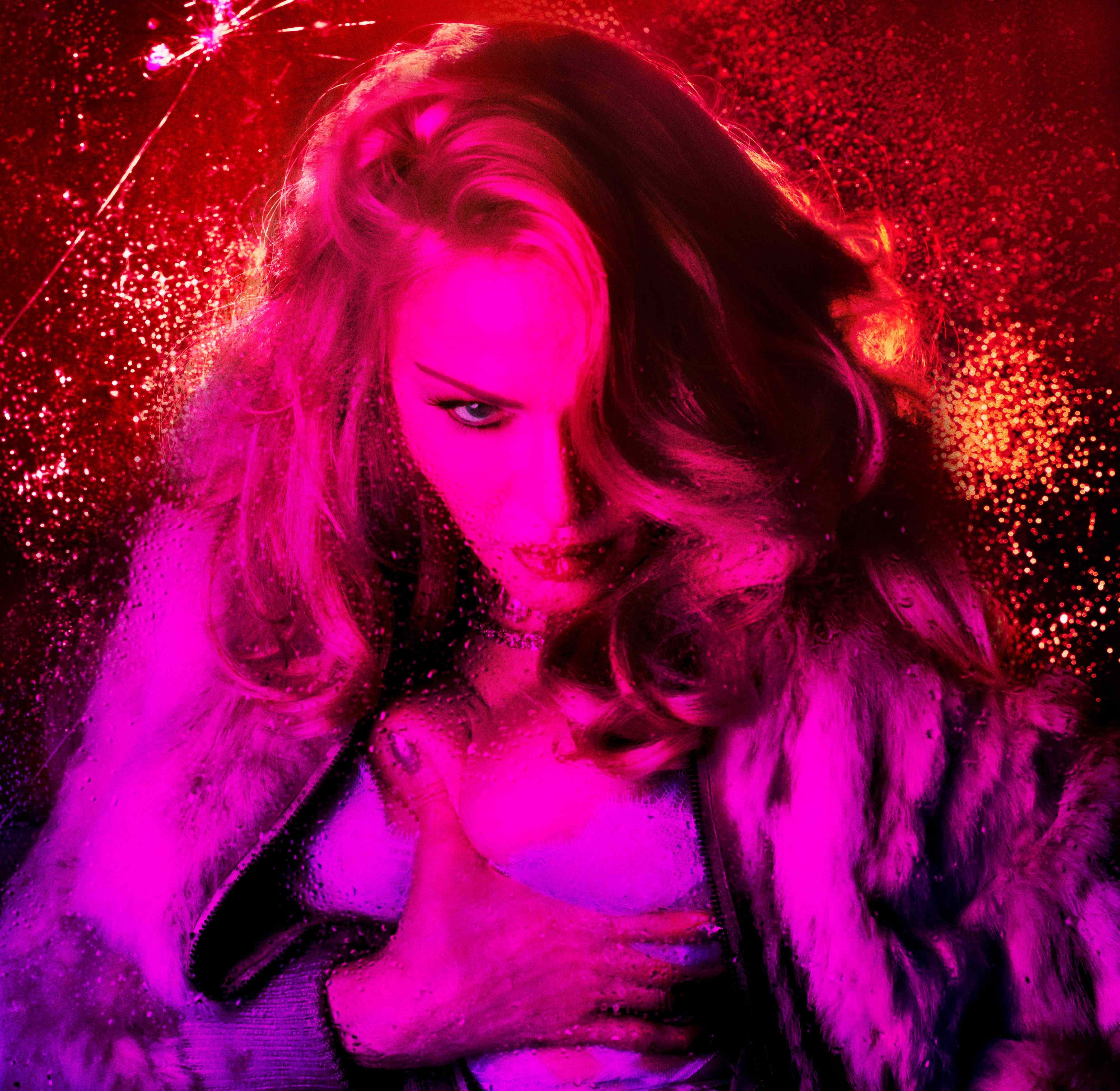
A song I’ve liked since I first heard a snippet but that has grown on me exponentially is her transparent referendum on what didn’t work between herself and Sean Penn — “Bizarre.” A sweeping techno anthem with Martin Garrix, it’s a vast improvement on the brittle “Till Death Do Us Part” from Like a Prayer.
I must say, though, I don’t consider this to be a diss song; I think she and Sean Penn are in a great place. It feels more like an admission that fate was impossible to overcome all those years ago.
Another standout follows: “School.” I can’t stand still for this peripatetic musing on the subject of what we can give to and take from each other as we pass through life. It’s so bewitching how Madonna’s voice is distorted, especially on the hook, “School is in session,” but the song really sears itself in my brain when it resuscitates the line “I’d rather be your lover” from an unfairly unforgotten Bedtime Stories song of the same name and also offers us her most Shakespeare-could-never couplet since “Romeo and Juliet / They never felt this way, I bet”: “I could make moves on the dance floor / I could make love on a man’s floor.”
Arguably the most beautiful vocal is on “Fragile,” a song on which Madonna opens up about dealing with the death of her brother Christopher Ciccone, a former confidante who betrayed her by selling a catty tell-all book. It was said they mended fences before his death from cancer in 2024, and Madonna paid for his treatment as she has for so many other gay men who were important to her.
It’s a gorgeous rumination. Singing prettily of their childhood, “We laughed and we cried / We held each other’s hands / We had each other’s eyes and we belonged,” she bravely excuses his shortcomings and, I would argue, acknowledges her own. “This is the part / I hate the most / The words inside my heart,” she sings before reminding herself of his fragility, of the fact he’d “been hurt and let down” and had suffered “a nervous breakdown.”
It’s hard not to interpret the song as being about Madonna herself; she seems to be using her brother as a stand-in and hoping she, too, will find “a higher ground” when it’s all over.
“My Sins Are My Savior” with Stromae, which samples “My Army of Lovers” by Army of Lovers (1990) and is reminiscent of “Sadeness (Part 1)” by Enigma (also 1990), is an impossibly elegant, sophisticated track that has the same gravitas as one of my all-time favorite Madonna deep cuts, “Paradise (Not for Me)” from Music.
I have to say nothing we’ve heard up to this point truly prepares us for “Betrayal.” This number is a velvet-gloved, jazzy Erotica progeny (it immediately sounds like “Waiting” to me) that drags her late stepmother Joan. Their thorny relationship is well-documented, but all I can say is if Madonna was inspired to revisit their friction immediately after Joan died in 2024 and to sing, “You’ll never take my mother’s place,” then … Joan knows what she did! It’s a wow of a bitter track, one that still prioritizes melody.
On the bright side, while she recalls that Joan “betrayed me/enslaved me,” death seems to have offered a chance for all to be washed away so they can dance together forever.
From one spiny relationship to another, “The Test” — a song Madonna wrote and performs with her daughter Lola Leon — is a long-overdue update to Ray of Light’s “Little Star.” That song was a sweet lullaby full of hope, but this song reveals it failed to bless the mother-daughter relationship. With a fascinating economy of words, the most poetic on the record, the women harmonize as they sketch a relationship tested by fame and expectation.
“I trace the line / Of what you have sewn,” Lola sings. “Keep my own design / Make it a landscape / Make it aligned.”
They sound fantastic together as Madonna seems to adjust her delivery to blend with Lola’s rather than the other way around. Having just watched them on the live TikTok Q&A with Bob the Drag Queen, I don’t think “The Test” results are in yet — I couldn’t decide if Madonna seemed more scared of or scared for her prickly baby.
If none of the last few songs has gotten your tears flowing yet, depending on how connected you are to Madonna, “L.E.S. Girl” might do the trick. In a sumptuous and naked vocal that could be called Karen Carpenter-esque. she sings so vulnerably about the young, rebellious girl she was she was new to New York, an Avenue B siren. She’s in love with a guy (based on Norris Burroughs?) in a way that echoes the simplicity of “La Isla Bonita’s” “Where a girl loves a boy / And a boy loves a girl.”
The music sounds like a languid take on “Ray of Light” as she recalls directly felt emotions before the world got complicated.
When she sings, “Everything fades away / Except for you,” it feels to me like Madonna telling us she’s the same person she always was, that her core is still that Michigan transplant arriving in an unfamiliar place, reporting for duty to connect with people and change the world.
“Who’s That Girl” — more like who that girl is.
“L.E.S. Girl” is another in a long line of Madonna songs meant to help define who she is as a girl — as a woman. That this song and “Material Girl” and “Candy Perfume Girl” and “Bad Girl” and “Mer Girl” are all about the same girl is a testimony to how badly she wants to explain “What It Feels Like for a Girl,” and to how many layers there are to Madonna, an artist often reduced to conversations about aging or sex.
One of her most stirring and sweetest closing tracks of all time, it is astonishing how neatly “L.E.S. Girl” wraps up this astonishing record, which is itself a reminder never to count Madonna out.
Madonna leaves everything on the dance floor this time.⚡️
CURRENT RANKING OF TRACKS:
“Danceteria”
“I Feel So Free”
“Love Sensation”
“One Step Away”
“Bizarre”
“School”
“L.E.S. Girl”
“Good for the Soul”
“Love Without Words
“Fragile”
“Read My Lips”
“The Test”
“My Sins Are My Savior”
“Betrayal”
“Bring Your Love”
“Everything”
Loved this review. You know how much I love her but I am shocked … still shocked that she made one of her greatest albums ever after such a long break. It keeps moving up the ranks with each listen. I can’t get enough of it !
L.E.S. Girl totally caught me by surprise, someone was cutting onions. Reminded me of the best of the American Life album.