September 16, 2026
It’s been 20 years since Boy Culture, the movie, hit the film-fest circuit. The plot of the gay romantic drama, based on my novel of the same name, is caught up in the theme of timing, and so am I — because I can’t quite believe two decades have passed since the thrilling experience of seeing my work adapted into a movie.
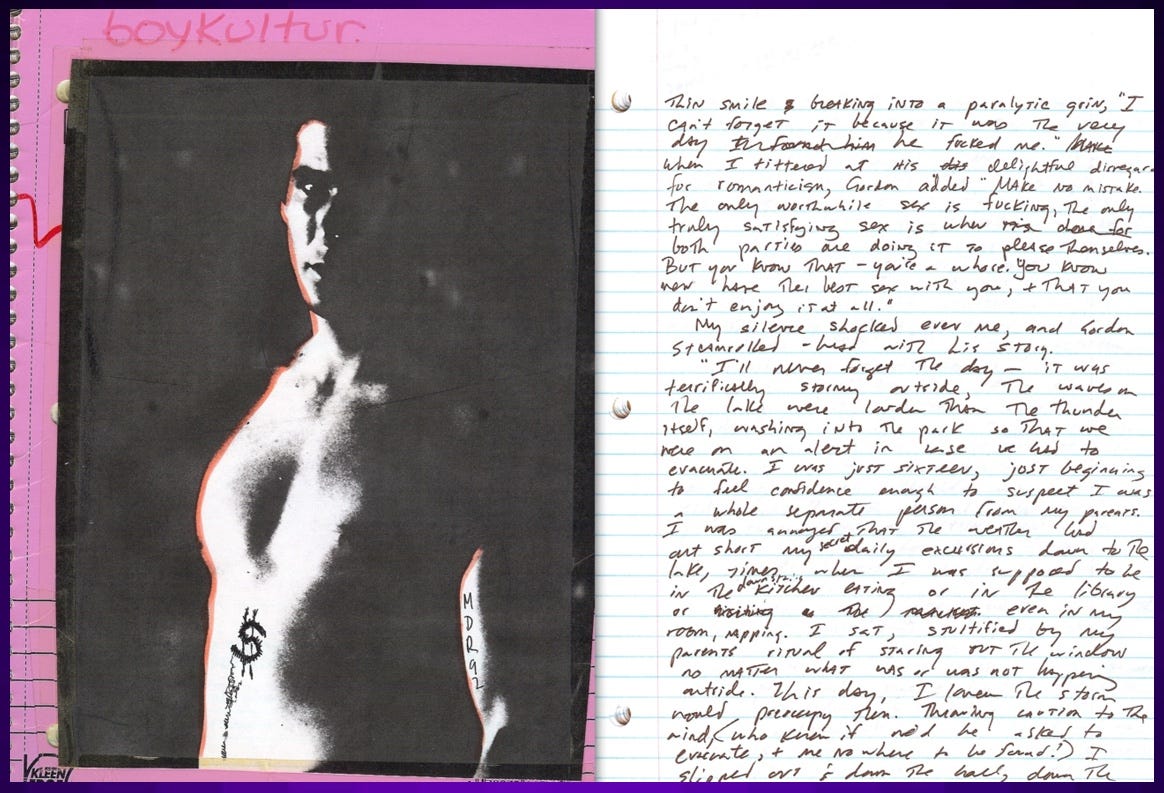
Boy Culture follows X, a snarky sex worker who is laying out his complicated love and love-for-sale lives via a series of dryly rendered, erotic, frequently funny confessions. In spite of his day job, he finds himself incapable of having sex for pleasure, even when he develops a crush on his straight-ish roommate Andrew, all the while fending off the advances of their other roommate, barely legal Joey, a twink X is housing out of whatever goodness remains in his cold, cold heart.
He’s sensitive for an ice queen.
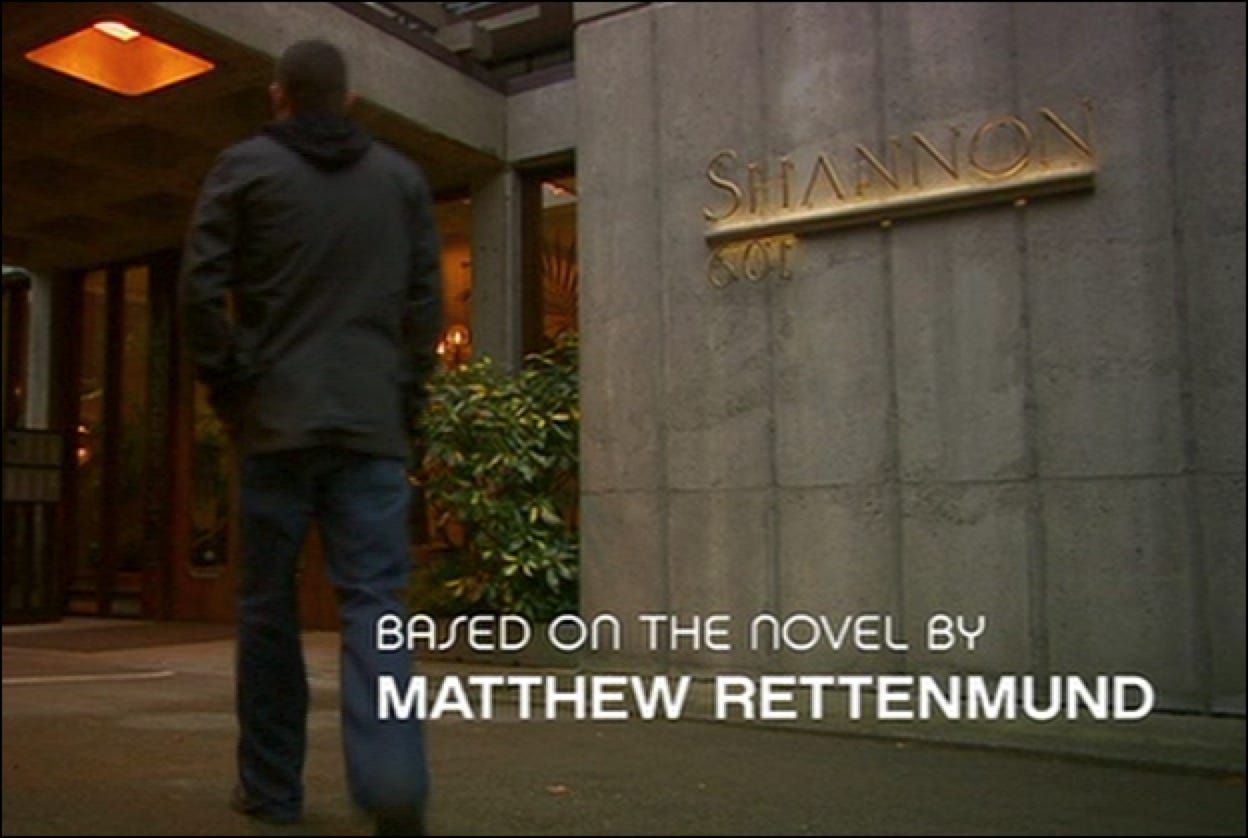
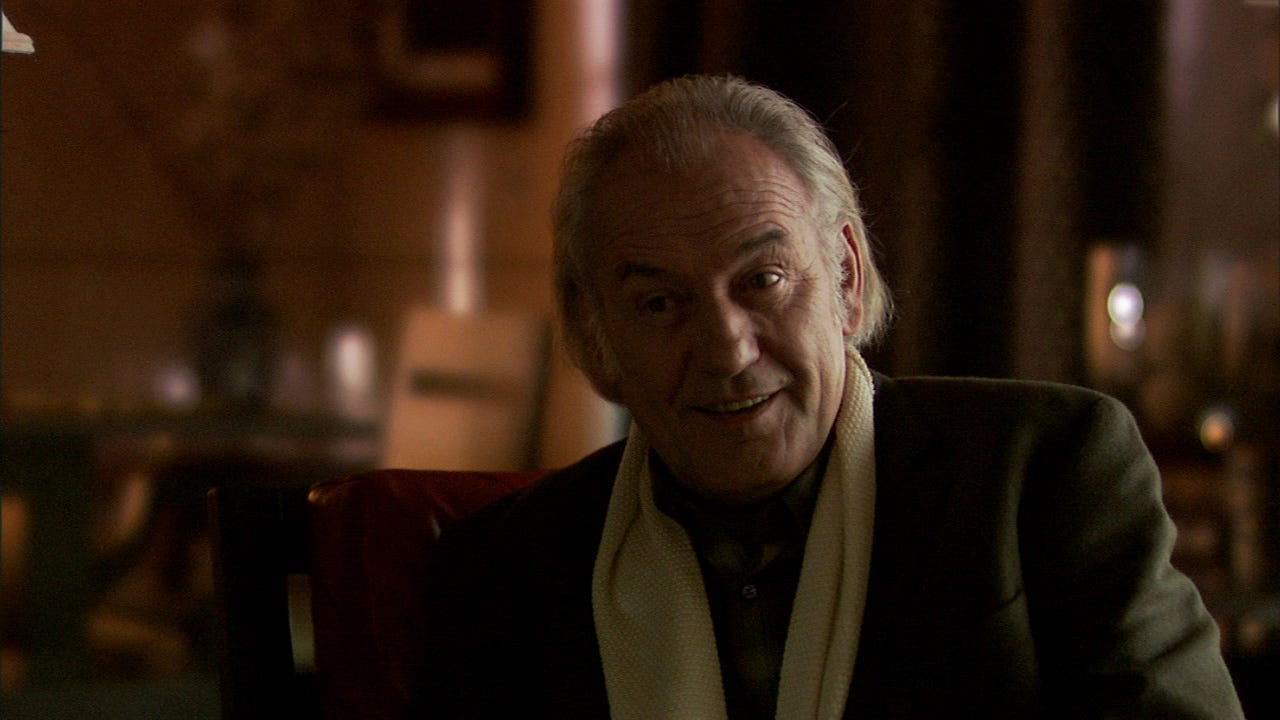
X’s greatest challenge arrives via a 79-year-old client, Gregory, who announces he plans to manipulate him into falling in love, regaling him with stories of queer desire in the ‘30s.
The movie played every major gay film fest after debuting at Tribeca in 2006, then came out via TLA in 2007 back when a gay indie had a shot in hell at proper theatrical distribution. It made $269K worldwide (182nd-highest grossing queer-themed film of all time) and was declared “a slick and absorbing drama” by The New York Times.
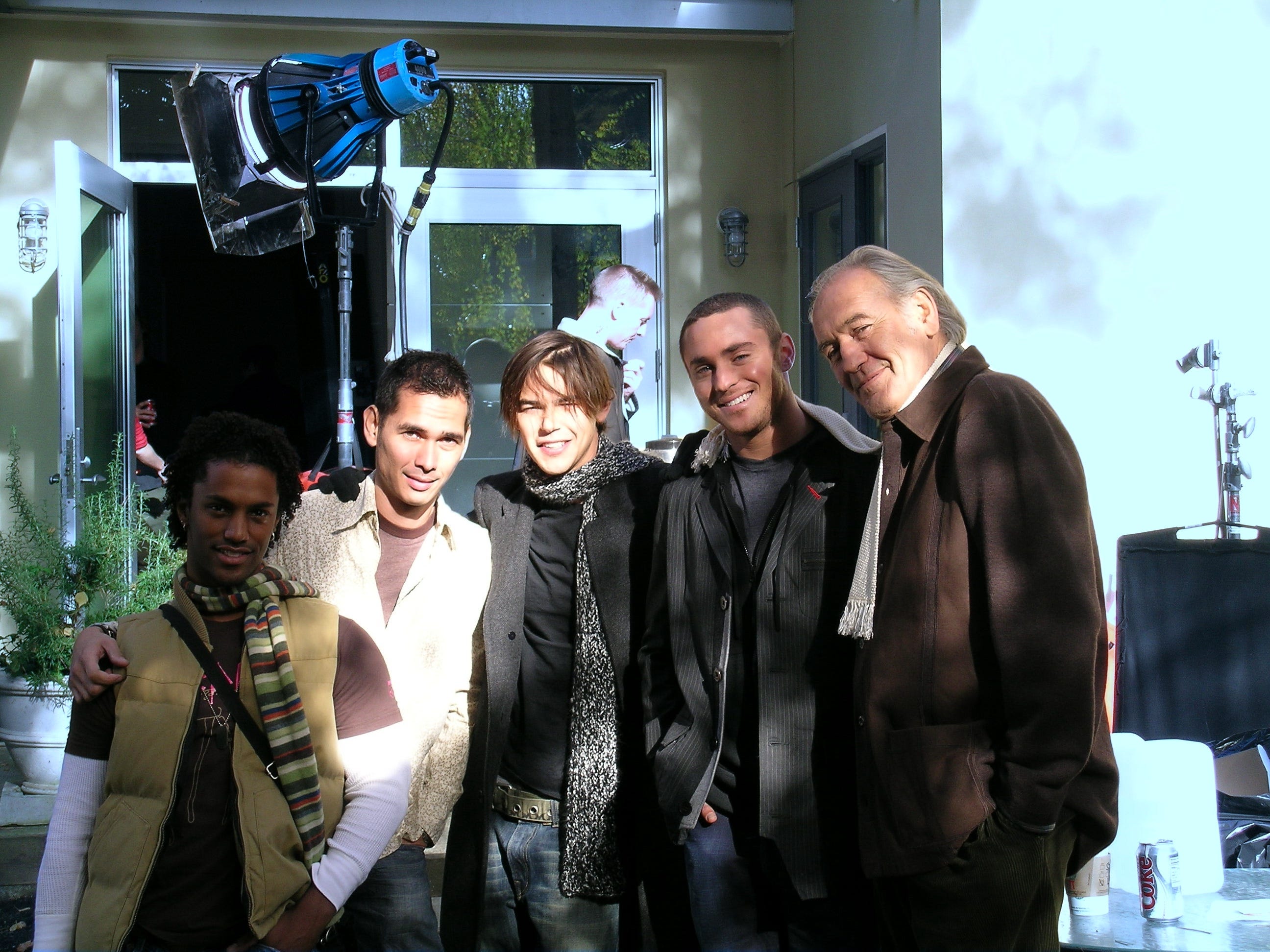
In honor of Boy Culture’s big 2-0, I spoke with its principals — director/writer Q. Allan Brocka; stars Derek Magyar (X), Darryl Stephens (Andrew) and Jonathon Trent (Joey); supporting actor Emily Brooke Hands (Lucy); supporting actor Joël René Scoville (Candace); editor Phillip J. Bartell; the poster’s photographer Brian To; and producers Stephen Israel and Philip Pierce. I also received quotes from retired actor Patrick Bauchau (Gregory).
Combining everyone’s thoughts — including my own— I crafted this juicy oral history of the movie.
I’ll get to work on an anal history next.
Derek and Darryl are still working actors — Derek played Robert Duvall in The Offer (2022) and has expanded into directing, while Darryl was a regular on the Chuck Lorre sitcom B Positive (2020-2022) with Linda Lavin, as well as recreating the titular role in Noah’s Arc: The Movie last year. Both guys are now parents, and both appeared in Boy Culture: Generation X, the film’s series sequel that was shot in 2018 and released in 2023, and which all three of us worked on with Allan, who continues writing and directing.
Jonathon left acting entirely. Now a successful real estate agent, our movie’s twink is both a dad and a daddy. This is his first interview in more than a decade.
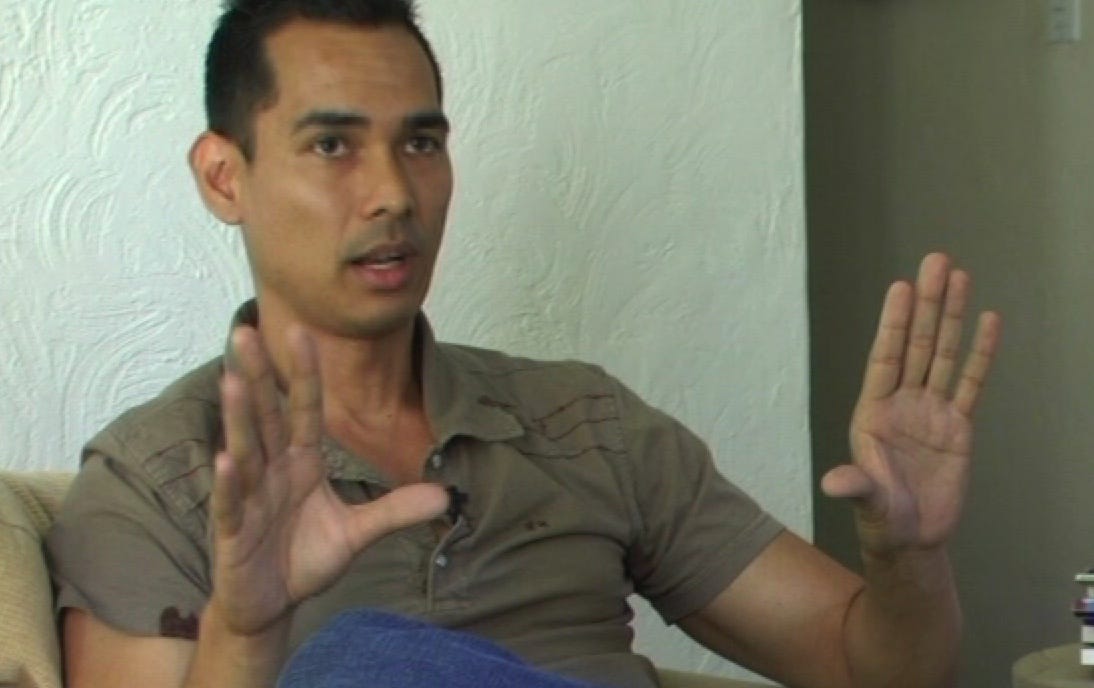
I am providing video podcast episodes of Derek, Darryl (above), Jonathon and Allan — one per week over the next month — and will embed all of them in this piece by month’s end. I cut out a lot, so the podcast episodes are full of different material.
In my humble opinion, Boy Culture is a piece of queer cinema that holds up after two decades, a stylish, witty dressing down of gay tropes that offers an interracial love story, a warm love (lust?) triangle among the members of a chosen family and the best intergenerational sex scene in any gay movie I’ve ever seen.
Forgive me, Father — I’m blowing my own horn, even though all I did was write the source material.
How many hail Marys is that?
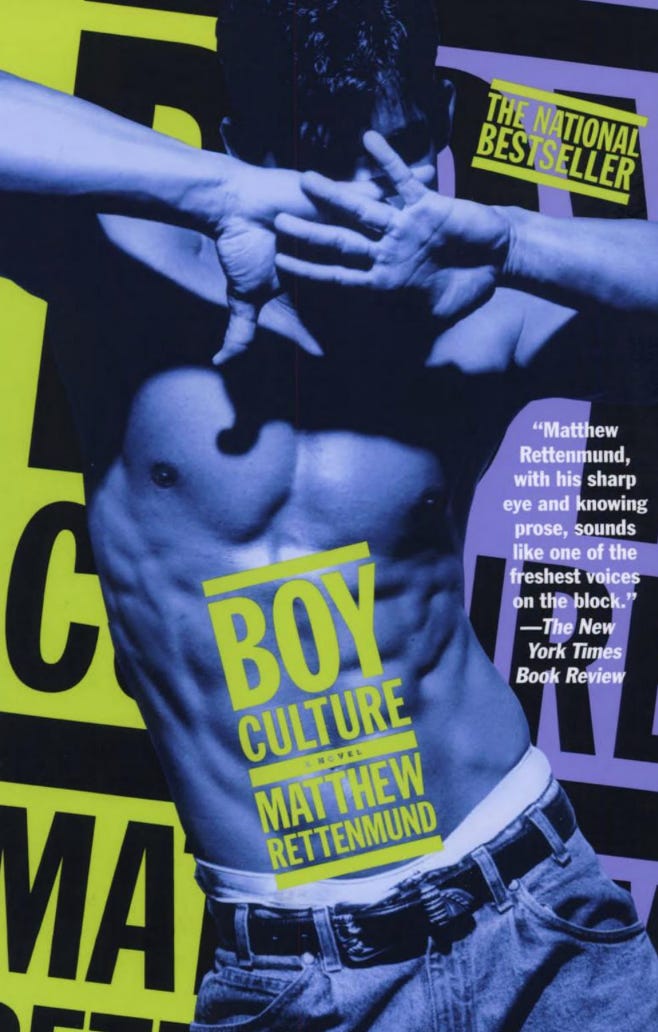
“Why Are Gay Guys Obsessed with Storytelling?” — The Book That Inspired the Movie
PHILIP PIERCE, PRODUCER & WRITER: I read a great review of the book. It was gay and the cover looked great and so I picked it up at a bookstore — that still happened then. And I loved the book, the writing.
MATTHEW RETTENMUND, AUTHOR: The year after my novel Boy Culture was published in 1995, my agent Jane Jordan Browne called to report we had movie interest. She was shocked, making me feel like I should take any offer because nobody optioned gay novels. She sent me on a lunch date with Philip Pierce, who she said was a mental health professional. I thought that was a green flag when it came to understanding what I was doing with the material.
PHILIP PIERCE, PRODUCER & WRITER: I had been knocking around as a writer. I had some scripts optioned and I’d collaborated with a pretty famous screenwriter, Lawrence B. Marcus [The Bigamist, Witness for the Prosecution]. He had been nominated for an Academy Award for The Stunt Man and had 26 movies made and I just thought that ours would be the 27th, which didn’t happen. I was looking for something that I could actually get made, and I thought Boy Culture could be a a reasonably budgeted movie. I particularly liked the core idea about an older man mentoring a younger man.
Almost immediately thereafter, Jane received interest from Victor Simpkins, who had just co-produced the Vince Vaughn hit Swingers. Stephen Israel (Swimming with Sharks) came along soon after.
PHILIP PIERCE, PRODUCER & WRITER: [Jane] told me about Victor and I contacted him and he was still interested in it … and a little annoyed I had optioned it. He came on board … I think, actually, we had heard that Stephen Israel was friends with [potential actor to play Gregory] Ian McKellen.
STEPHEN ISRAEL, PRODUCER: I think I met Allan at Sundance [in 2000,] when he had Rick & Steve: The Happiest Gay Couple in All the World in the festival. We kept on running into each other at Outfest events. I thought Rick & Steve was phenomenal work — everybody did … We talked about working together, but nothing clicked.
Q. ALLAN BROCKA, DIRECTOR & WRITER: I had just finished making the first Eating Out film [2004] and I had my four Rick & Steve Lego short films and two live-action short films doing the film-festival circuit. I remember talking to Philip in line at [the L.A. LGBTQ+ film festival] Outfest, and he said that they were looking for a writer. And I was like, “Well, I’m a writer.”
PHILLIP J. BARTELL, EDITOR: [Allan] thought that he could do something cinematic with the book. We both liked how sex worker-positive it was, which felt very refreshing for that time.
Q. ALLAN BROCKA, DIRECTOR & WRITER: [Philip] gave me the book, I went and read it and loved it and thought, “Wow, this would be great.” I wrote it for someone else to direct … I was working at a film school at the time, at the L.A. Film School at a horrible job recruiting students. I needed to get this draft done, and a friend of mine had a house in Palm Springs. I took a week off work and stayed at his empty house and just wrote.
DEREK MAGYAR, “X”: It starts on the page. And then it’s the direction and the actors and just all of the other elements. But it’s got to be on the page. It’s gotta be there.
Q. ALLAN BROCKA, DIRECTOR & WRITER: There was another director attached at the time. I don’t remember when he fell out and I came on.
STEPHEN ISRAEL, PRODUCER: Allan introduced me to Philip and showed me the script; I’d read the book. I thought, “That’s a project I could sign on to.” My biggest contribution was opening folks’ eyes to the fact that you could make a film like this for a much lower budget. It would have been lovely to have made it for the sort of $1 million, $1.5 million that I think was the original plan. But I would rather make a movie for $500,000 than not make one for $5 million.
About seven years would pass before the film was in the can.
MATTHEW RETTENMUND, AUTHOR: Friends and family would ask me, embarrassed, how it was going. I had all but given up by the time I learned that the work done by Allan was deemed winning, meaning the film was on the verge of being made.
PHILIP PIERCE, PRODUCER & WRITER: When I had optioned the script, there was a renewal clause. Everyone [understood] we were raising money, and at that point we had brought in Allan and Victor Simpkins and Stephen … so I exercised the option, which I think [Matthew] was kind of annoyed at because it’d been years and there was no movie. But it felt like we were close when Allan came in and did a big rewrite.
“It’s Always Different for Every Family” — Q. Allan Brocka’s Journey to ‘Boy Culture’
Q. ALLAN BROCKA, DIRECTOR & WRITER: I got into filmmaking when I was a little kid living in Guam. I was about 11 when I learned what a director was, and that all these movies that I liked, there was this person who made them. That’s when I realized what I wanted to do.
My mom was a saleswoman for Panasonic and got a discount on a VHS recording camera, and I started making movies with that. It wasn’t until I started doing that that I heard about my uncle, Lino Brocka, who was living in the Philippines making films. I didn’t really have any connection to that family. Growing up, every time a Filipino teacher would hear my last name, it would be, “Are you related to Lino Brocka?”
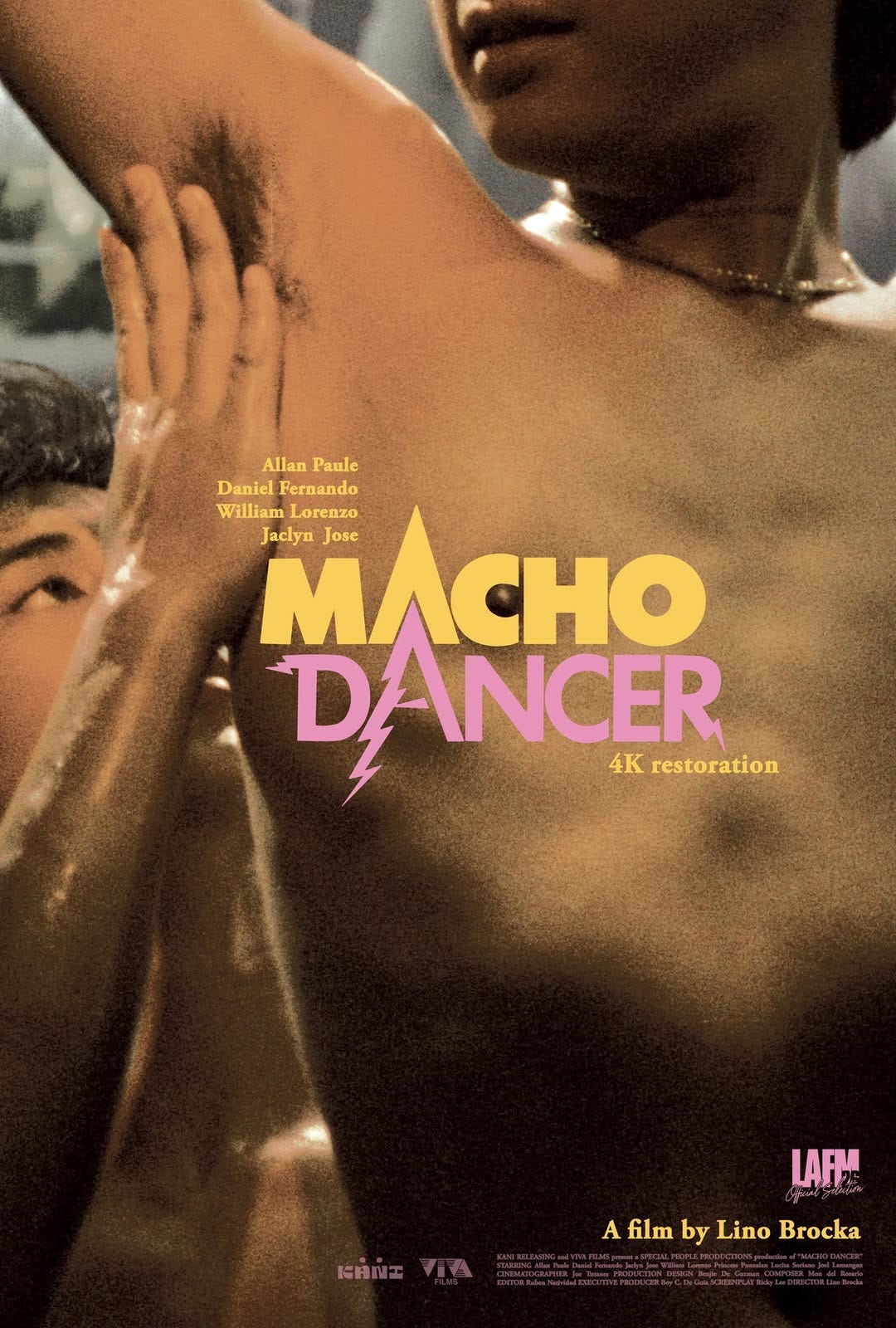
I left home at 16, doing my own thing. At this point I’m in Washington State. It’s not till I get to the University of Washington — I’m out and queer, making these films — where I was like, “I should figure this person out and try to connect.” And right about that time, he died. So, I never got a chance to meet him. That’s also when I discovered that he was actually queer and making queer films as well. It’s wild that I had this iconic person in my lineage who would be the perfect role model for me, but I never had an opportunity to cross paths with him.
Boy Culture was going to be shot in just 18 days in November 2004. On such a tight schedule, Allan’s vision and emotional grasp of the material made him crucial to the film’s success. There would be no Boy Culture without him.
PHILLIP J. BARTELL, EDITOR: Allan’s film Eating Out was the first feature-length film I ever edited.
Q. ALLAN BROCKA, DIRECTOR & WRITER: Boy Culture was closer to what I actually wanted to be making and doing, the kind of unapologetically queer drama that pushes buttons.
PHILLIP J. BARTELL, EDITOR: We had a great time on Eating Out, so when Boy Culture came to be, he asked if I would do it. I read the script and said yes. That was the beginning of my career, but I was able to use a lot of the same criteria I use now: Do I like the script? When I talk about questions I have about the script with the director, do they have answers that I understand? Do I trust the person who’s leading the charge, who’s got the overall vision? … I was down to keep working with Allan.
JONATHON TRENT, “JOEY”: I did a film in Romania and the director, after the table read, he goes, “All right, look — we’re not making Citizen Kane. So, everyone just go out there, be as professional as you can be. Let’s go.” And that was the tone that was set by that director on that project. And I remember chuckling because it was like, “That’s our pep talk?” Different directors are gonna command and control different levels of performance based off of what they’re giving to us.
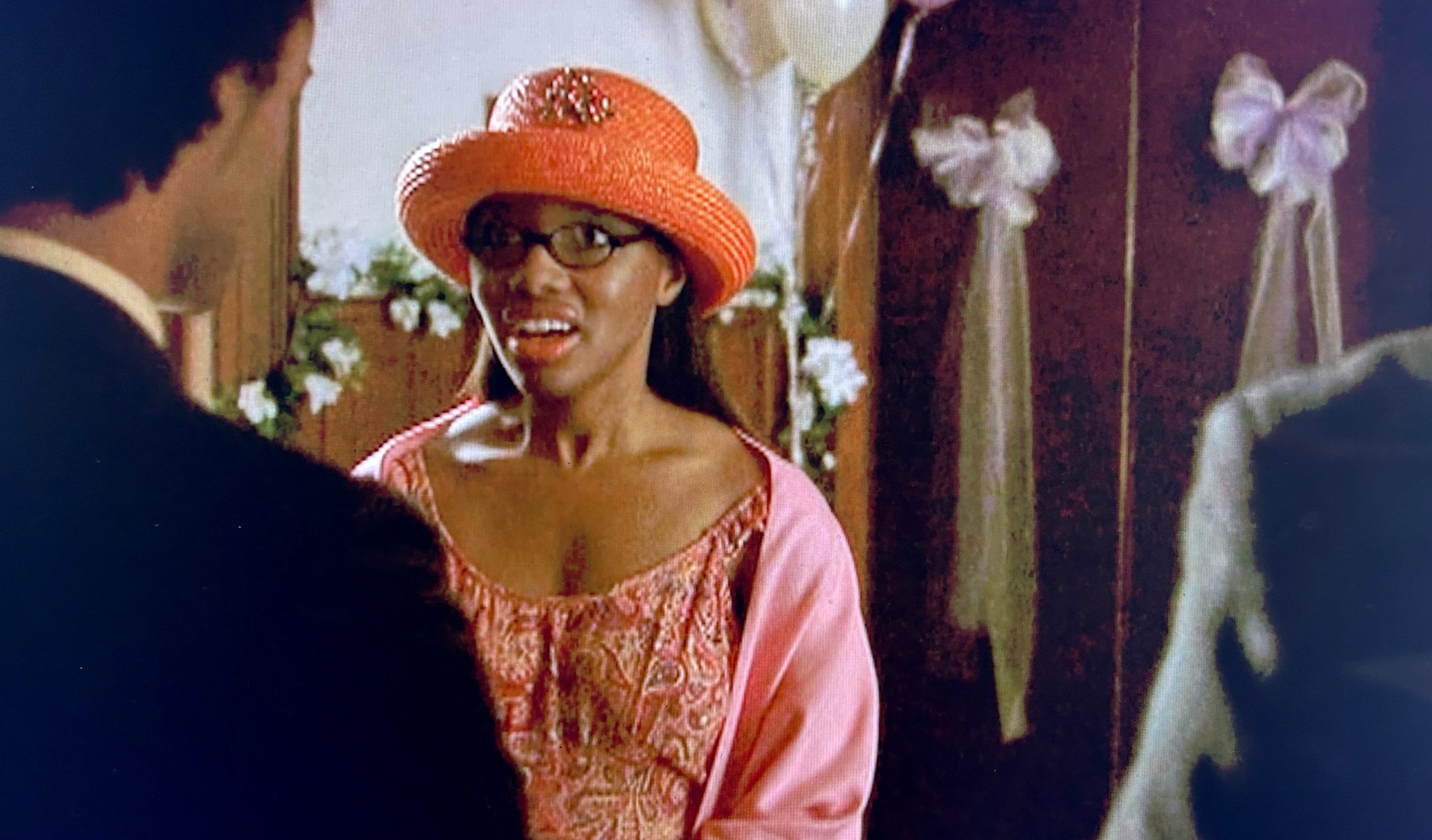
JOËL RENÉ SCOVILLE, “CANDACE”: Boy Culture was my first real indie film. My first day on set, we were shooting the scene in the church where I have my big lines with Derek and Darryl. I was so nervous and was struggling. Q [Allan] pulled me aside into the gym and told me he hired me because during my audition I listened in-between my lines. He said listening is something you can’t teach actors. His kind words and sincere confidence in me gave me the confidence I needed to not only do my job but also enjoy the work and bring Candace to life. I have carried that memory with me throughout my career.
JONATHON TRENT, “JOEY”: I think we all had this tremendous respect for Allan. I remember Allan as being like a dad figure, a father figure that I was always worried about making sure that I wasn’t gonna get in trouble. And I think that helped.
PATRICK BAUCHAU, “GREGORY”: I think [Allan] did a very appropriate job. He had a good hand on the set.
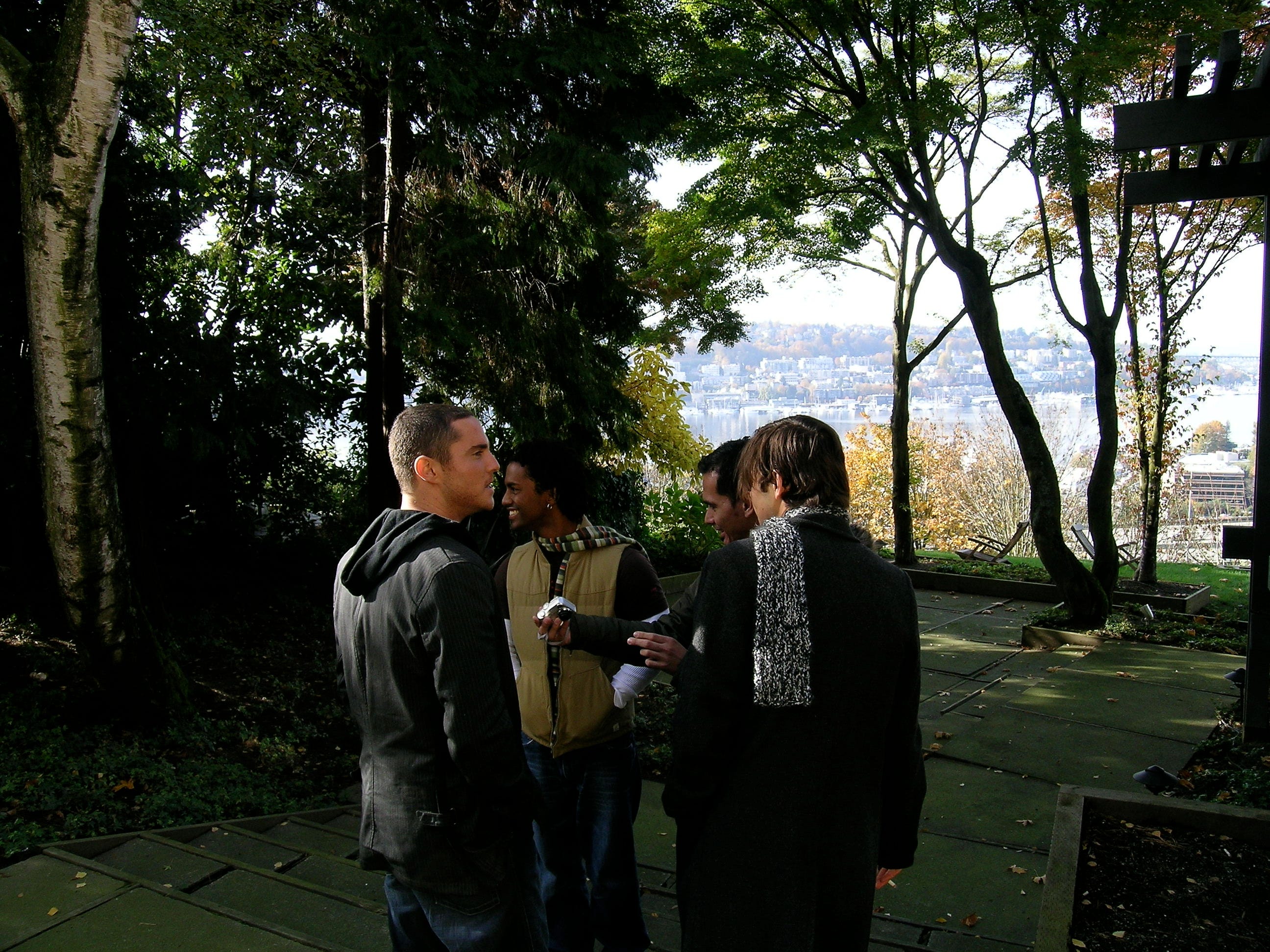
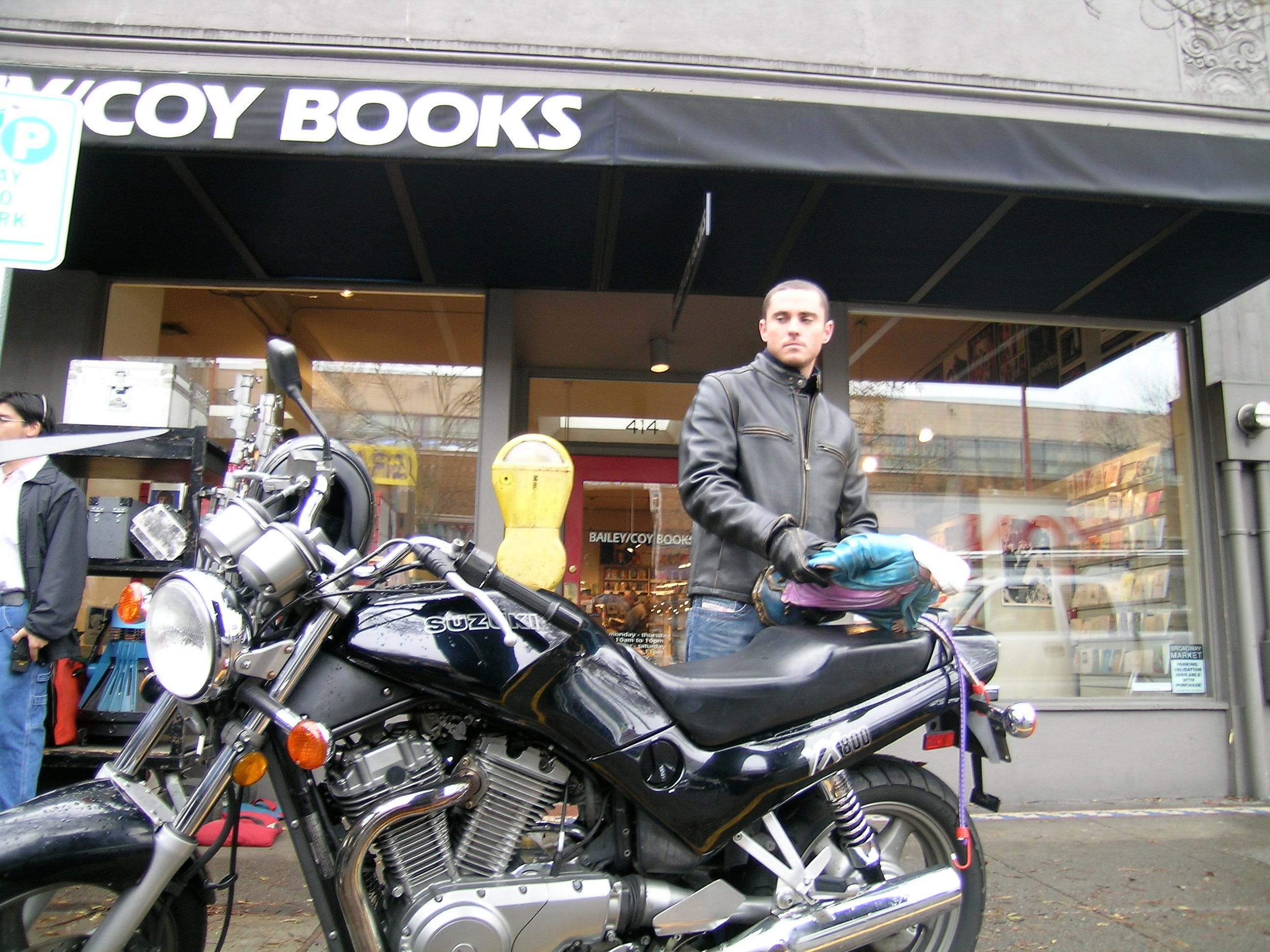
With Allan writing and directing, the film was re-situated from the novel’s original Hyde Park, Chicago, setting to the Capitol Hill area of Seattle, a decision Stephen Israel now identifies as “key” and that gelled with Allan’s own personal history as a UW grad.
STEPHEN ISRAEL, PRODUCER: Walking was an important part of the story. It couldn’t just be a story told in cars. If we put it in L.A., it would lose a lot.
MATTHEW RETTENMUND, AUTHOR: I wondered at the time if the location was cheaper.
PHILIP PIERCE, PRODUCER & WRITER: It wasn’t cheaper. We had travel expenses and hotels and stuff.
STEPHEN ISRAEL, PRODUCER: This was in the days before the big tax credits.
“Call Me ‘X’” — Casting Derek Magyar
Boy Culture had the right director and location — but its perfect cast now had to be assembled very quickly after many years of development. The most important call was assigning the role of X, the story’s user-unfriendly narrator whose voice-over had to be mesmerizing in order to propel the entire story. X had to radiate confidence and vulnerability, heat and frigidity, sex appeal and misanthropy in equal measure.
MATTHEW RETTENMUND, AUTHOR: Once Philip optioned the book, I remember sending him countless ideas for up-and-coming actors to play X. Some were brand-new because I was a teen-mag editor, but wound up becoming very famous. I specifically recall suggesting Asthon Kutcher, Josh Hartnett and Paul Walker.
STEPHEN ISRAEL, PRODUCER: We were hopeful we were gonna get somebody with some kind of name for X. And we went out to a few people I won’t name.
DEREK MAGYAR, “X”: I had been out of CalArts for four or five months and just started working as an actor. I’d done a big episode of JAG, which was a blast. I worked when I was like 12 on Home Alone 2 — I got my SAG card from that. I sang on the soundtrack with a bunch of kids from Crossroads, which is where I went to school. We’re in the big choir scene ... The song in the background is “Star Light, Star Bright.” That’s me and Kate Hudson, Jason Ritter and a bunch of cool people.
And then Boy Culture came around. Innovative (Artists) sent it over to me and talked to me about it, and I was like, “Yeah, absolutely. I want to go in on this.”
I was really intrigued, and I thought the character of X was really fascinating and someone that I could really relate to and connect with. And I just thought it was a well-written screenplay. I didn’t read the book until after I got the part.
I went in and auditioned.
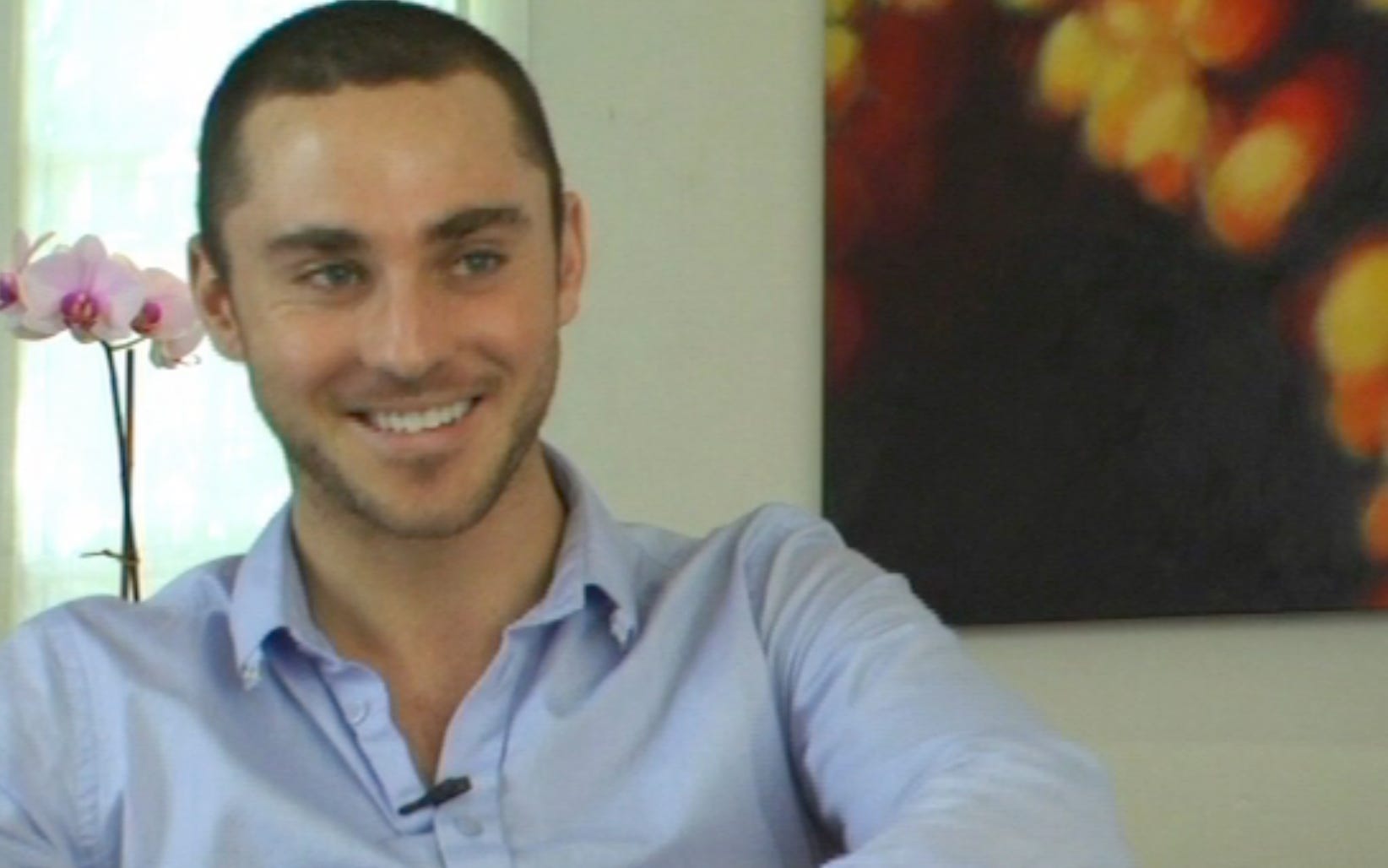
STEPHEN ISRAEL, PRODUCER: Lord, there must’ve been 150, 200 people we brought in for X. And there were a lot our casting director screened for us before we got to the room. Derek was head-and-shoulders [above the rest].
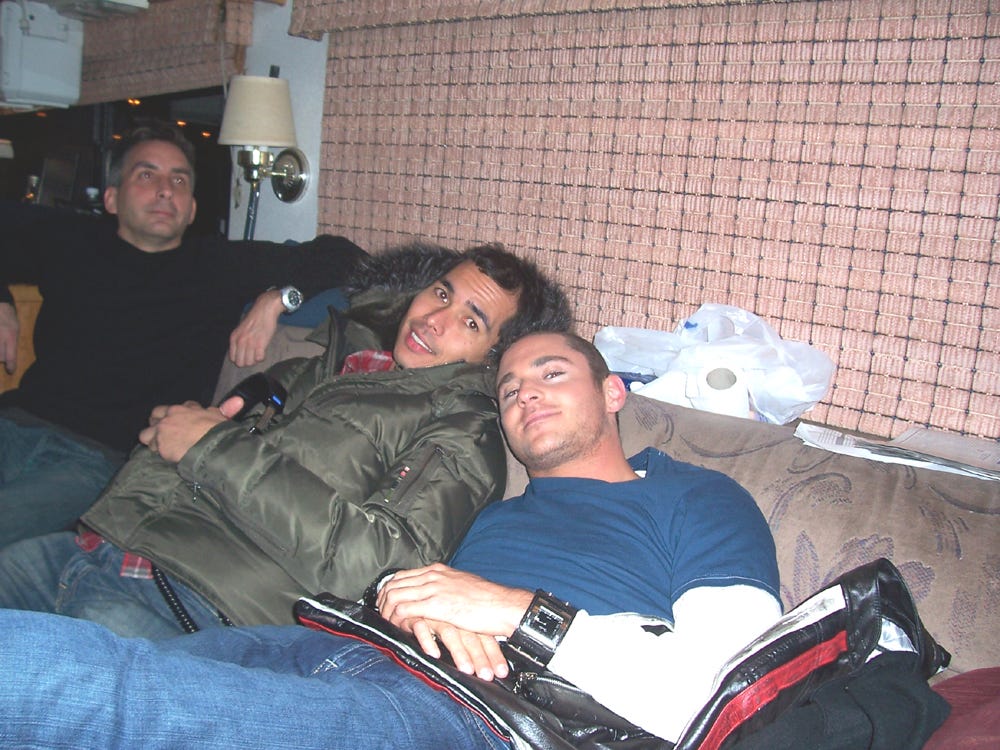
Q. ALLAN BROCKA, DIRECTOR & WRITER: I’m trying to remember what that feeling was. Derek just sounded and felt right.
DEREK MAGYAR, “X”: I felt really good about my audition.
Q. ALLAN BROCKA, DIRECTOR & WRITER: He made the dialogue feel that it was coming from him, that he made it up. Like it was coming from the soul.
DEREK MAGYAR, “X”: I was sort of playing it with this kind of restrained confidence.

Q. ALLAN BROCKA, DIRECTOR & WRITER: Other actors weren’t able to internalize it as well. Many of the people were much more outgoing with the dialogue. Derek’s command is really subtle. Like, he can kinda whisper it. He doesn’t have to raise his voice or anything. Other people were definitely playing it much bigger, or were disconnected from the humanity.
DEREK MAGYAR, “X”: The connection to my vocal quality … that’s why I believe Allan just felt like, “That’s my guy.” … I had callbacks and those went really well and then I got the call saying I got the job.
MATTHEW RETTENMUND, AUTHOR: I always wondered how actors prepare for parts that rely so heavily on voice-over.
DEREK MAGYAR, “X”: You don’t, other than making sure you familiarize yourself with how the voice-over integrates in the script and in the story … That way, you’re always aware when you’re shooting scenes how the VO plays into the scene. [I would] read the scene before we’d shoot it. If there was voice-over, I would usually either read it myself out loud for everybody, or someone else would read it. So, everyone kind of knew what was going on in my head … When it was time to do the voice-over, it would feel very much like a continuation of shooting.
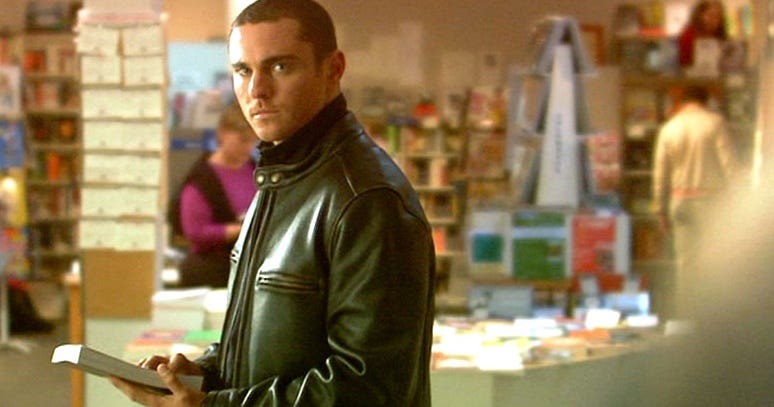
MATTHEW RETTENMUND, AUTHOR: Derek really is perfect as X, and that’s a hard part to cast ‘cause he has to be a dick, but he has to also be likable in the end. When I read aloud the short story on which my novel was based to a writing class at the University of Chicago, it was well-received. But one woman marveled at how brave I’d been to write this, implying that it was autobiographical — and because he is so cavalier, she referred to X as a sociopath!
Q. ALLAN BROCKA, DIRECTOR & WRITER: X is definitely not a psychopath, but he has sociopathic moments, almost. [People auditioning to play X went] too far down that road and were kinda disconnected, and with Derek, it always felt like there was someone who cared deeply. Every bad decision X made, when he read it, it felt like it was coming from pain, from experience, rather than just being a cold psychopath.
DEREK MAGYAR, “X”: I think lot of that has to do with the story, which is thanks to [Matthew], and the script, which is thanks to to [Allan and Philip]. There are these really special moments of levity throughout the film. And I think those moments bring X’s likability way up … The audience is willing to forgive more.
Q. ALLAN BROCKA, DIRECTOR & WRITER: There’s vulnerability under it all. And you can see the … fear under it all. Derek was able to ground it.
JONATHON TRENT, “JOEY”: I was kind of aware who Derek was and … assumed that he would have a hard shell or an exterior or a veneer that was gonna be impenetrable. And so there was a concern, especially with the amount that I had to kind of grab onto him, that he was gonna be cold, that it was gonna be a challenge. And it wasn’t. And that’s what I remember most about Derek is it being a perfect exercise in humanity of never judging a book by its cover. Because the cover that I saw of Derek was so different than what he really was.
DEREK MAGYAR, “X”: There were two versions of X. One was X the escort and one was X at home, right? And there was a lot of dissonance between those two. Like with Jonathon — you know, Blowy Joey. Joey was feeling extra vulnerable in that scene in the bedroom, and [the subtext is] X telling him, “This is not what our relationship is meant to be. I care a lot about you … I want you to be happy, but this is not what you want. Trust me, I know.” Scenes like that helped make X more likable.
JONATHON TRENT, “JOEY”: Joey was such a sweet, innocent person, and I think he represents the idealism that people wanna have in life. His naivete and his lust for life, I think, really comes across and I think hits with people.
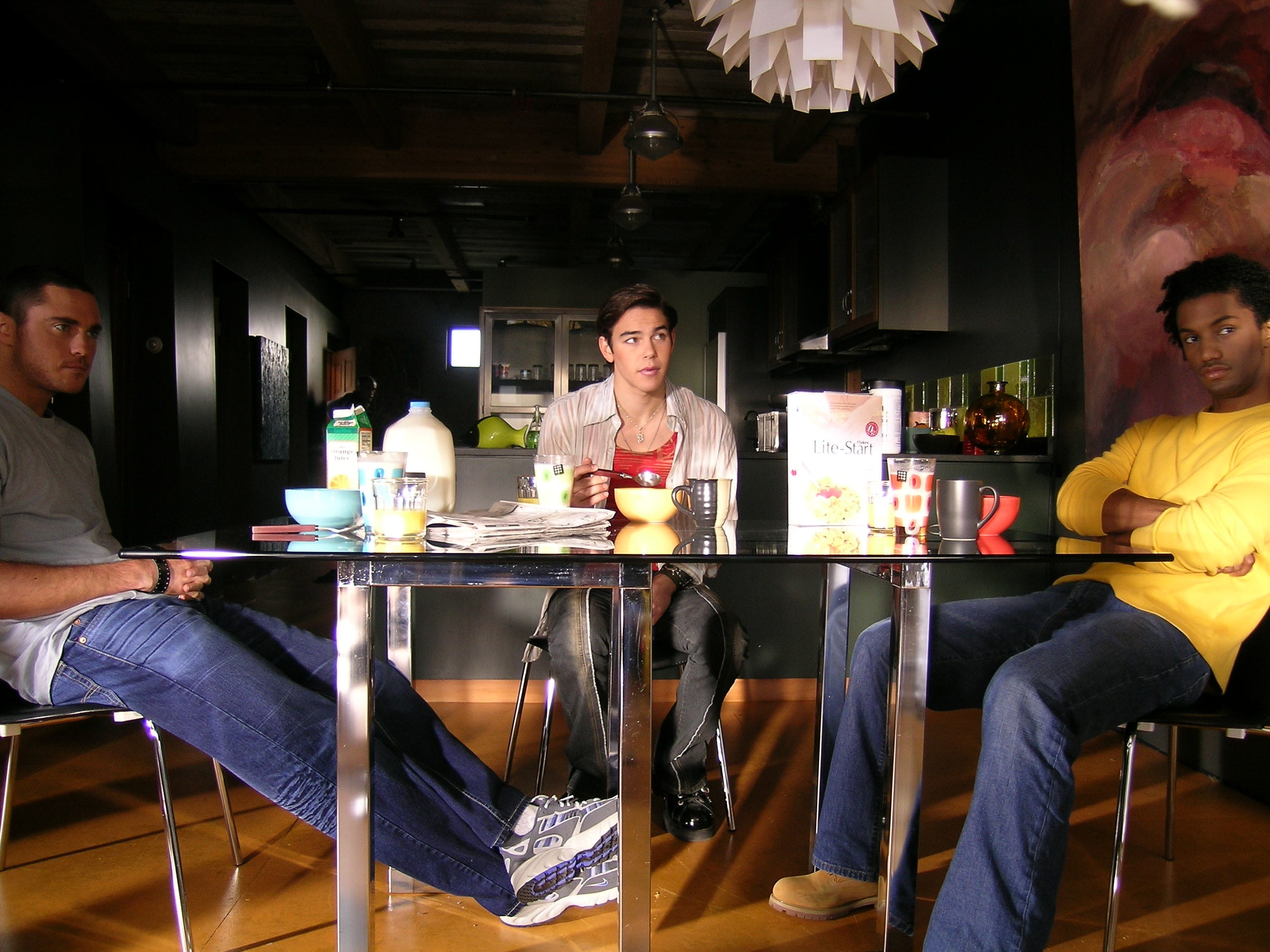
DEREK MAGYAR, “X”: [In some of the home scenes, X] doesn’t know what to say. This is coming from a guy who knows what to say in every circumstance, right? Joey would come into the scene very kind of boisterous and gregarious … and he tries through the film to have a deeper connection with Andrew. This weird nuclear family was really likable … I think X’s arc was really strong. He goes from being very shut off and not wanting to allow feelings to interfere with his life because that makes things complicated for him, to finally letting his guard down and saying, “I love this person and that is the most important thing and I’m not gonna fuck that up again.” I thought that the love story between Andrew and X really was earned … Several times throughout the film, you’re like, “Are they gonna make it? No. Are they gonna make it? No. Are they gonna make it?” When they finally make it, it’s such a cathartic feeling.
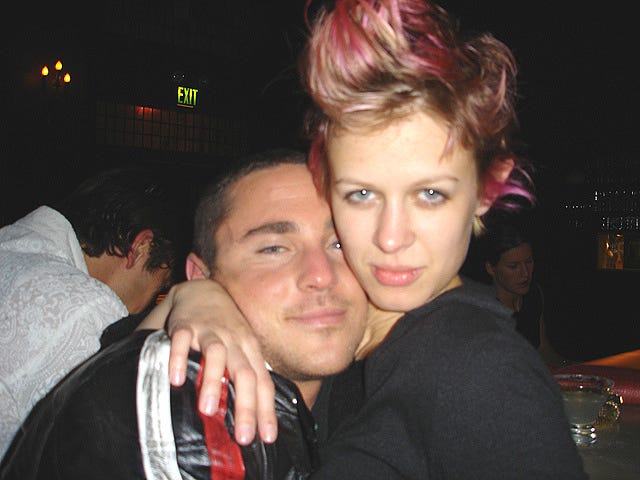
X shares a couple of endearing scenes with Lucy, a pink-haired lesbian server who is living vicariously through him. When we first see her, she slides into frame with a knowing smirk that could only be delivered by Emily Brooke Hands, who plays her. It’s a memorable entrance.
EMILY BROOKE HANDS, “LUCY”: I think, much like a lot of the work that I did with Allan, it was, “Let’s see what you got and then we’ll go from there.” So, I think I think I just did that and it was fine, so we kept it. There was a lot of freedom with physicality in general to do what I wanted to do.
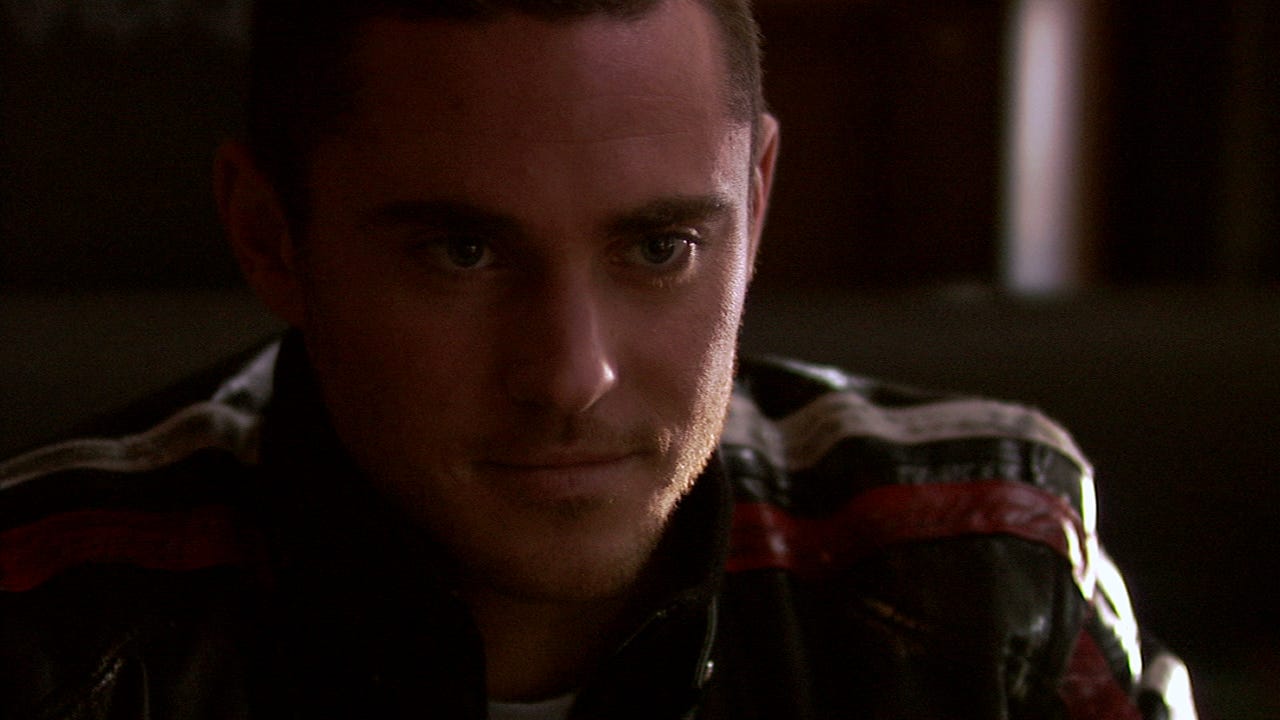
DEREK MAGYAR, “X”: I remember Emily was a sweetheart and she was bringing this playful quality. She was great. I don’t think X ever spoke to her. If he did, he said like 10 words. She would talk and he would listen. But I think he really enjoyed her playful energy, and I think those scenes worked really well.
EMILY BROOKE HANDS, “LUCY”: Derek was very professional, very serious, very Method, which I understood and respected. So, we were playful with the eyes, which was totally appropriate for that relationship, right? Total pro.
“Everybody Needs a Backup Plan” — Casting Patrick Bauchau
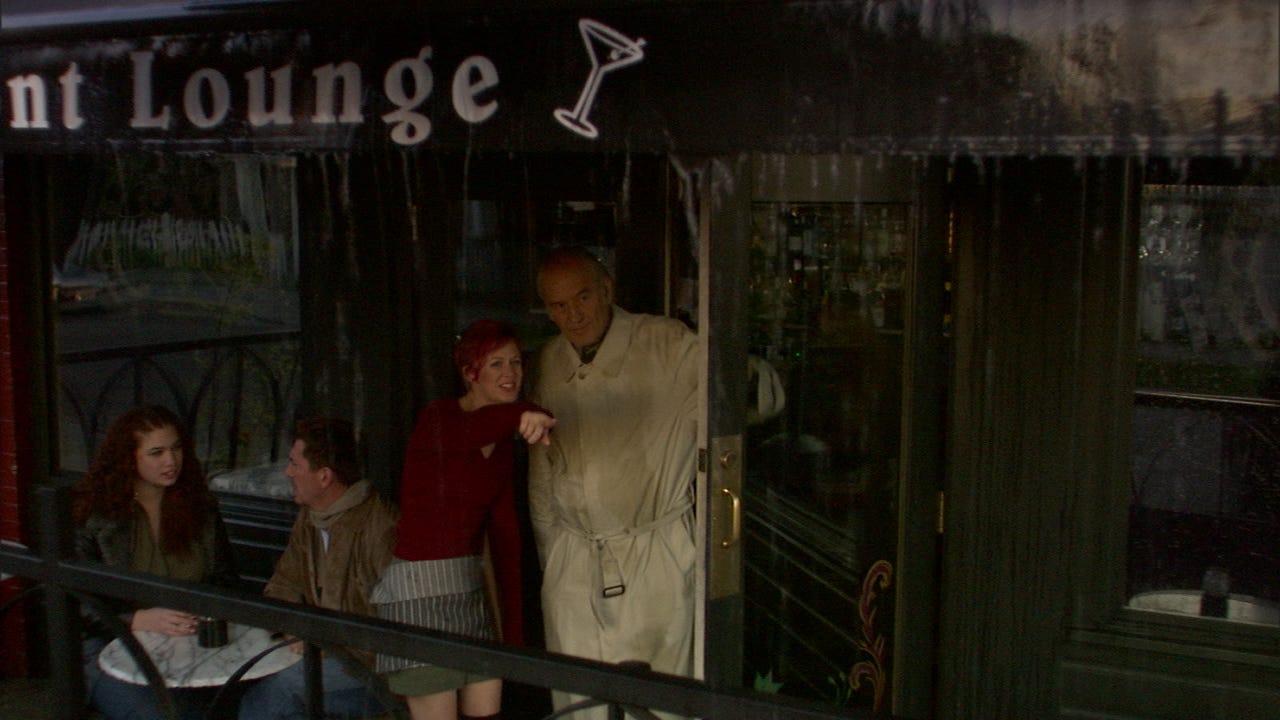
Thanks to Lucy tipping X off, even before we meet X’s roommates, we meet his new client, 79-year-old Gregory. Gregory wants to seduce X rather than just paying him for sex, and so begins an agonizingly balletic mind-fuck. Finding an older actor who could go toe-to-toe with Derek was so tough that Allan nearly ran out of time before screen veteran Patrick Bauchau said yes.
Q. ALLAN BROCKA, DIRECTOR & WRITER: I remember that when we were casting for Gregory, we went to Michael York and it got to the point where I had to write him a letter as to why he would be great for Gregory, but that ended up not working out.
MATTHEW RETTENMUND, AUTHOR: I was sick to hear, way after the fact, that Farley Granger had been considered for the film, but flying him in from his home in NYC was deemed too expensive. I would have paid for it out of my own pocket to have a Hitchcock legend in the movie.
PHILIP PIERCE, PRODUCER & WRITER: Farley was talked about for the role of Renaldo, not Gregory.
I actually was at a party that Ian McKellen was gonna be at. I brought the book and I chatted him up and he was very, very pleasant, very warm and thanked me for the book and said he’d read it on the plane. I didn’t hear back.


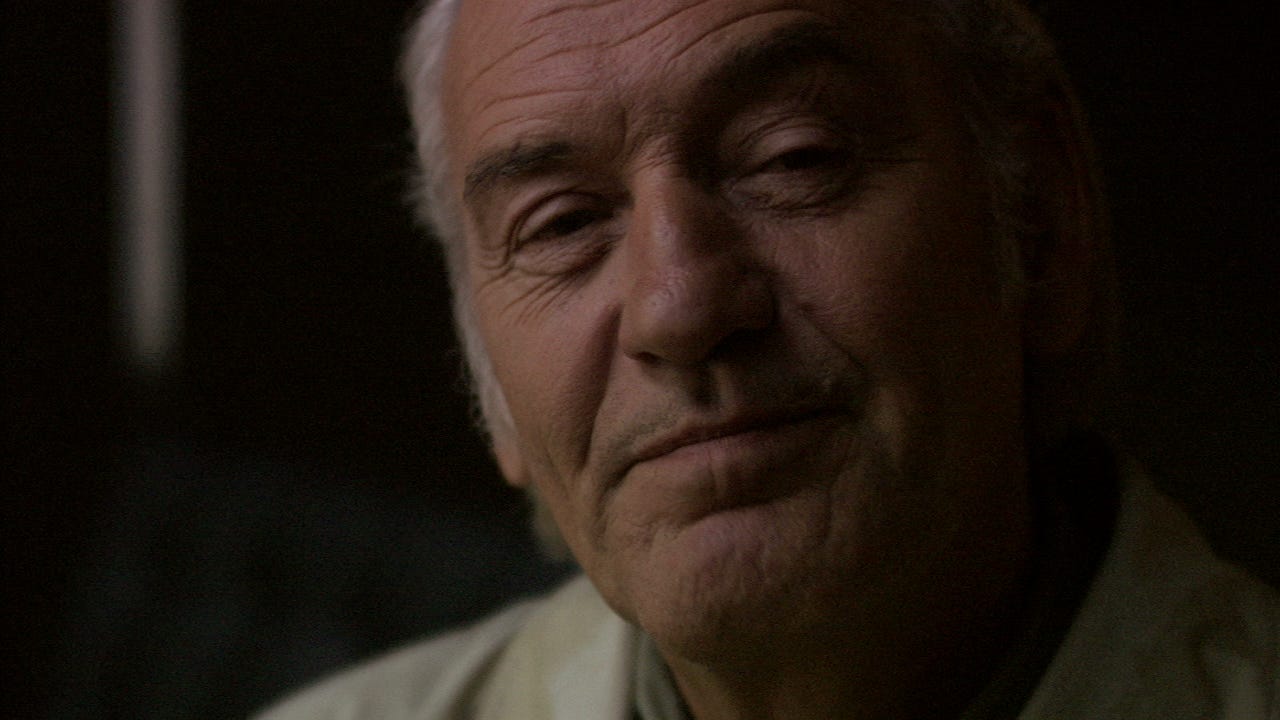
Q. ALLAN BROCKA, DIRECTOR & WRITER: [Patrick] was offered the part. We were going down a list of established actors for this role and he was somebody I didn’t know. He was a suggestion of our casting directors, either Linda Phillips-Palo or Robert McGee. One of them suggested him and showed me reels of his work and I was like, “Absolutely!” It just became a will-he-or-won’t-he-do-it.
PATRICK BAUCHAU, “GREGORY”: I said yes because I liked the producer Stephen Israel, who went out of his way to make things comfortable for us. And I was available.
Q. ALLAN BROCKA, DIRECTOR & WRITER: Patrick was only available for a few days, so we crafted the whole shoot around his availability. And I wasn’t even able to rehearse with him, so I didn’t know what working with him would be like until he landed. He landed and we started shooting.
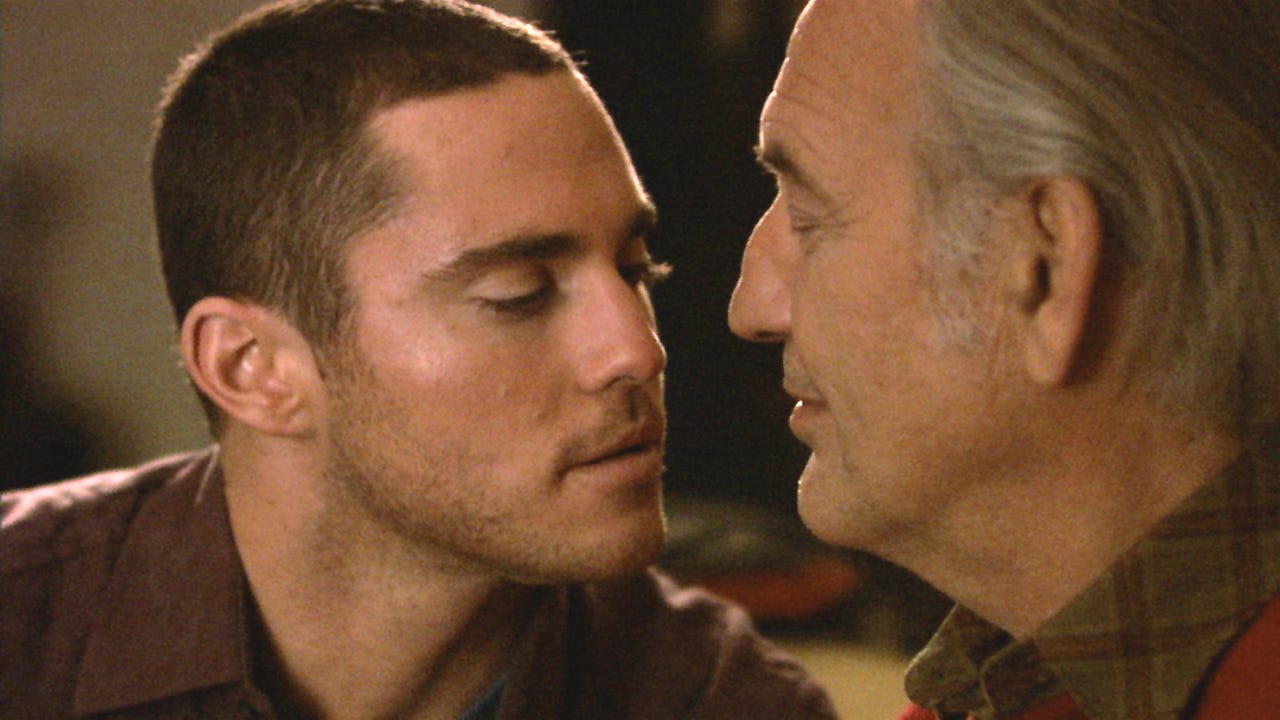
JONATHON TRENT, “JOEY”: He wasn’t fully, fully prepared. They had the camera on him and they were just rolling and he would call out for a line and our script supervisor would feed the line to him, and then he would say it … I remember watching what he was doing and being so intrigued. When you see the film, there’s so much gravitas coming from him. How amazing that someone can just have the juice while doing it on the spot.
DARRYL STEPHENS, “ANDREW”: Patrick was serious. If he was on set, nobody was making jokes. That man came to work — he was not fucking around.
PHILIP PIERCE, PRODUCER & WRITER: Patrick was a grounding force.
DEREK MAGYAR, “X”: I did not feel intimidated, if I’m being honest; I just felt really excited to work with him. He’s somebody whose work I’d seen on and off for years.
JONATHON TRENT, “JOEY”: I was in the room [as Derek and Patrick were about to shoot together] and I’m like, “Well, I’m definitely gonna watch this.” Holy moly, when you see it on film you’re like, “That’s incredible.”
MATTHEW RETTENMUND, AUTHOR: Re-watching the film, I was struck by how Patrick, who is very dry, sort of mirrors Derek’s deadpan delivery, making Gregory and X like echoes of each other.
Q. ALLAN BROCKA, DIRECTOR & WRITER: I felt that, too, and that’s what really helped me buy that X would fall in love with him. ‘Cause that was kind of the challenge: How is X going to fall in love with this guy? They have to have a really deep connection. X has to need him emotionally.
DEREK MAGYAR, “X”: He was a very generous actor … The scenes that we had were pretty intense because I think X was able to open up to him. He was a very open, vulnerable actor.
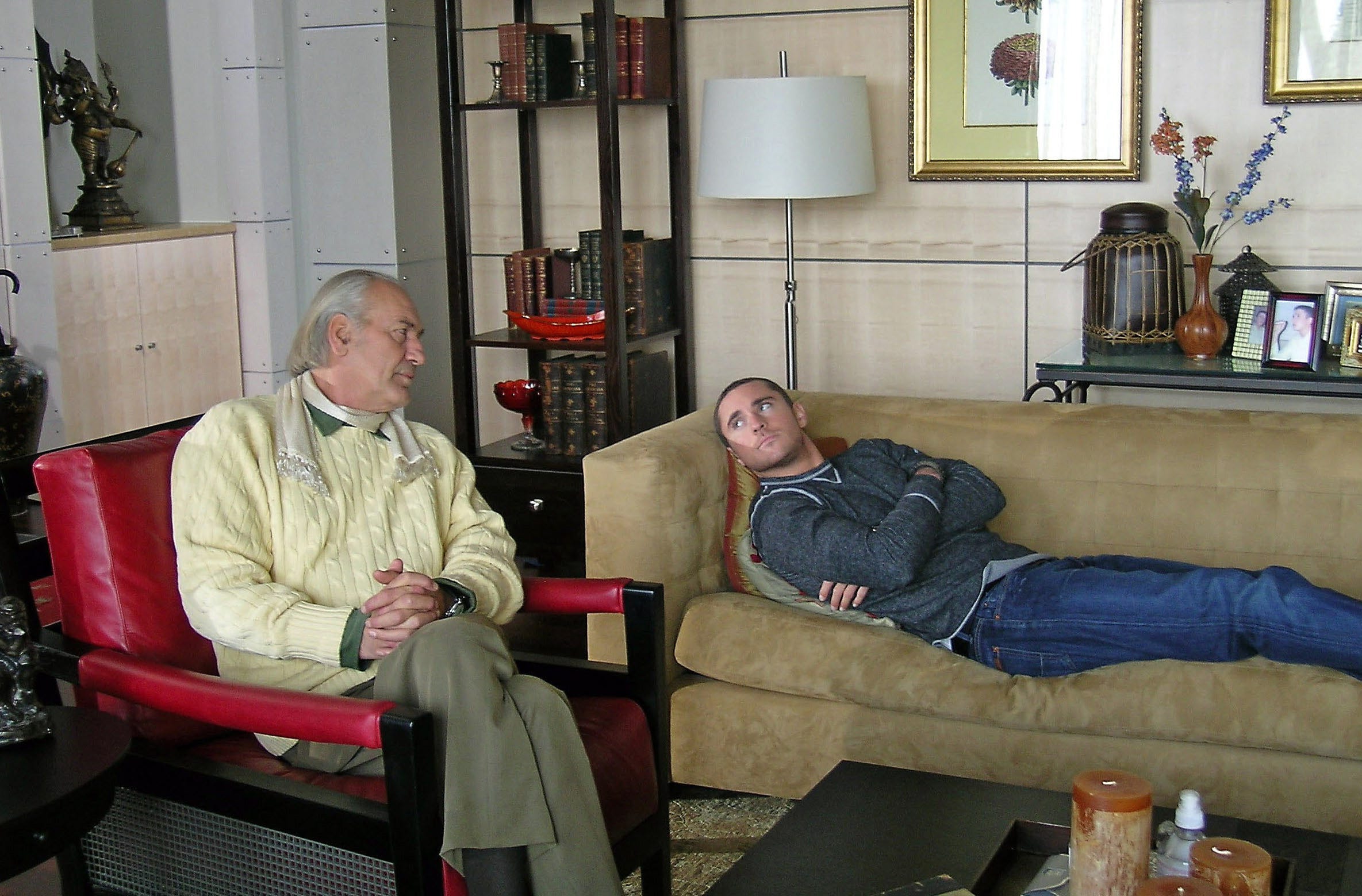
MATTHEW RETTENMUND, AUTHOR: I especially like the scene where, on one of their dates, X is on the couch speaking to Gregory, who’s in a chair. It looks like he’s X’s shrink.
Q. ALLAN BROCKA, DIRECTOR & WRITER: The whole psychiatrist thing came about because it’s something that X didn’t have. He was so guarded with everyone in the world, and here was this one guy who was paying for his time and he didn’t want his body. Not yet, right? What he wanted was a connection. And so X — all of his sex is, as he says, performative, right? He doesn’t even consider it sex … He starts out saying what he thinks this guy wants to hear, but eventually realizes he’s spilling everything and connecting and these are things he needed to say. “I’ve never told anyone and I’ve told this one person and he hasn’t judged me. If anything, he’s just embraced me and he continues to pay me to listen to me and to try to care about me.”
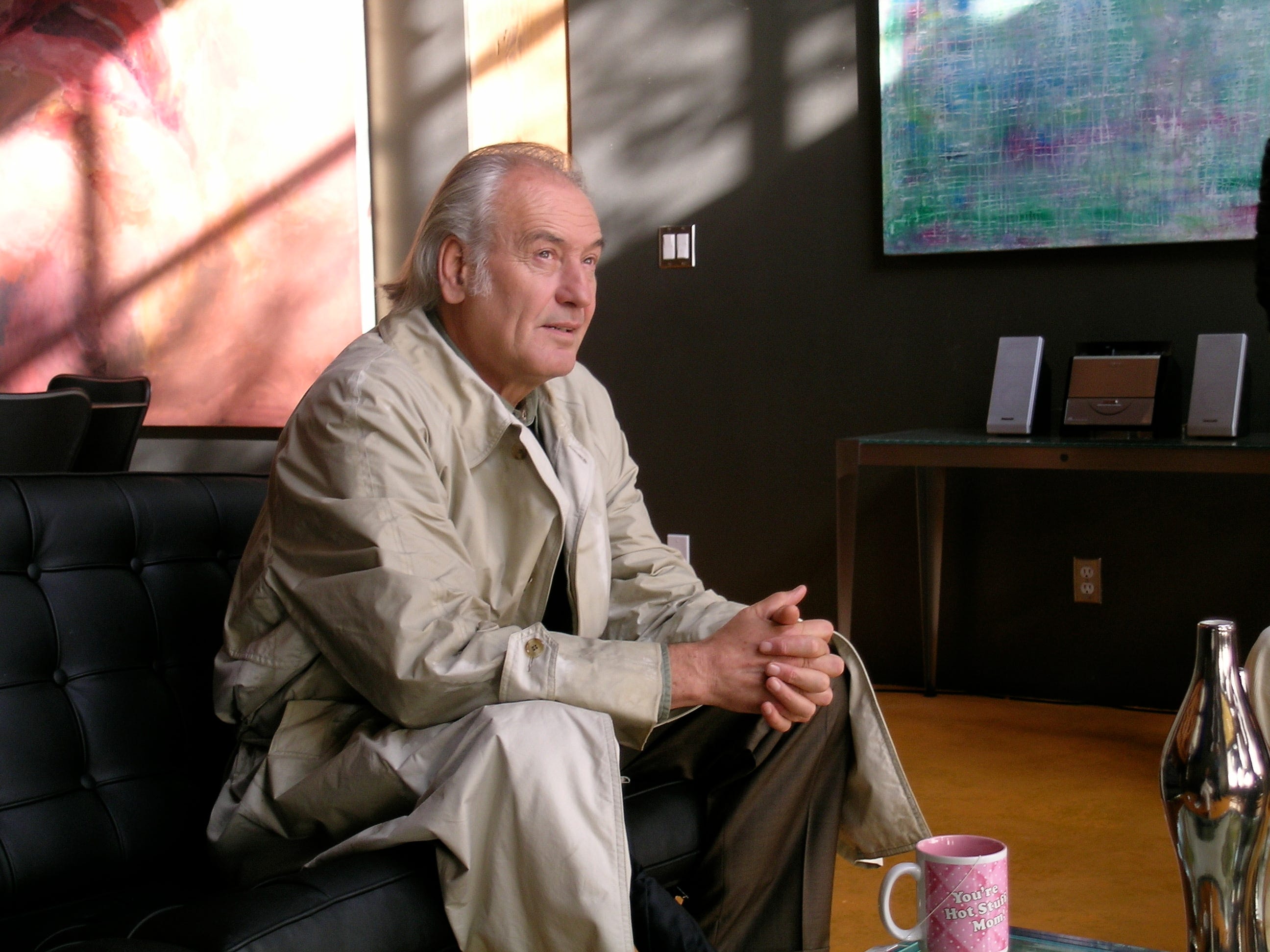
DARRYL STEPHENS, “ANDREW”: I think with Patrick there was a bit of [an unspoken vibe of], “I’ve never done this. I’m doing more in this than I’ve done in other movies. Like, I’m kissing on this young man.” Everybody was a little challenged in this.
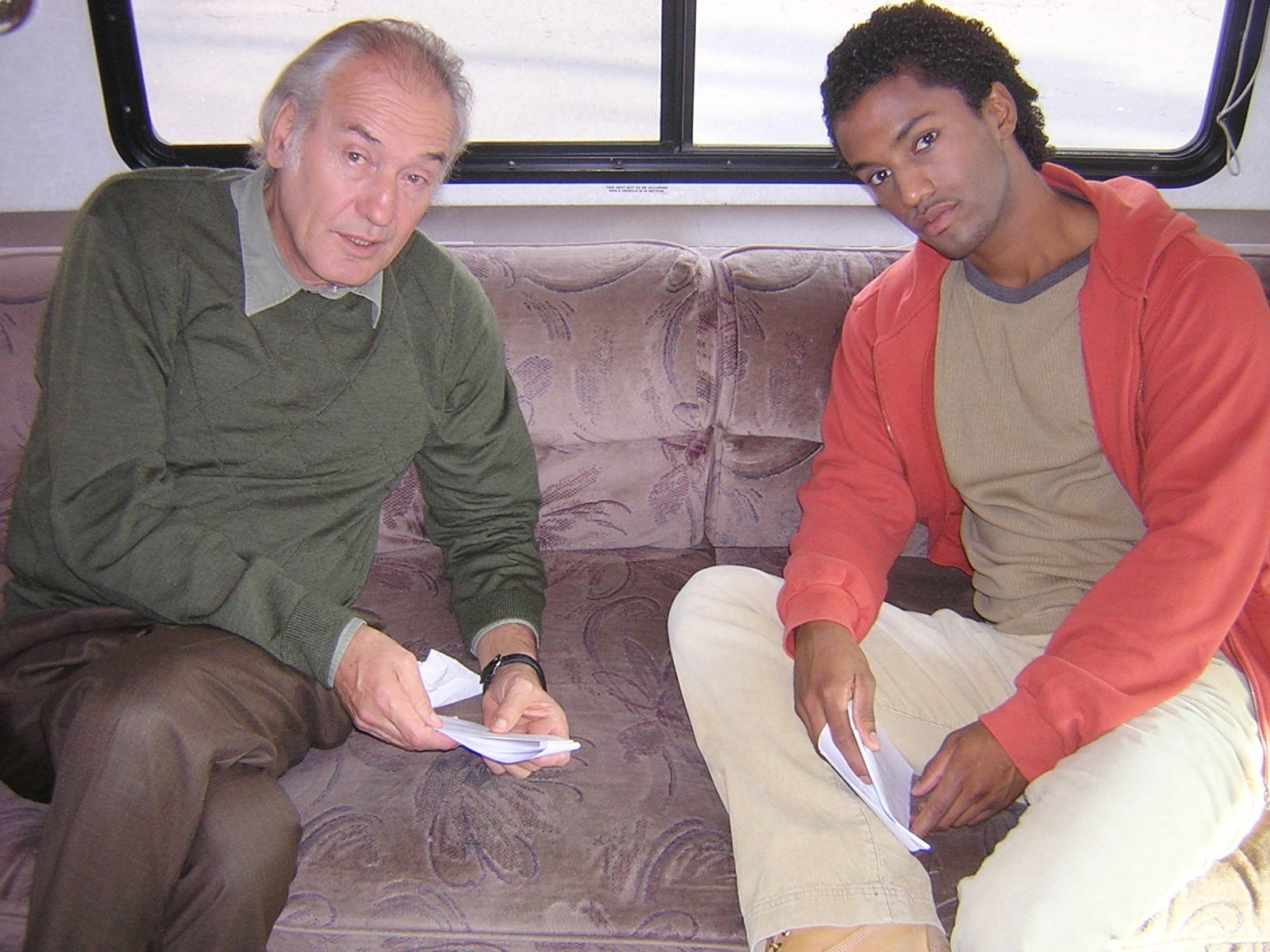
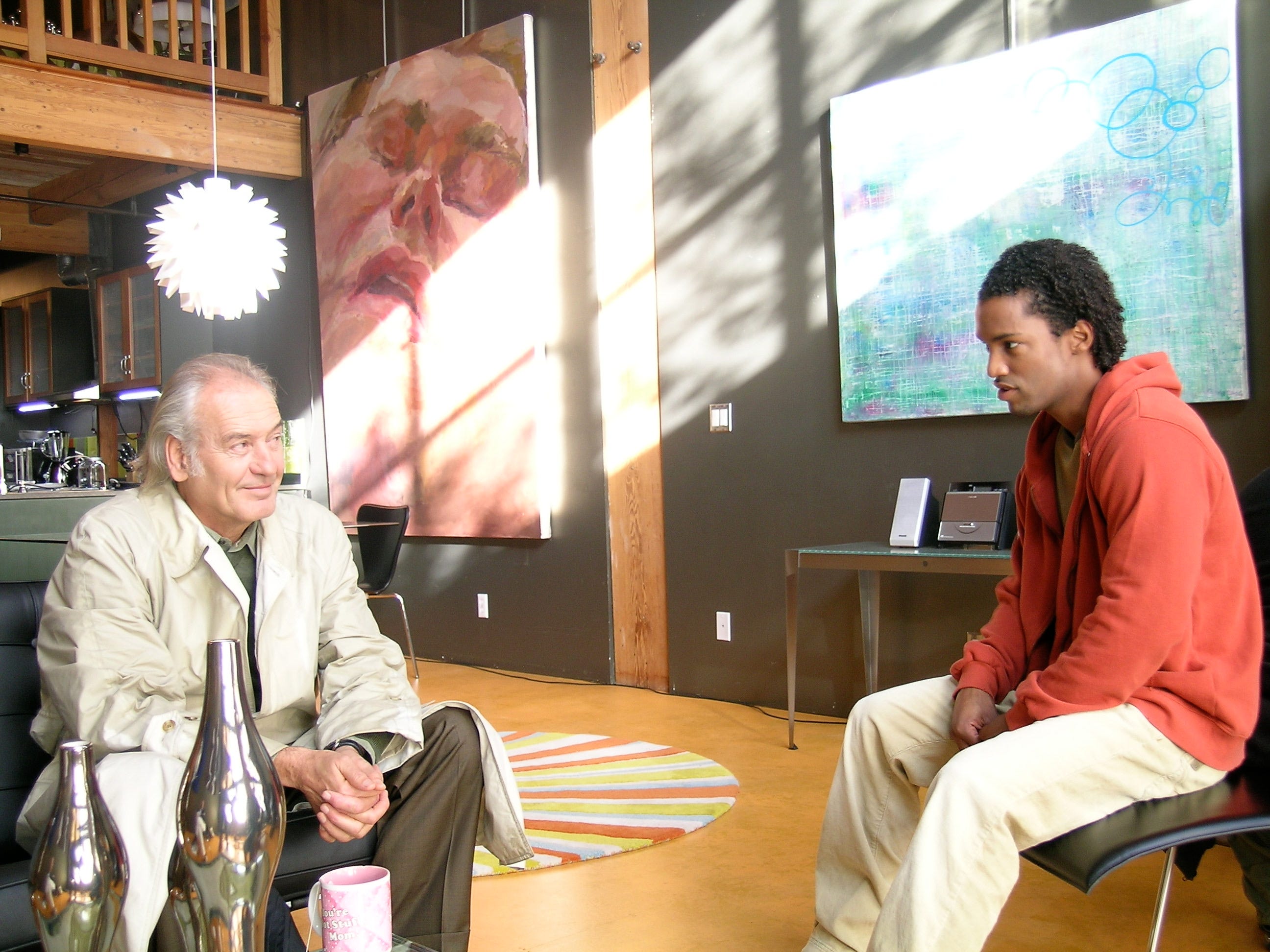
STEPHEN ISRAEL, PRODUCER: It was very different for Patrick. I think at that point he was getting a-couple-days-here, a couple-days-there kinds of roles, and this was a chance at a much more starring role for him to really sink his teeth into. He’d moved away from Europe, which is where his original base was.
Everyone was more impressed with Patrick than Patrick apparently was.
PATRICK BAUCHAU, “GREGORY”: It’s not a film that I particularly like in my work, but I gave it my best.
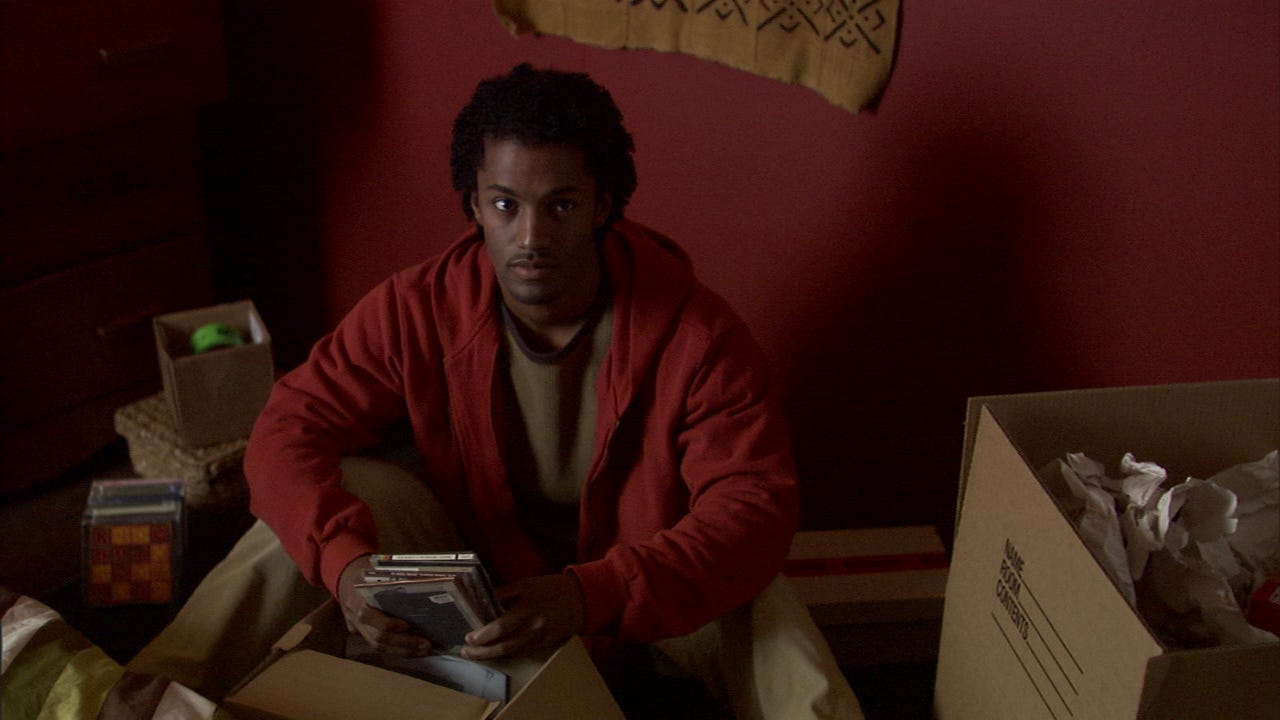
“Andrew … That’s Who This Is Really About” — Casting Darryl Stephens
Casting X’s love interest, Andrew, came with its own challenges. In the novel, Andrew was a stereotypical “all-American” white boy, but Allan made a principled decision — and drew a line in the sand — to rethink him as Black.
PHILLIP J. BARTELL, EDITOR: It’s always been vitally important for Allan. He knows how important representation is and knew and felt it back then.
Q. ALLAN BROCKA, DIRECTOR & WRITER: I’m a Filipino-American queer filmmaker. When I got out of film school I had all these scripts with Filipino queer leads. My Rick & Steve shorts got me a bunch of meetings, and one of the first meetings I had was on the Fox lot with a production company. The executives that I met with were like, “You can’t have someone who’s Asian and queer as the lead. Like, there’s no audience. If every single Asian queer watched this, you still wouldn’t make any money. So, you’re just making it for yourself.”
He made me feel like shit about this. And he said, “Pick one.” I’m just this young kid out of film school thinking, “Well, that’s what I gotta do.”
I thought, “There’s a whole country making Filipino films. I guess I’ll go with the gay thing because there’s nothing gay anywhere.” And it was something that I hated the feeling of. I ended up making my first feature, Eating Out, with an all-white cast. I didn’t feel good about [that]. It’s a tiny little movie that was really hard to make. It took all my heart and soul to make this 10-day, $43,000 film — and I’m still selling out?
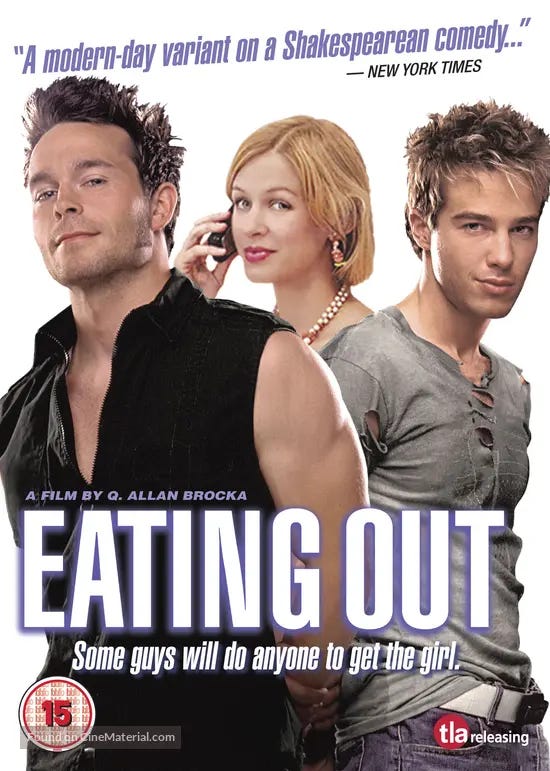
PHILLIP J. BARTELL, EDITOR: We were just kind of in an era of, you know, lots and lots and lots of white on-screen.
Q. ALLAN BROCKA, DIRECTOR & WRITER: At a couple of Q&As for Eating Out, people would ask me, “Why is the cast all white?” And I’m like, “I’ll tell you this story — and it’s not a good excuse. It sucks.” I was like, “You know what? I just don’t ever want to do that again.” I wanted people of color in all my films going forward.
When I read the [novel Boy Culture], I assumed everyone was supposed to be white. When I read it again, I read it through the lens of: What if they aren’t?
PHILLIP J. BARTELL, EDITOR: Allan was insistent; I think I remember he was like, “I won’t do this unless we can get someone who is of color in one of the big roles.”
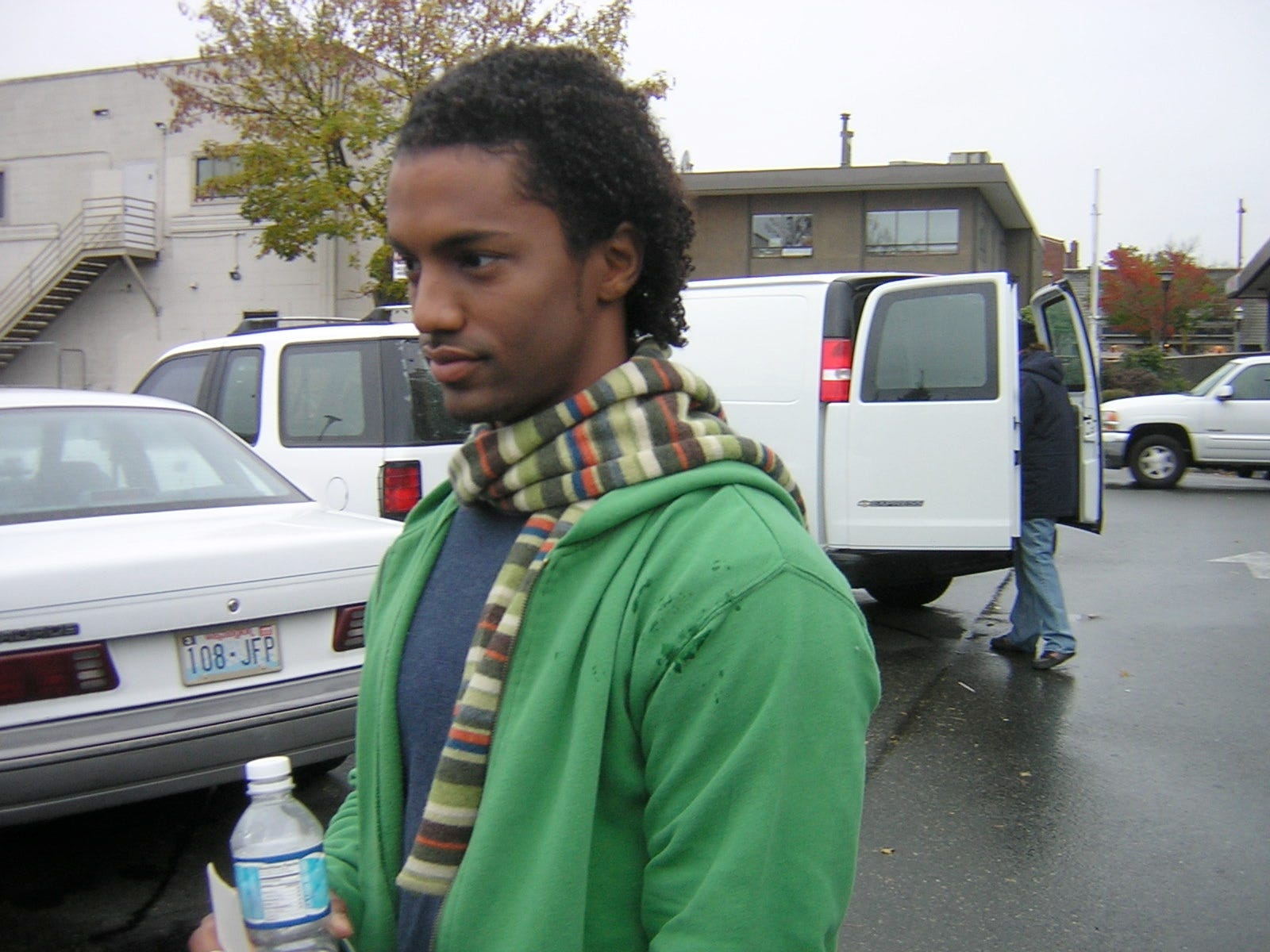
DARRYL STEPHENS, “ANDREW”: You know, [Allan and I] did have a conversation about it and it was about the pushback he was getting from the people just above the director who were seeing it as a gay movie with two white boys — one dark hair, one light hair, you know? That old chestnut.
STEPHEN ISRAEL, PRODUCER: I think the decision [to make the Andrew character Black] hadn’t been cast in stone at the point that I got involved. Allan was quite committed to the idea that this not be another group of cisgender white guys.
DARRYL STEPHENS, “ANDREW”: [Allan] explained to me that he thought it was important to tell a different story than they had in mind. He won. I don’t think he said this to put any pressure on me, but there was definitely this sort of quiet communication that, “You’re going to make this work. You’re going to tell this story in a way that sort of justifies the choice that I made as the co-writer/director in making this character Black. And I think that you can do it.” It was all very positive and all very affirming.
MATTHEW RETTENMUND, AUTHOR: I wasn’t in Seattle for the shoot, and the film took so long to happen that I wasn’t kept apprised of any changes. So, I wasn’t aware one of the characters was Black. I found out when I was reading details about the casting on The Hollywood Reporter’s website, I think. I was Googling cast members’ names and discovering half of them were Black. It didn’t occur to me immediately that X, Andrew or Joey might be rewritten as Black.
Q. ALLAN BROCKA, DIRECTOR & WRITER: Joey seemed too easy; I knew no one would give me a hard time if I did that with Joey, ‘cause he was the comic relief. I thought it needed to be a romantic lead. I ended up zeroing in on Andrew as a person of color so I would be able to bring some of my own personal experience with the queer community into the story. There were moments I never had seen in a film before. For instance, when X says, “I’m not normally into Black guys,” that’s something I got a lot. “I’m not normally into Asians.”
MATTHEW RETTENMUND, AUTHOR: I was fooled because as I was recently re-watching the movie and heard, “I’m not really usually into Black guys,” I thought, “God, that’s dated. I can’t wait to tease Allan about that.” I forgot that a couple of scenes later, it’s actually turned on its head, with Andrew complaining about people who say that. And we see X’s face like, “I can’t believe I’m one of these people.”
DARRYL STEPHENS, “ANDREW”: And Matthew, that is not a dated concept. Let me tell you right now. That conversation is still happening out there. Trust me. There are people out there today who are firm in their stance that, “It’s my preference.”
MATTHEW RETTENMUND, AUTHOR: Grindr has baked that in, I guess.
Producers weren’t instantly sold on the idea of Andrew being Black.
Q. ALLAN BROCKA, DIRECTOR & WRITER: There was some tension. It was held over my head throughout casting, like, “You know, we’re gonna change the role if you don’t find the perfect person to play Andrew.” And thankfully Darryl Stephens walked through the door and was the perfect person.
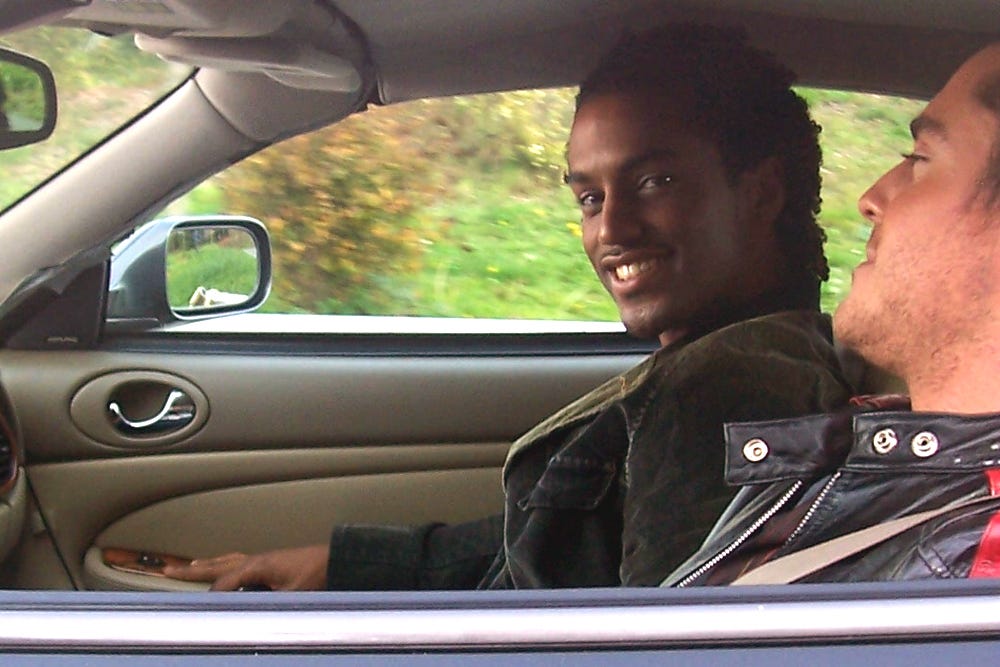
DARRYL STEPHENS, “ANDREW”: I do remember there being a sense, when I was around the producers … I was looking around like, “So, which one didn’t want me? Who do I trust in this room?”
PHILIP PIERCE, PRODUCER & WRITER: It was a surprise. Actually, Allan and I had lunch to talk about it and he explained it and felt passionate about it. And you know, I said, “Cool. Let’s do it.”
MATTHEW RETTENMUND, AUTHOR: I was upset at first only because my original concept of Andrew as a white stereotype was discarded, and I wondered what it would do to my story, how it would alter my message.
Q. ALLAN BROCKA, DIRECTOR & WRITER: Honestly, I didn’t even think about the author of the book through the entire process. It’s weird — I should have. Now, if I’m adapting something, I would absolutely look up this author and figure out everything I could about them to get more information. But it just didn’t even occur to me at that time. You could have been alive or dead.
MATTHEW RETTENMUND, AUTHOR: As it turned out, I think it opened the story up dramatically. Andrew was no longer a concept, he was a person, and the film benefited from that. In my novel, Andrew is a cypher. He was there to prove a point. My book had a bit of an angry Larry Kramer’s Faggots vibe, but Allan’s movie became more of a dramatic rom-com. Though the film has a lot of arch comedy and sarcastic fourth-wall moments, humanizing Andrew made it a real movie.
PHILIP PIERCE, PRODUCER & WRITER: It turned out to be a brilliant thing in terms of relevance and also in terms of, we were fortunate enough to get Darryl, who’s amazing.
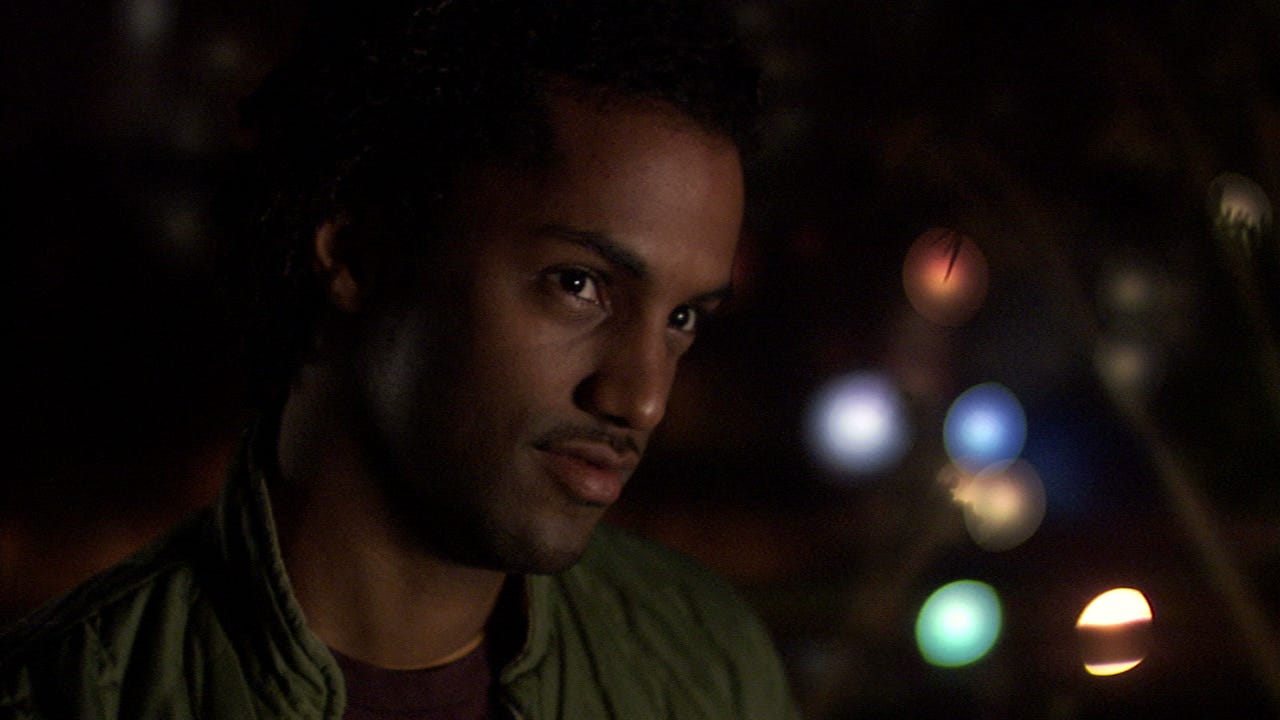
DARRYL STEPHENS, “ANDREW”: It grounded the film in something that felt like a real relationship. It felt like they were actually meeting each other in these two different places in their lives, but that they really mattered to one another because they both had substance on some level. It wasn’t just this archetype of hotness.
I do credit Allan with giving Andrew a lot of that dimension. He’s one of those directors that really pulls you aside and makes sure you understand what the scene is about. There will be directors who will run the scene and tell you what they want, but Allan really gets in there and goes, “What do you want in this scene?” He’ll tinker with what you’re doing and say, “I think it would be clear if you did this a little bit more.” I was fairly green back then, too. I was figuring out a lot of stuff.
Andrew was definitely one of my favorite roles just because it was such a departure from what I was generally being asked to do at that time.
MATTHEW RETTENMUND, AUTHOR: A line in the film I especially noticed upon my recent re-watch is when X says, “Andrew — that’s who this is really all about.” And I think Allan made that happen, made Andrew’s character central to the success of X’s story.
Derek had proven himself from an open casting call, but Darryl came as a recommendation from a trusted friend.
DARRYL STEPHENS, “ANDREW”: I had been working with Patrik-Ian Polk on a show that was intended to go straight to DVD called Noah’s Arc. Wee had been touring the country at Black Gay Pride events … and we’d gone to New York. Some executives from what would become the network Logo came to one of our screenings and we had just found out the show was going to be picked up by this new LGBTQ-friendly network.
Q. ALLAN BROCKA, DIRECTOR & WRITER: Patrik had shot the pilot for Noah’s Arc, but it hadn’t aired. I was like, “I’m making this movie with a Black lead. Who do you know who would be right for this role? If I can’t find the perfect person, they’re gonna make me make him white.” And he was like, “I’ve got the person for you.”
MATTHEW RETTENMUND, AUTHOR: Darryl has a lot to shoulder in Boy Culture. As Andrew, he has to be someone this big personality, X, is in love with.
Q. ALLAN BROCKA, DIRECTOR & WRITER: Andrew was the character who was almost the most difficult for me to wrap my head around because he was the one most different from me. I can absolutely relate to the sociopath X and the horny Joey, but Andrew was kind of this straight-acting guy who was in a relationship with a woman. And it was just a world I was never personally connected to.
I wasn’t sure how to how I was going to navigate the subtleties of his performance, and I didn’t have to — Darryl found Andrew before I did.
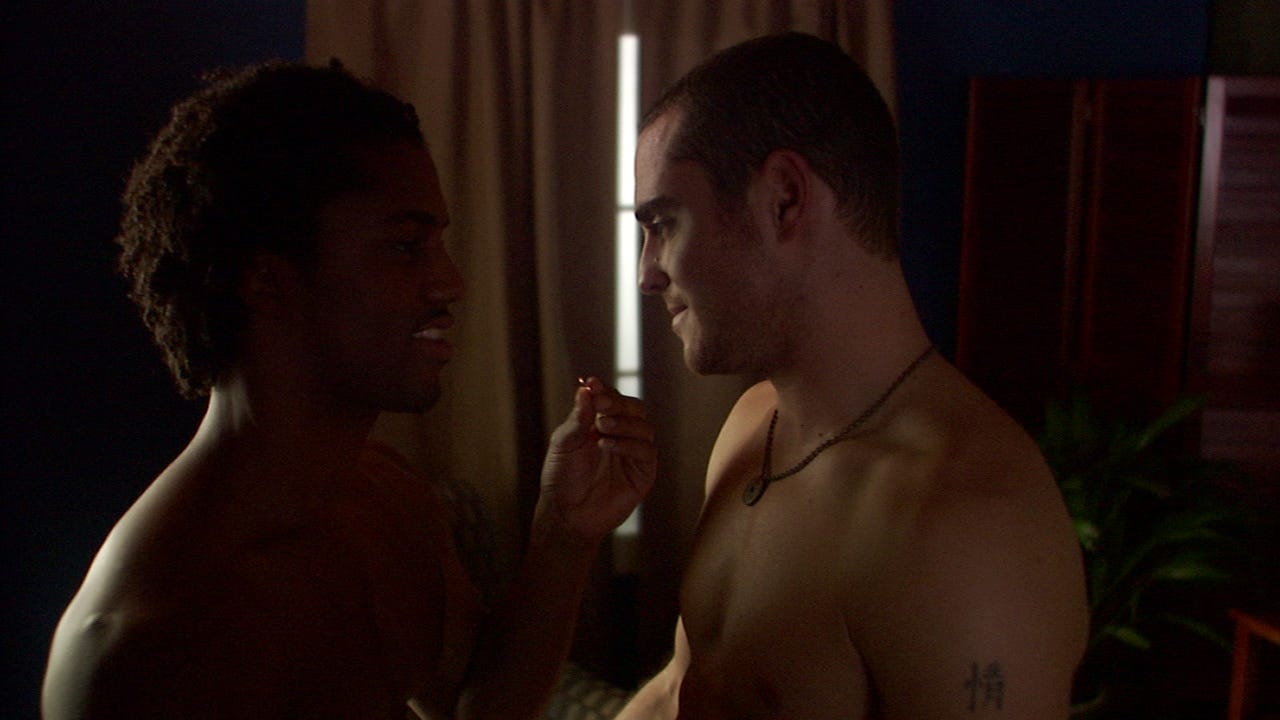
PHILIP PIERCE, PRODUCER & WRITER: We cast Derek and Darryl at the same time — I remember we had a a read with the two of them.
DARRYL STEPHENS, “ANDREW”: I’d read the book, but when the character was Black [in the script], I figured, “Okay, so we’re re-imagining the character. It doesn’t need to be the corn-fed white boy. Obviously, if I’m reading for it, it’s not that, so I can do something else.” Because I had been working on this Noah character for probably almost two years at that point and Noah was very soft and sassy, I read Andrew through that same lens. I thought, “If Patrick thinks I’m good for it, then do some version of what I’m doing on his show.” That seemed logical to me.
Darryl’s first read was more Noah than Andrew.
[Allan] was sort of mortified to have to say it, but it was something to the effect of, “Could you do it again, but butch it up?” And I was like, “Oh, yeah, sure.” I want to say I stepped outside for a second to sort of rethink the whole thing and then came back in and did it as the Andrew that we know now.
PHILIP PIERCE, PRODUCER: He completely switched character. That was so amazing — he’s a great actor.
Q. ALLAN BROCKA, DIRECTOR & WRITER: Darryl … blew us out of the water with the audition, and so the rest is history. So, thank you, Patrik-Ian Polk.
DARRYL STEPHENS, “ANDREW”: I thought that that was kind of a cool moment for me to at least, if I’m doing all these gay projects, play different characters and I won’t be locked into this one role. What I didn’t know at the time is that when you play a role on television, it translates differently for audiences because you’re visiting them in their house every week. They know you as this one thing. So, Noah definitely became the thing I was known for in terms of what I was, essentially, asked to do as an actor for the years that followed.
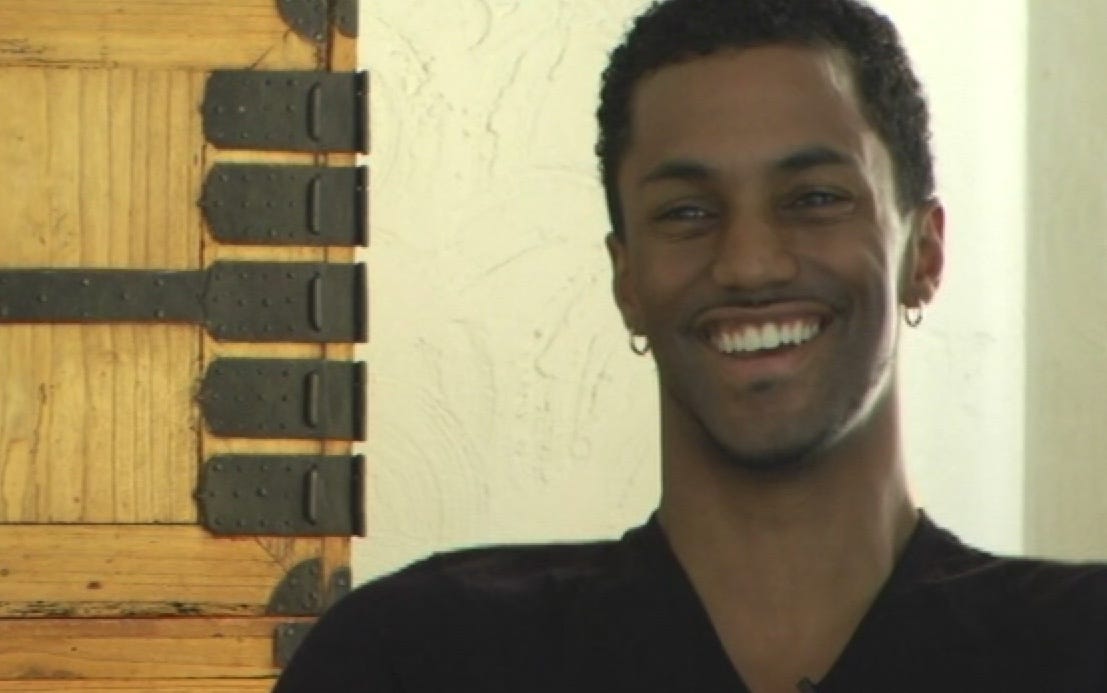
While Darryl was the perfect Andrew, his recommendation by Patrik had come with two unbreakable rules: (1) Don’t cut his hair, and (2) Don’t show him naked.
DARRYL STEPHENS, “ANDREW”: There was this whole thing about my hair! I couldn’t cut my hair because Patrik wanted it as long as possible for [Noah’s Arc, which] we were going to shoot that summer.
[On set, there were] group conversations with heavy deliberations and faces of consternation where everyone was like, “So, what are we gonna do with his hair?” And [the movie’s makeup designer] Shannon [Fisher] had this whole situation. My hair was long and curly and he was pinning it back with bobby pins, hair pins, just so it wouldn’t be so all over the place. They tried! They tried to tame Noah’s hair. You know, when I look back at that movie, Andrew would not have that hair. Why would Andrew, this dude, have that hair?
MATTHEW RETTENMUND, AUTHOR: I think the audience buys it.
DARRYL STEPHENS, “ANDREW”: Eventually, you gotta get over it, yeah.
Q. ALLAN BROCKA, DIRECTOR & WRITER: [Patrik’s second rule was] we couldn’t show [Darryl’s] butt crack because the butt crack had to be saved for Noah’s Arc. We were very careful. We were like, “No crack in the shower scene.”

“You Amaze Me, Too” — Casting Jonathon Trent
No love triangle would be complete without a comedy-queen twink. But where to find one with a Marilyn Monroe quality, a boy capable of melting X’s heart … just a little?
Q. ALLAN BROCKA, DIRECTOR & WRITER: Jonathon was actually just in the waiting room where we were auditioning, waiting to audition for another film.
JONATHON TRENT, “JOEY”: When you go to a casting or an audition, you’re going to almost, like, a co-op, right? It’s like a casting house, and there might be different rooms with different auditions for completely different projects happening simultaneously. I don’t even know what I was there for. I didn’t get that.
Q. ALLAN BROCKA, DIRECTOR & WRITER: Our casting director went out there and saw him and just thought he was a gay twink. It was like, “My God, there’s someone in the lobby who’s perfect. I’m gonna go give him the sides and see if he wants to come in and read.”
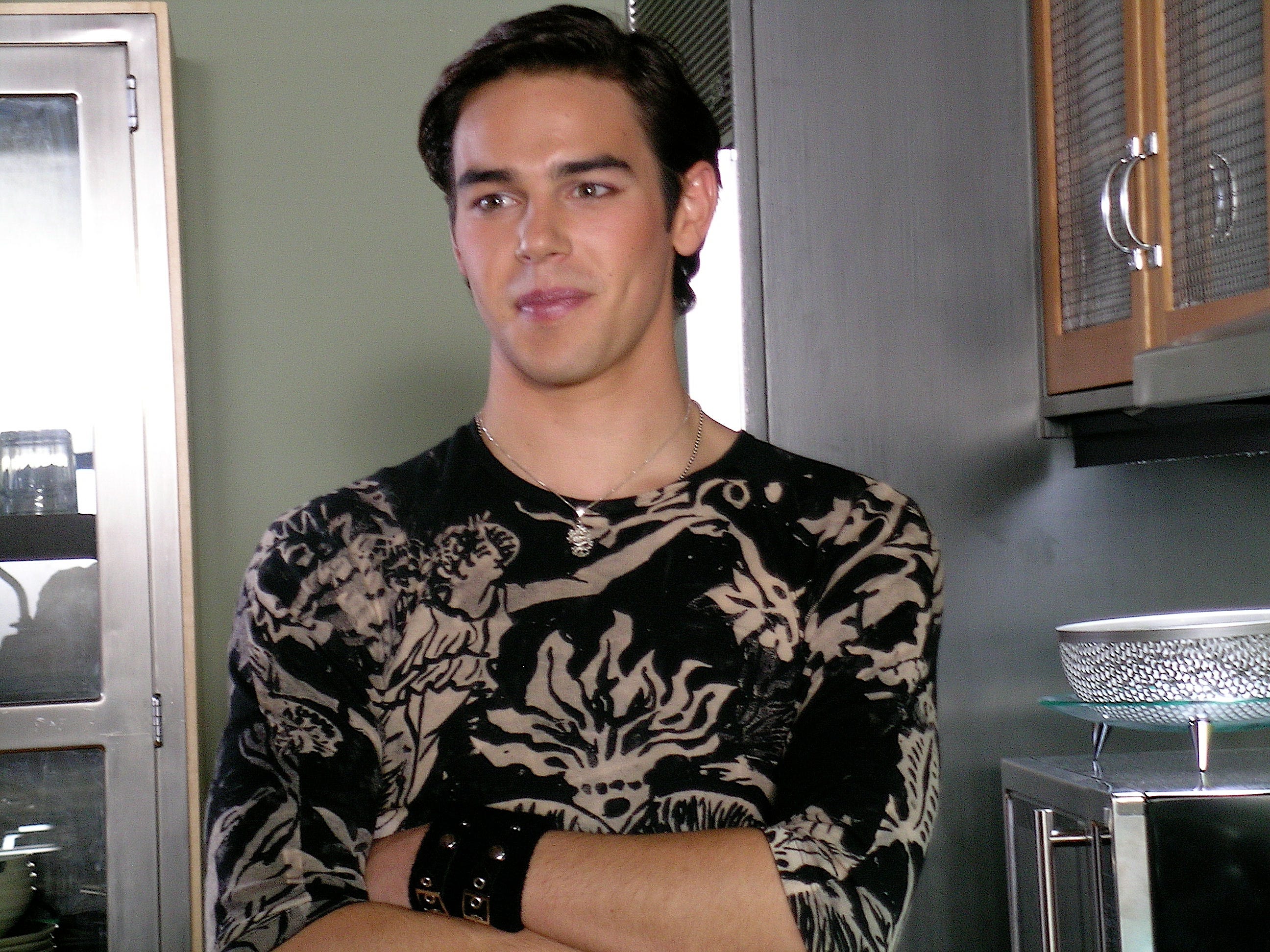
JONATHON TRENT, “JOEY”: I believe it was Robert McGee who came up to me and he goes, “Hey, are you auditioning for Boy Culture?” And I go, “No.” And he goes, “Do you want to?” And I was like, “Sure. I don’t know what it is, but I’d love to.”
I did the audition that I was there to do, finished, went back into the waiting room area, took the sides for Joey, spent about 20 minutes and was like, “Hey, I’m ready.” I believe it was with everyone in the room — Allan and some of the producers.
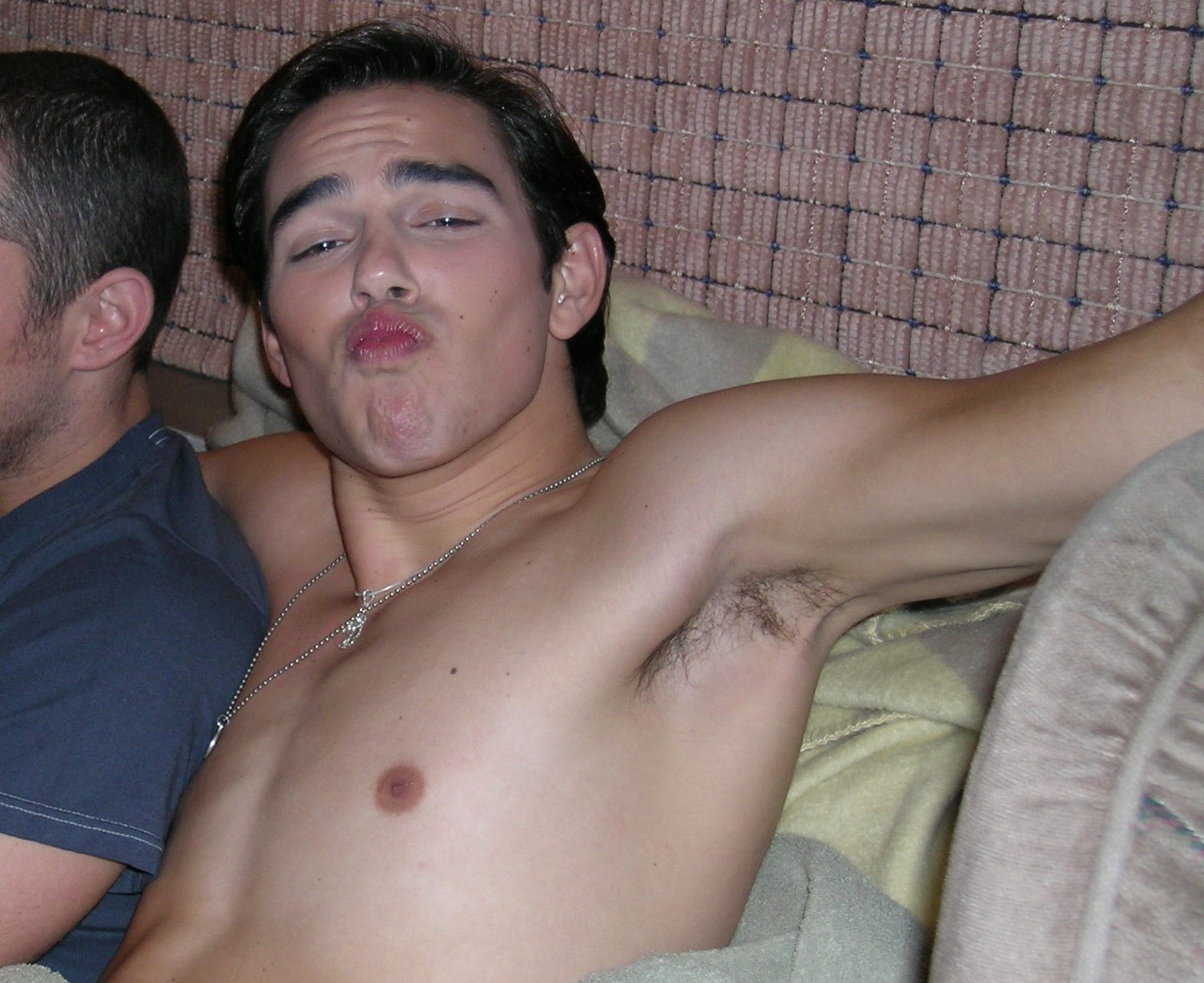
STEPHEN ISRAEL, PRODUCER: I just remember Jonathon walking into that first audition and just owning the room. He came in swinging his bag, sitting down, and I remember him going, “I am so in love!” He was in the role the minute he walked in. We’re all looking at each other like, “Holy crap! It’s Joey!”
JONATHON TRENT, “JOEY”: Not having any time to really think about it, I was able to give a really free and open performance. And that ultimately led to the job.
Q. ALLAN BROCKA, DIRECTOR & WRITER: I thought he was out, and I was like, “My God! We’re gonna have a gay actor!” Once we cast him, he said he wasn’t gay and really wanted to make sure that he wasn’t playing a stereotype. That was his big worry. He wanted to keep it human, he wanted to keep it real, he didn’t wanna play a stereotype — and that role is stereotype-bait. It’s easy to go off the rails with that.
MATTHEW RETTENMUND, AUTHOR: It’s like Emory in The Boys in the Band. The character is ridiculously over the top, yet we all know people like that.
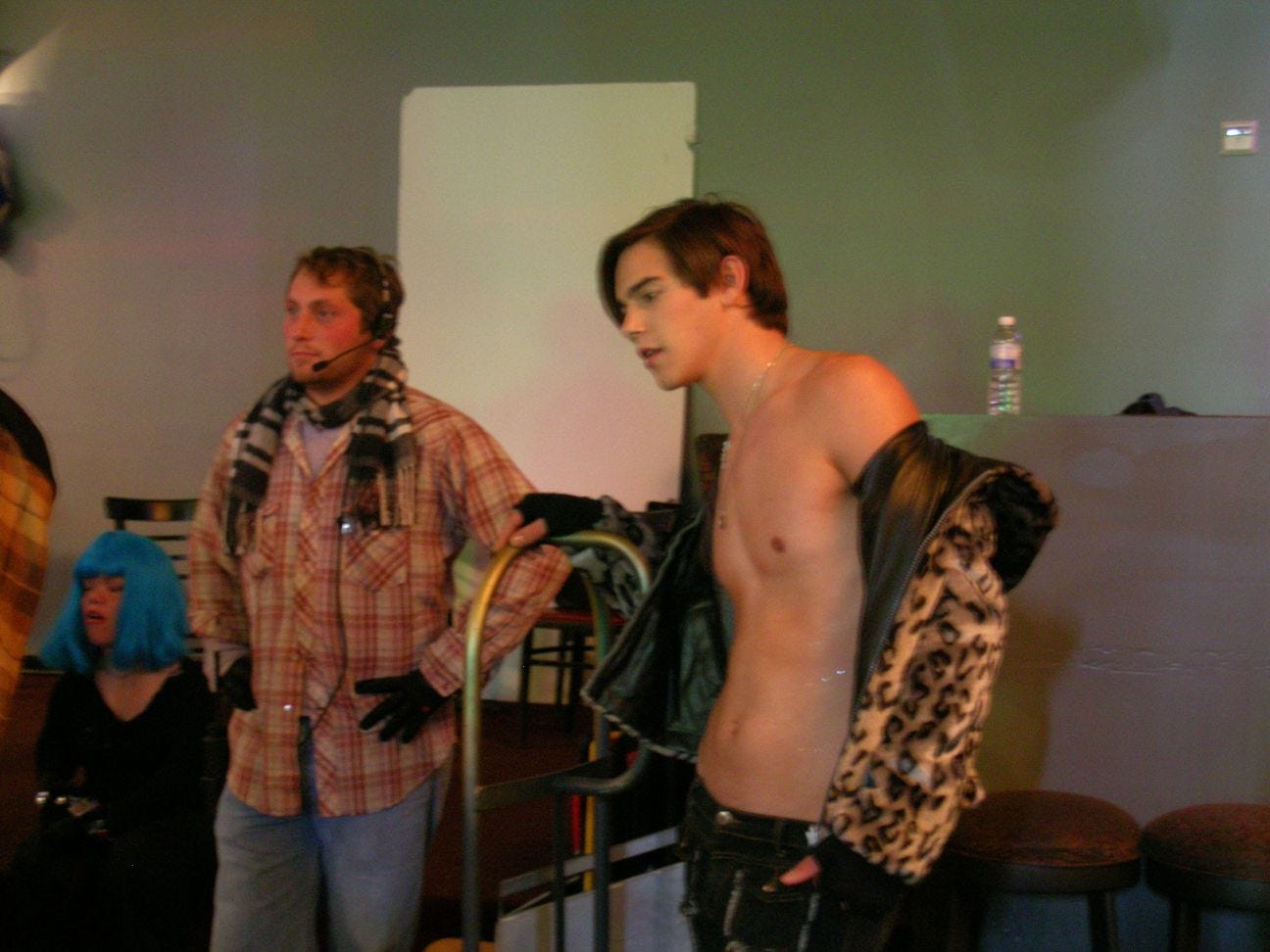
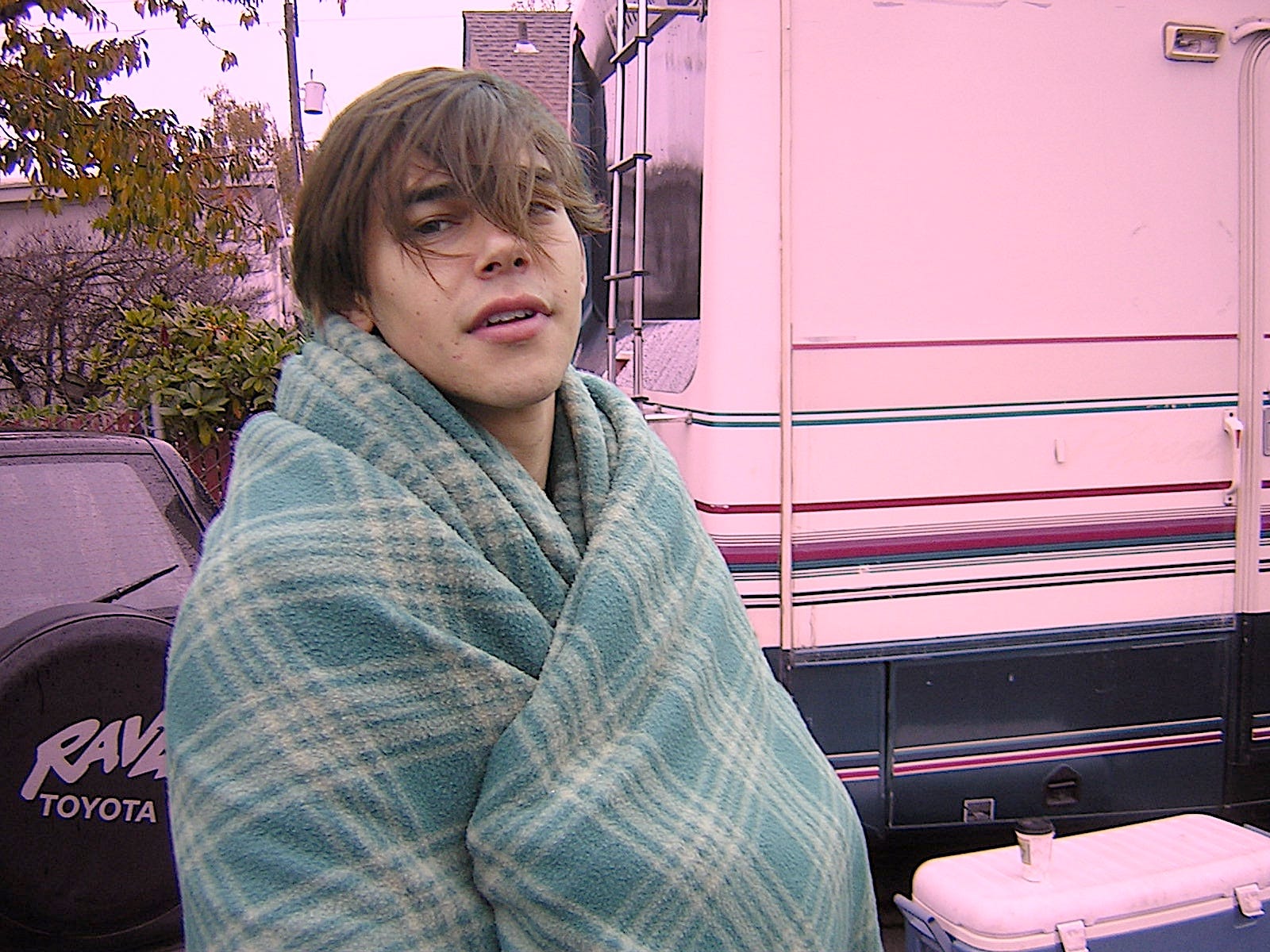
Q. ALLAN BROCKA, DIRECTOR & WRITER: Jonathon was able to make him a real human being, not just a person in gay drag.
DEREK MAGYAR, “X”: Jonathon brought everything. He was great in this film. He really was. I remember him as an actor — he was nothing like [Joey] in real life. There was never a moment where I didn’t believe him as Joey. I think he really was living and breathing that character the whole time we were shooting.
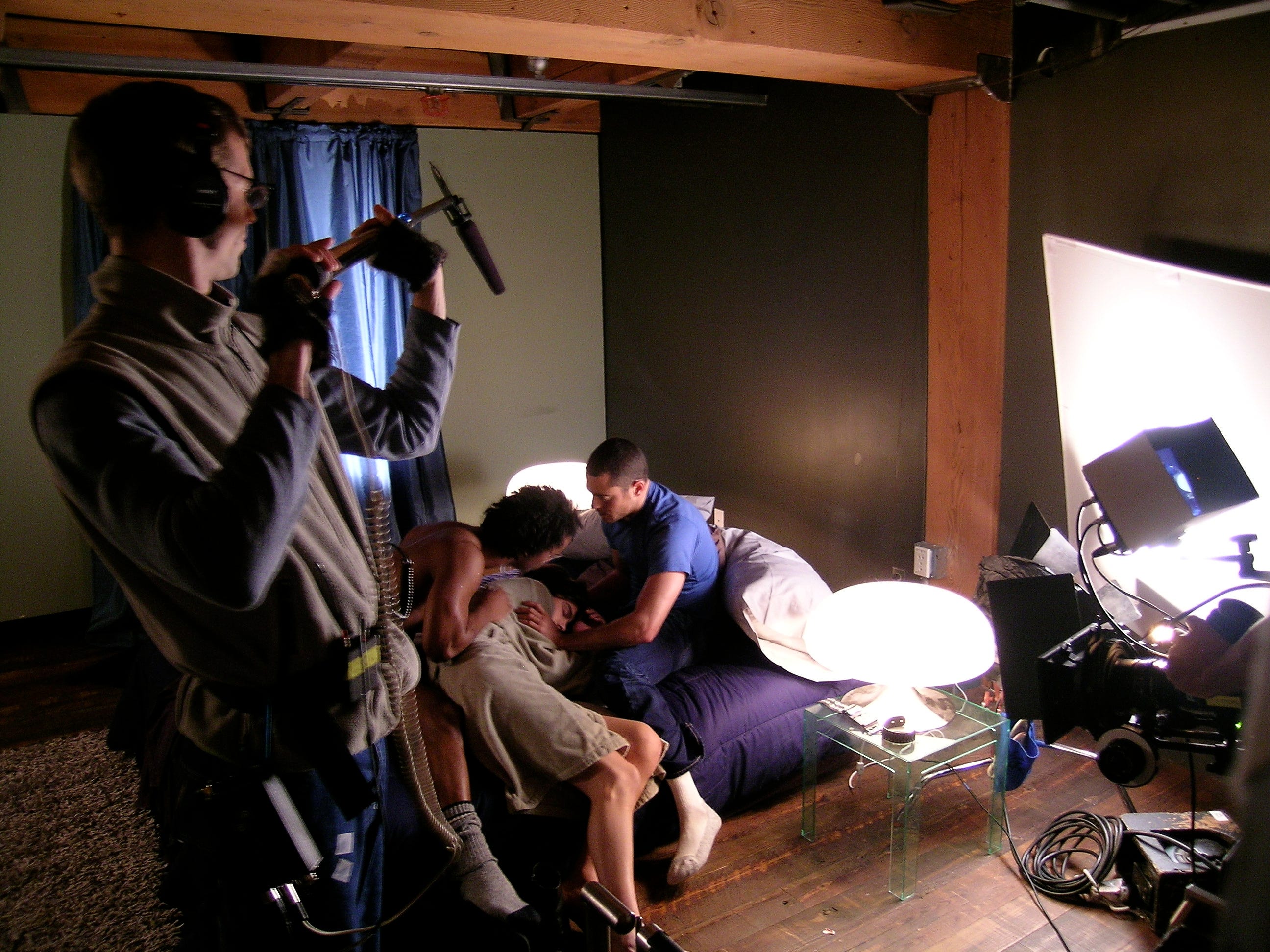
Jonathon is in one of Allan’s favorite scenes.
Q. ALLAN BROCKA, DIRECTOR & WRITER: I especially like the Joey overdosing scene.
PHILLIP J. BARTELL, EDITOR: I’ll always be particular to the [Joey passing] out scene. It’s messy and sweet and sad and a little bit hot, too. Joey’s getting up in [X’s] face and then passes out. This surprised audiences, and I think it’s still surprising.
JONATHON TRENT, “JOEY”: I had never done GHB and so I didn’t have anything to really draw upon. I didn’t know really what I was supposed to be feeling. I think Allan told me, “All right, it’s gonna make you loopy and fall asleep.”
Q. ALLAN BROCKA, DIRECTOR & WRITER: That scene, in the moment, felt really magical. On the page, it’s like, “Are they really gonna connect over this overdosed kid? How is that moment gonna read where X and Andrew actually kind of connect and they touch hands and he’s just passed out?” I wasn’t sure how it would land, but [the actors] really made that land nicely.
JONATHON TRENT, “JOEY”: I do recall being insecure while doing it and I wasn’t sure how it was gonna turn out. The way they shot it, it looked great. I was really happy with the way it turned out.
PHILIP PIERCE, PRODUCER & WRITER: Actually, I think Jonathon as Joey is, in a way, the heart of the movie. Joey’s kind of a little heartbreaking ‘cause he was trying so hard all the time and wore his heart on his sleeve.
“I’m Gay and They Made a Movie About Me” — Navigating the Question of Lived-Experience Casting
Today, there is an ongoing — but perhaps slightly subsiding — debate about whether queer parts should go to queer actors. That was more of a consideration 20 years ago, but that was also a time when many actors — queer and straight — could be reluctant to accept gay roles for fear it would typecast them or lead to them being perceived as queer IRL.
These considerations informed the casting process.
STEPHEN ISRAEL, PRODUCER: There was trouble about straight actors — or even closeted actors — taking on the role of a male hustler. It made a lot of people nervous. Frankly, there wasn’t any reason for an actor with any kind of a name to trust that Allan was gonna make a film as good as Boy Culture.
JONATHON TRENT, “JOEY”: I always think that I wanted to make decisions based off of what I thought was good and interesting material. And, of course, you don’t always get blessed with that.
DEREK MAGYAR, “X”: It was a question for me of just character, material — and that’s it.
Patrick Bauchau, who is straight, had played gay in both The Music Teacher (1988) and Jenipapo (1995).
PATRICK BAUCHAU, “GREGORY”: I put in the same consideration that I put into all of my roles.
Q. ALLAN BROCKA, DIRECTOR & WRITER: From day one, I always wanted out gay actors playing out gay roles in all of my film, and the reason for that is because there were so few gay roles and so many actors having to live in the closet to get any kind of role. And I wanted to show that there was a world where you could be out and be yourself authentically and still get work.
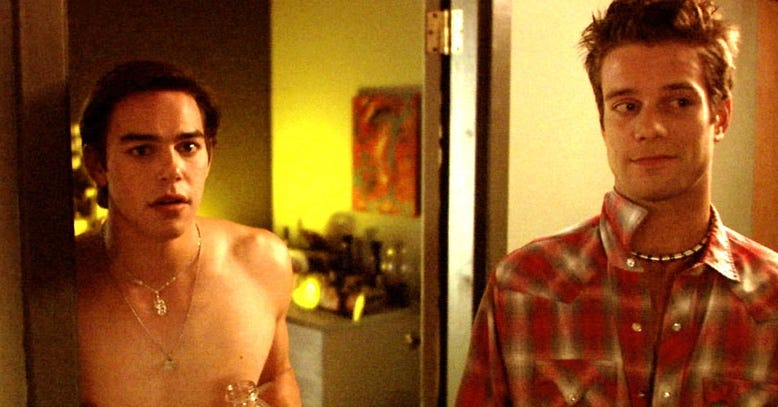
JONATHON TRENT, “JOEY”: I always think about Boy Culture and go, “Gosh, I hope no one’s upset that I play Joey even though I’m not Joey.”
MATTHEW RETTENMUND, AUTHOR: I think the Boy Culture cast was grandfathered in.
DEREK MAGYAR, “X”: It’s about the right person for the job, whether you’re straight or gay or bi — it doesn’t matter. I just think when you’re the right person for the part, you’re the right person for the part. And in my opinion, that mattered then, and that should be what matters now. That doesn’t mean that it shouldn’t be potentially someone who is gay if he does the best job.
STEPHEN ISRAEL, PRODUCER: We wanted the best people for the role. It was so hard getting people to play the gay roles in the first place. In some ways, gay actors were more scared of playing it than straight actors were because they were worried that they would out themselves.
Q. ALLAN BROCKA, DIRECTOR & WRITER: I was always rooting for someone out to be in the gay roles but, you know, there were very few people out at that time. Ricky Martin wasn’t out yet. Neil Patrick Harris wasn’t out yet.
DARRYL STEPHENS, “ANDREW”: This was before I publicly came out.
Q. ALLAN BROCKA, DIRECTOR & WRITER: I remember feeling terrified of Darryl thinking I was pressuring him to be out.
DARRYL STEPHENS, “ANDREW”: Allan, for the entire time I knew him before that happened, was like, “If you need any help coming out, I think it’s really important for gay actors to be playing gay roles.” When I finally [as part of Out’s OUT100 list in 2006] was like, “Yes, just put it out there. Who cares?” Allan’s voice was in my brain. “It’s important. People need to see that.” And it is.
Q. ALLAN BROCKA, DIRECTOR & WRITER: It was a tough situation. Like people say, it’s none of our business, but there’s this hunger for representation, not just in films, but in the filmmaking world. We wanted to see that we could make it being out, that we could be actors, that we could be filmmakers, that we could, you know, have successful careers. I understood that hunger.
MATTHEW RETTENMUND, AUTHOR: I always wondered if it ever came up among the cast at the time of the shoot that Darryl was the only gay one.
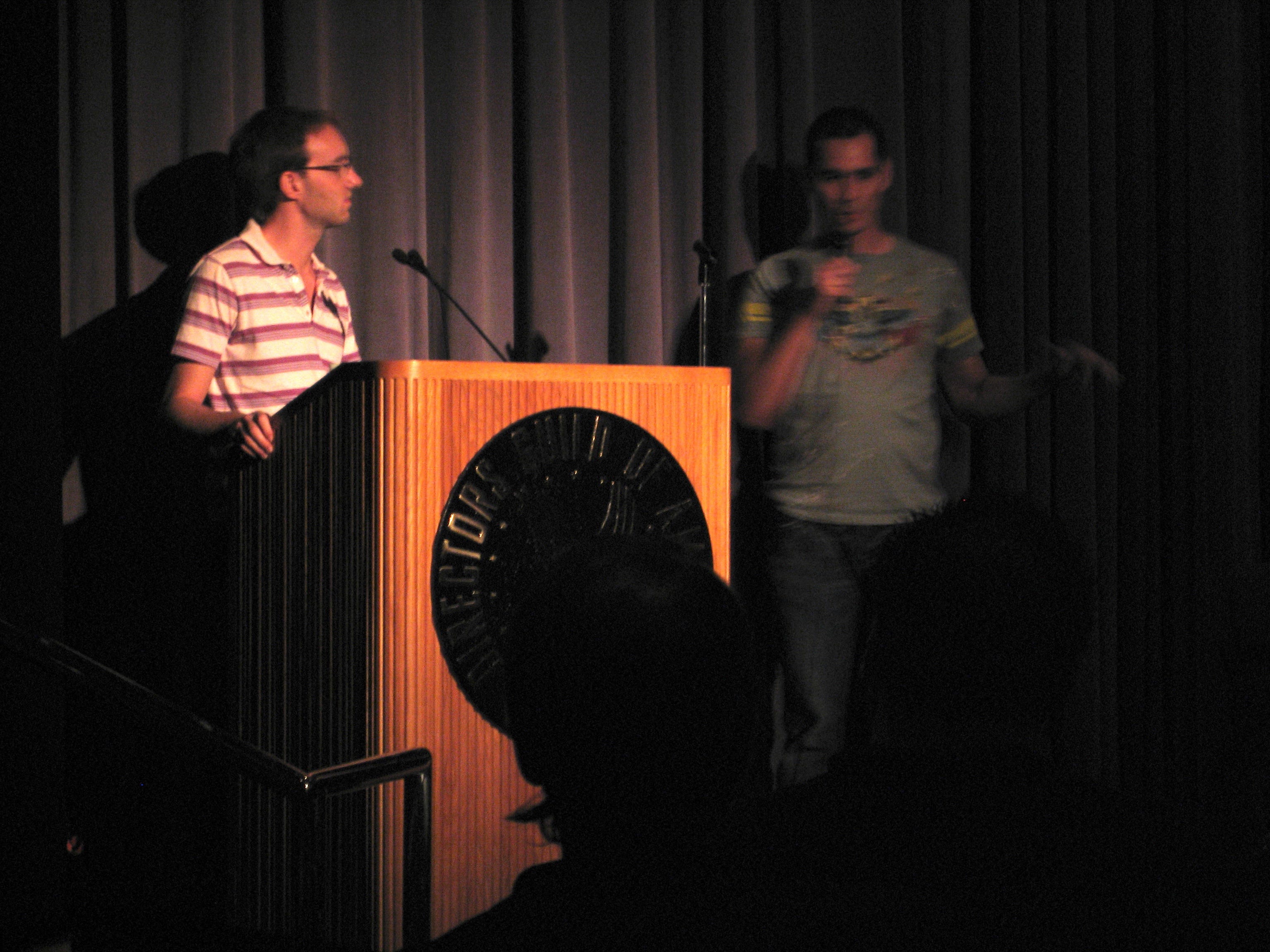
Q. ALLAN BROCKA, DIRECTOR & WRITER: I remember opening night feeling this drop in my gut because someone asked if there were any gay people in the cast. They asked me that onstage, in front of everybody. And I was like, “Unfortunately, there are no out gay people in it.” That’s how I worded that answer … Jonathon was the one everyone thought was gay.
JONATHON TRENT, “JOEY”: I don’t think we ever really talked too much about it. We all just felt really lucky to be working on a project that felt like it really mattered. We weren’t concerned or worried with like, “Well, should we be doing this?” or, “Is this gonna typecast us? Is there any danger?” We were like, “This is such an amazing film.” We were so lucky to be a part of it, to be connecting on this deep level and be surrounded by all these talented people that were creating the space for us to embody these roles.
DARRYL STEPHENS, “ANDREW”: There was certainly never weirdness between the actors about who was gay and who was straight because we were all so excited to be playing gay. I think that they both really came into the project with no fear.
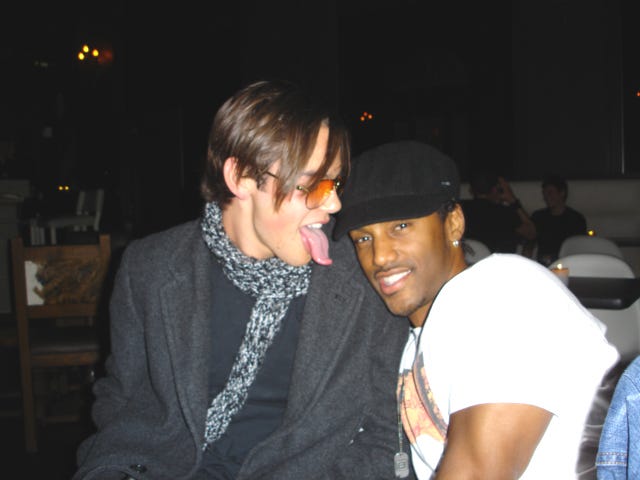
One of Joey’s most famous character traits is his unnaturally long tongue. The moment where he flirtily sticks it out and waggles it was so funny it even made the trailer. That classic moment stemmed from a consideration involving Jonathon playing gay.
Q. ALLAN BROCKA, DIRECTOR & WRITER: Jonathon had a lisp because of that tongue. And one of the things he was worried about was that people would think he was lisping to be gay. I was like, “Well, let’s just lean into that.”
JONATHON TRENT, “JOEY”: I’ve always had a long tongue. Not Gene Simmons-long, but pretty long. It just seemed to fit that Joey would use any way of overcharging his sexuality, so I think I pitched it to Allan, who was very supportive of throwing it in. I think we both came up with a line to help support it — and voilà.
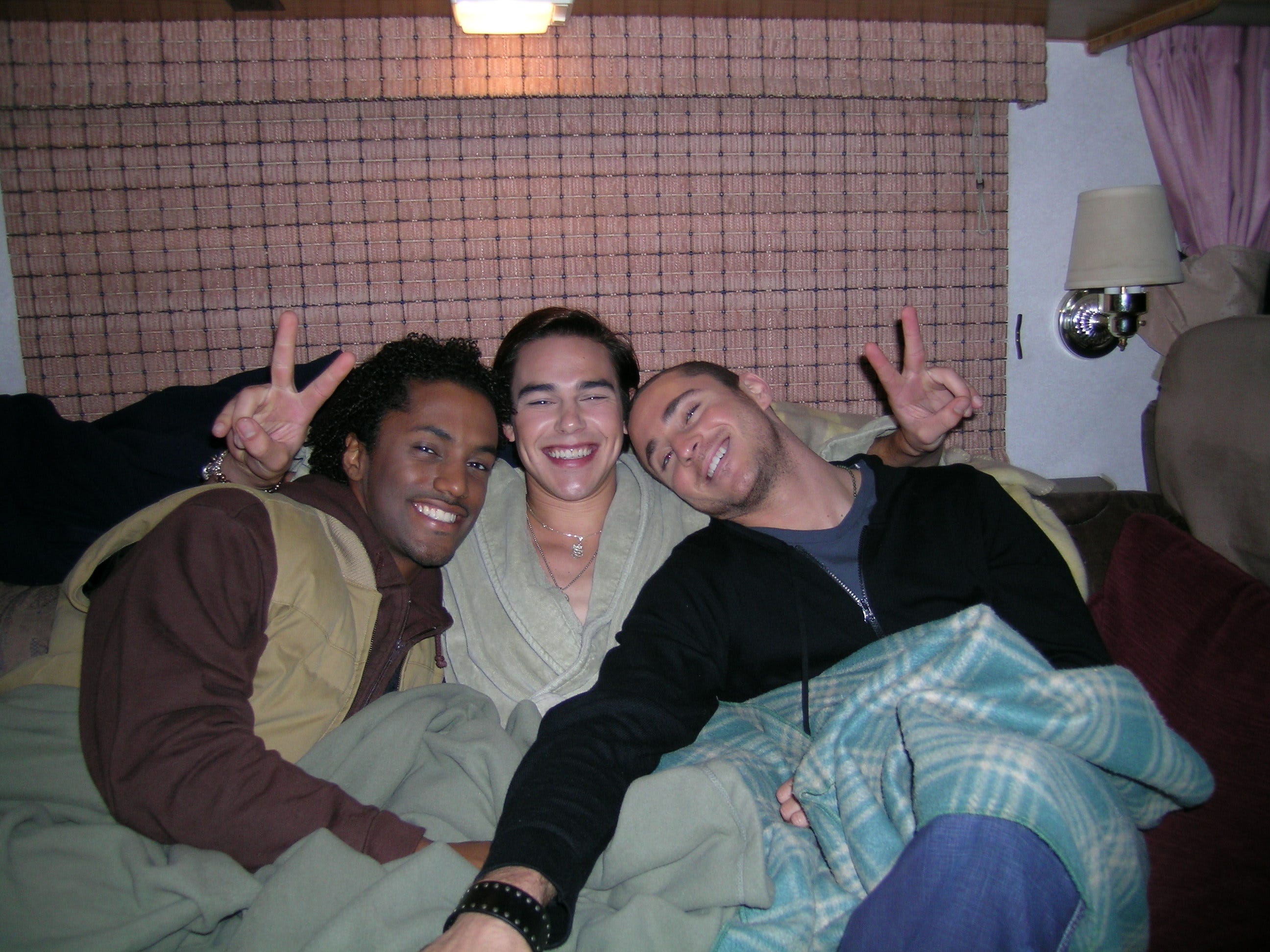
“So, You’ve Met My Nuclear-Reactor Family” — How the Cast Bonded
Boy Culture unquestionably benefits from the incredible chemistry between its three young stars.
DARRYL STEPHENS, “X”: The three of us — Jonathon, Derek and I — we were sort of dropped in Seattle to shoot the movie. That was my first out-of-town shoot, actually … the first thing I shot where I got on a plane and was living somewhere else.
DEREK MAGYAR, “X”: I remember [that on] the plane ride up to Seattle, we started talking and really digging in and getting to know each other and talking about the script.
DARRYL STEPHENS, “ANDREW”: God, what a time that was that we all got to spend time together and trust each other with these very personal moments and these very young-actor insecurities. And I just feel like we got to really open up to each other. And Jonathon and Derek were both very sweet actors to work with.
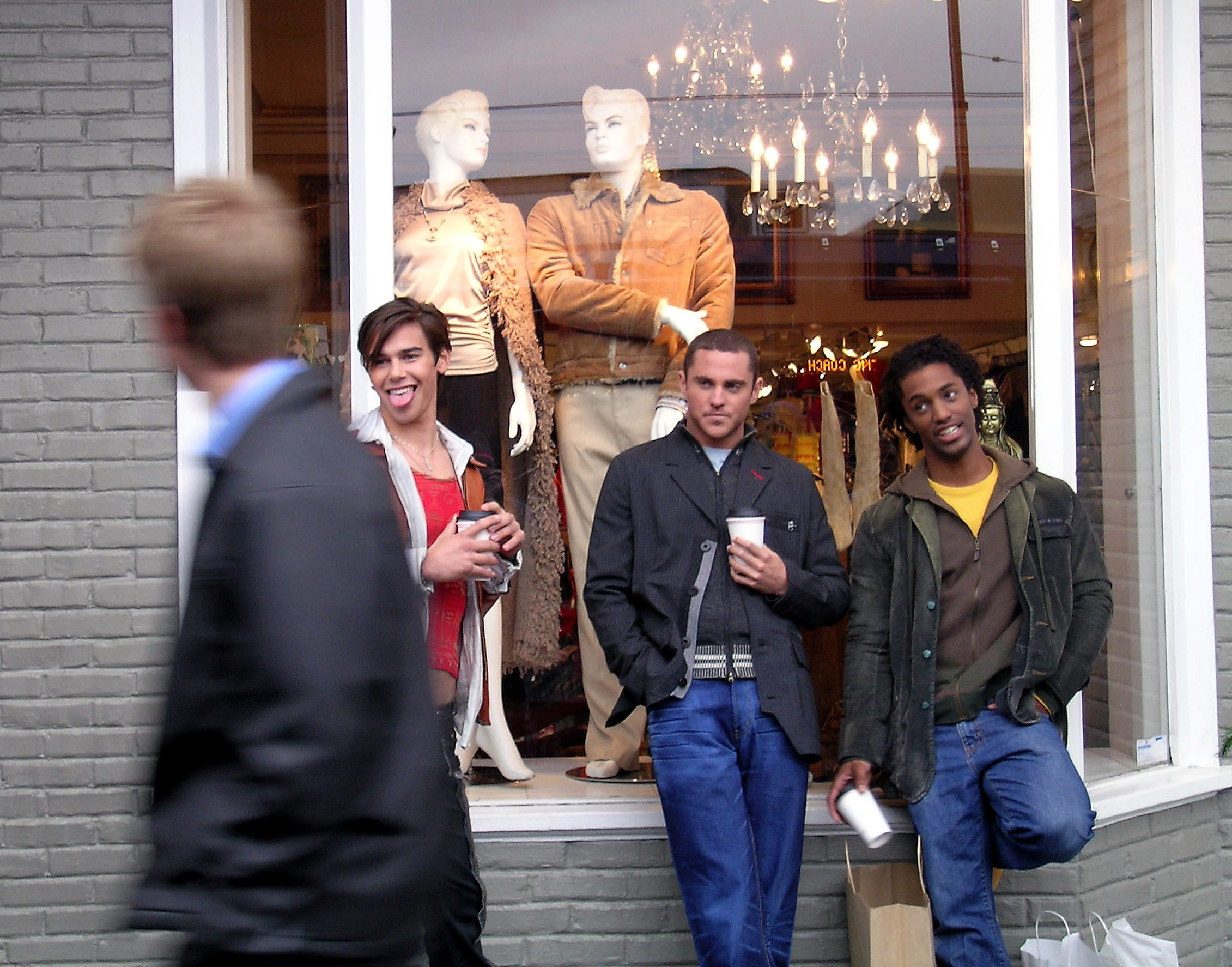
JONATHON TRENT, “JOEY”: I especially remember just being on the sidewalk and, you know, they put the camera up and we’re just kinda doing stuff and people are walking by and we all felt really free and really safe.


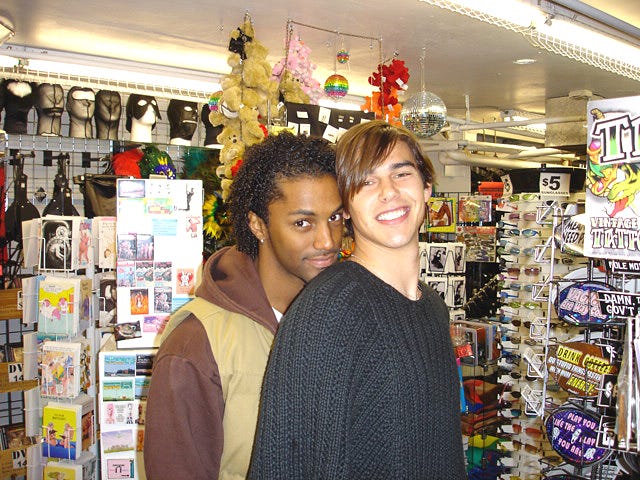
JONATHON TRENT, “JOEY”: We had an amazing bonding experience up in Seattle. And I think that helps — when you’re on location and you’re not going home, you’re going back to the same hotel. We traveled as a group, we did a lot of stuff together. We had really good synergy and it translated on the screen.
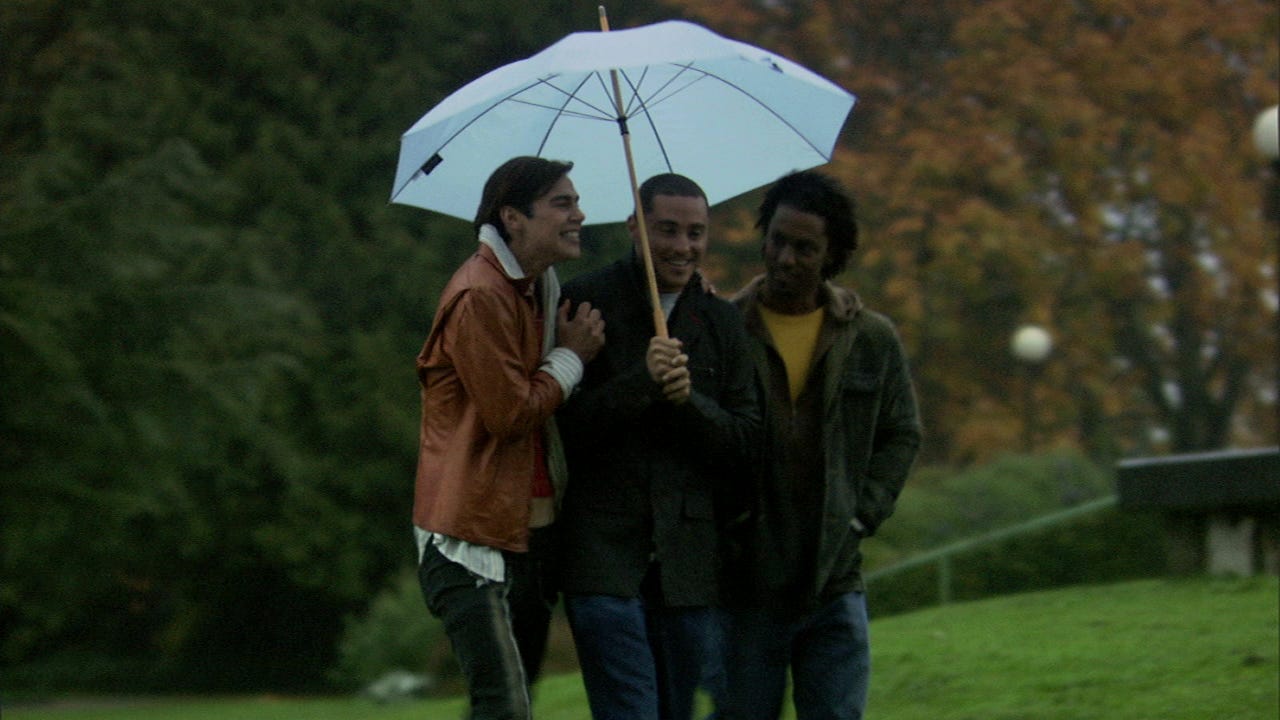
Q. ALLAN BROCKA, DIRECTOR & WRITER: I gave them a couple of assignments, but most of it was just them on their own spending a lot of time together, hanging out together … I think we took them around [Seattle’s queer-skewing] Capitol Hill.
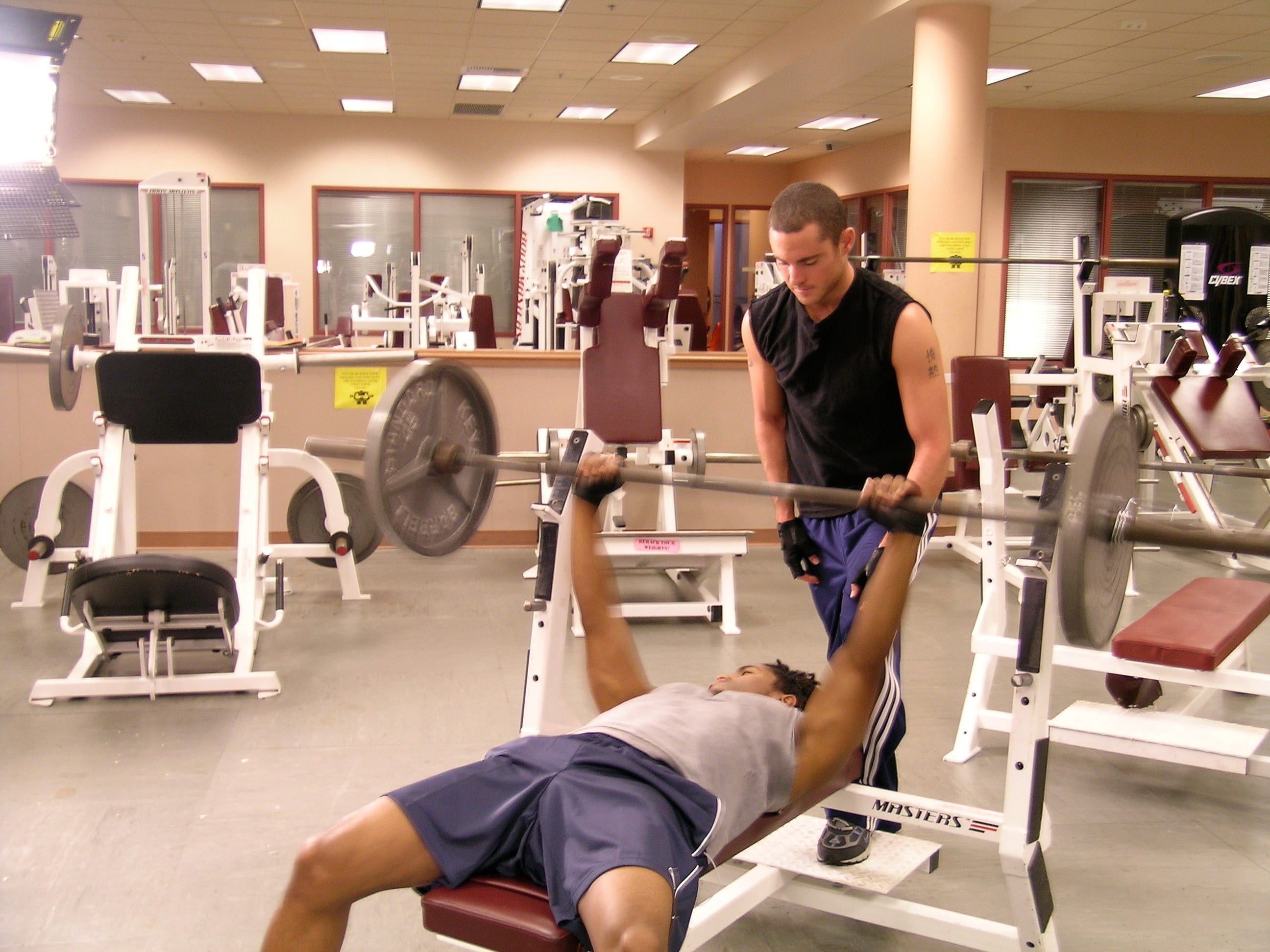
DARRYL STEPHENS, “ANDREW”: We were all living in L.A. at the time and it was very much, “Well, you’re the only two people I know here — let’s do everything together. Let’s go eat at Dick’s Drive-In every day. Let’s go work out together. Let’s work on things together. There was definitely this sense of: “It’s just us. So, let’s actually connect as humans.”
EMILY BROOKE HANDS, “LUCY”: I think I was only on set three days total … And I didn’t want to leave! Everybody was so fun. We’d go out and have drinks.
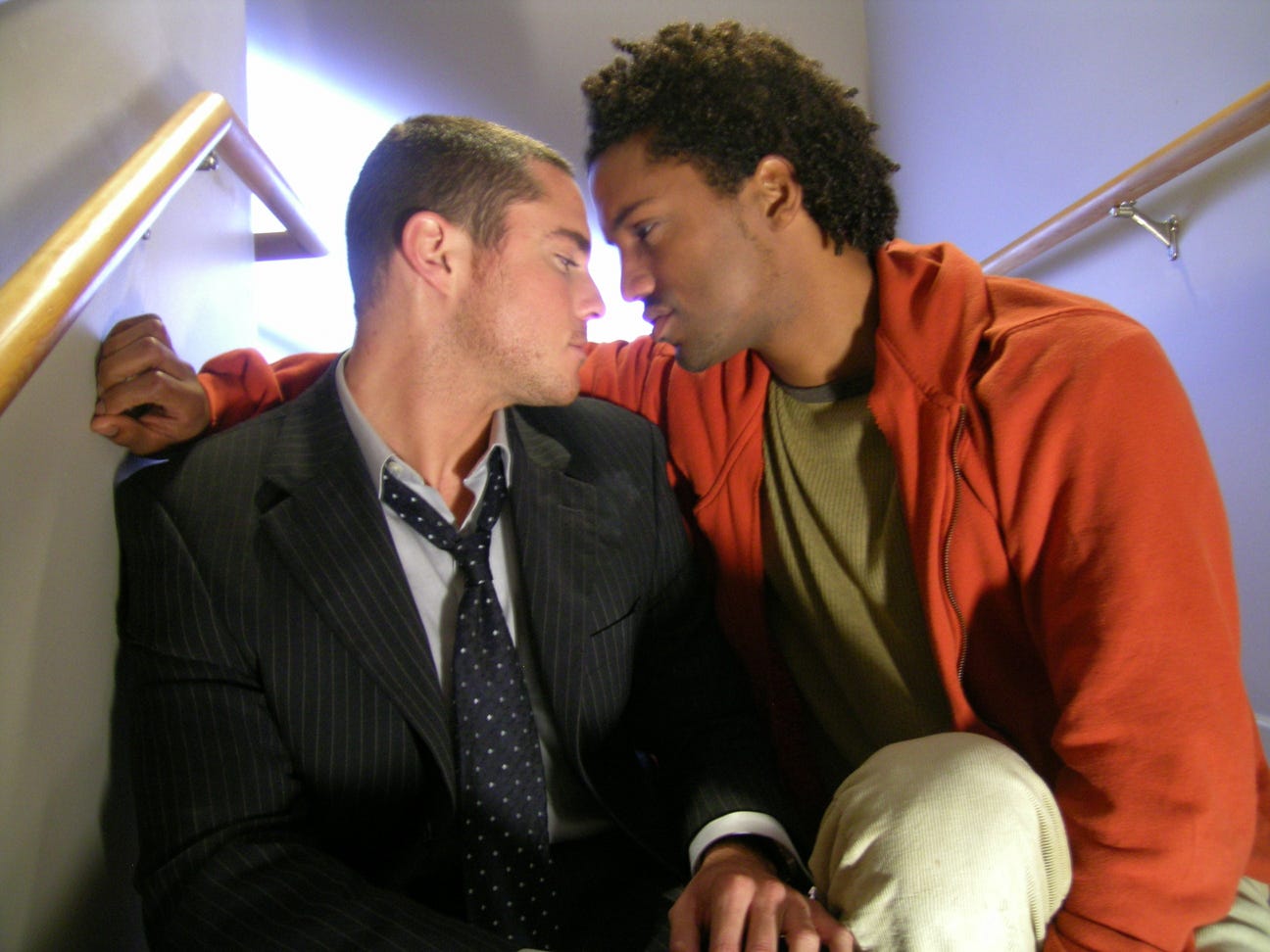
Everyone was vibing, but the chemistry between Derek and Darryl had to be palpable or the entire film would not work.
DEREK MAGYAR, “X”: I think, like what happened with the relationship between Connor [Storrie] and Hudson [Williams on Heated Rivalry], it just works. Like, they’re a fit, you know? And I think that Darryl and I just fell right into it. And it was very easy, to be honest. I think we really cared about each other, liked each other.
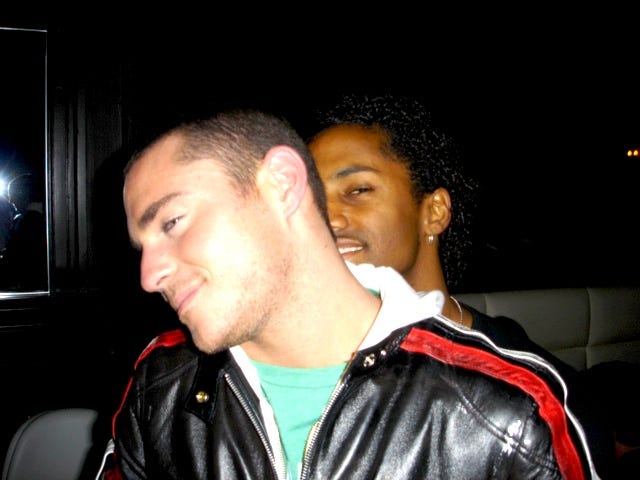
DARRYL STEPHENS, “ANDREW”: Like with the Heated Rivalry guys, there was this understanding that this was our chance to make an impact. We were gonna do everything we could within the confines of this story to excel. And I do feel like the three of us kind of went into that project with that same attitude of, “Let’s bring it.” We were like the three musketeers — [t]here to solve the crime.
DEREK MAGYAR, “X”: I was very lucky in getting to work with Darryl. He’s such a special guy who is a wonderful actor. He holds space. He’s very talented. And he makes my job a lot easier. I was very grateful for that.
DARRYL STEPHENS, “ANDREW”: Every single thing that we did, we were cheering each other on as well as sort of challenging ourselves to be as into it as we could.
“There’s No Such Thing as Too Soon” — First Scenes & Allan’s Vision
Filming commenced November 1, 2004. Jonathon couldn’t remember for sure his very first scene, but Darryl and Derek gave it a stab.
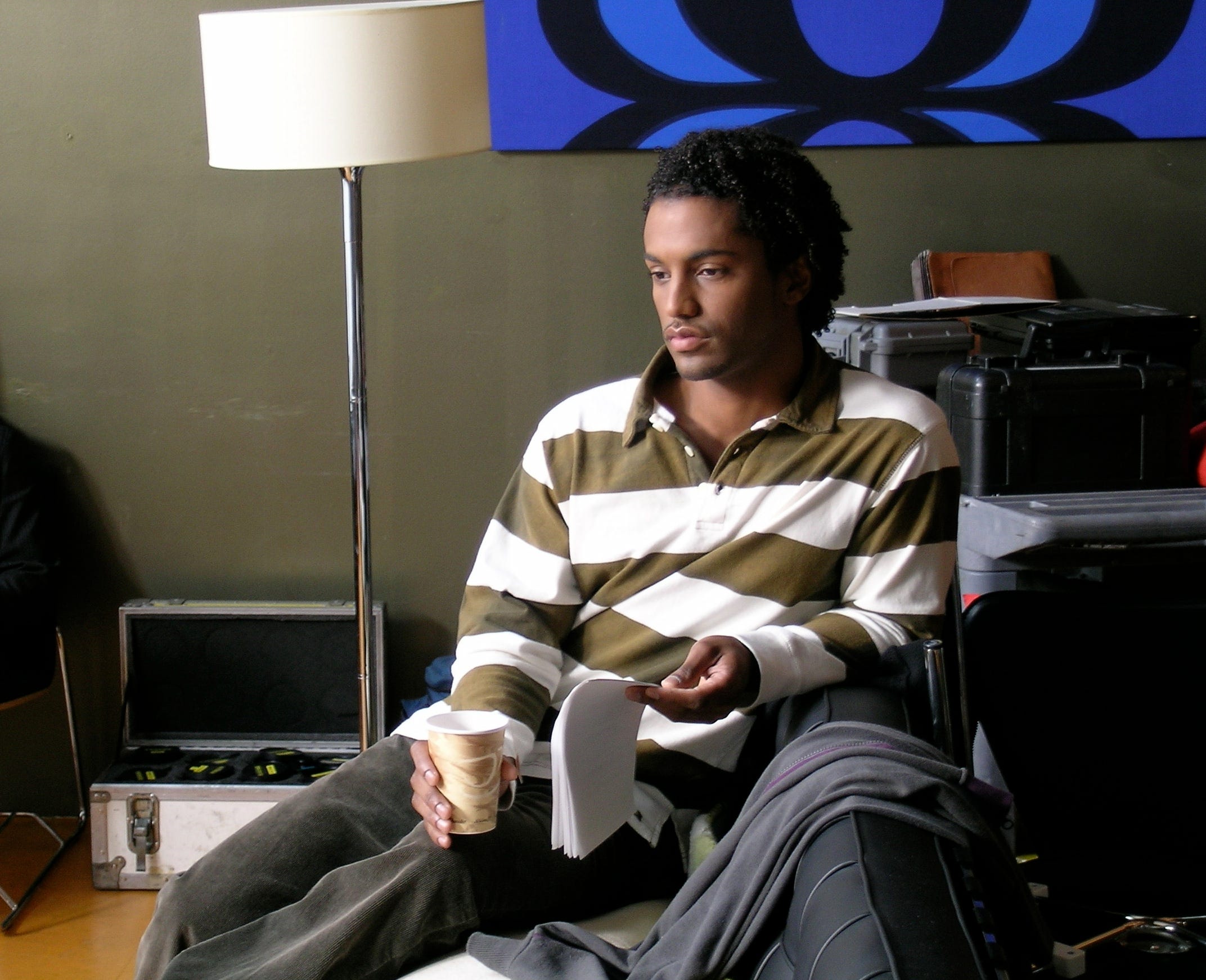
DARRYL STEPHENS, “ANDREW”: I’m almost sure I was wearing that olive green-and-white striped shirt for some reason. I don’t know why, but I remember being in that costume and being like, “We’re on the set. It’s happening. We’re doing it.”
DEREK MAGYAR, “X”: Eek. The reason I remember is because it was very difficult to tap into the bench scene in the rain with Blondie [George Jonson]. And it was very difficult because I hadn’t warmed up to the character yet, and I hadn’t really found it. To start on that scene on the bench was very difficult. But that was the first scene! That was the first thing we shot. That’s, like, the end of the movie.
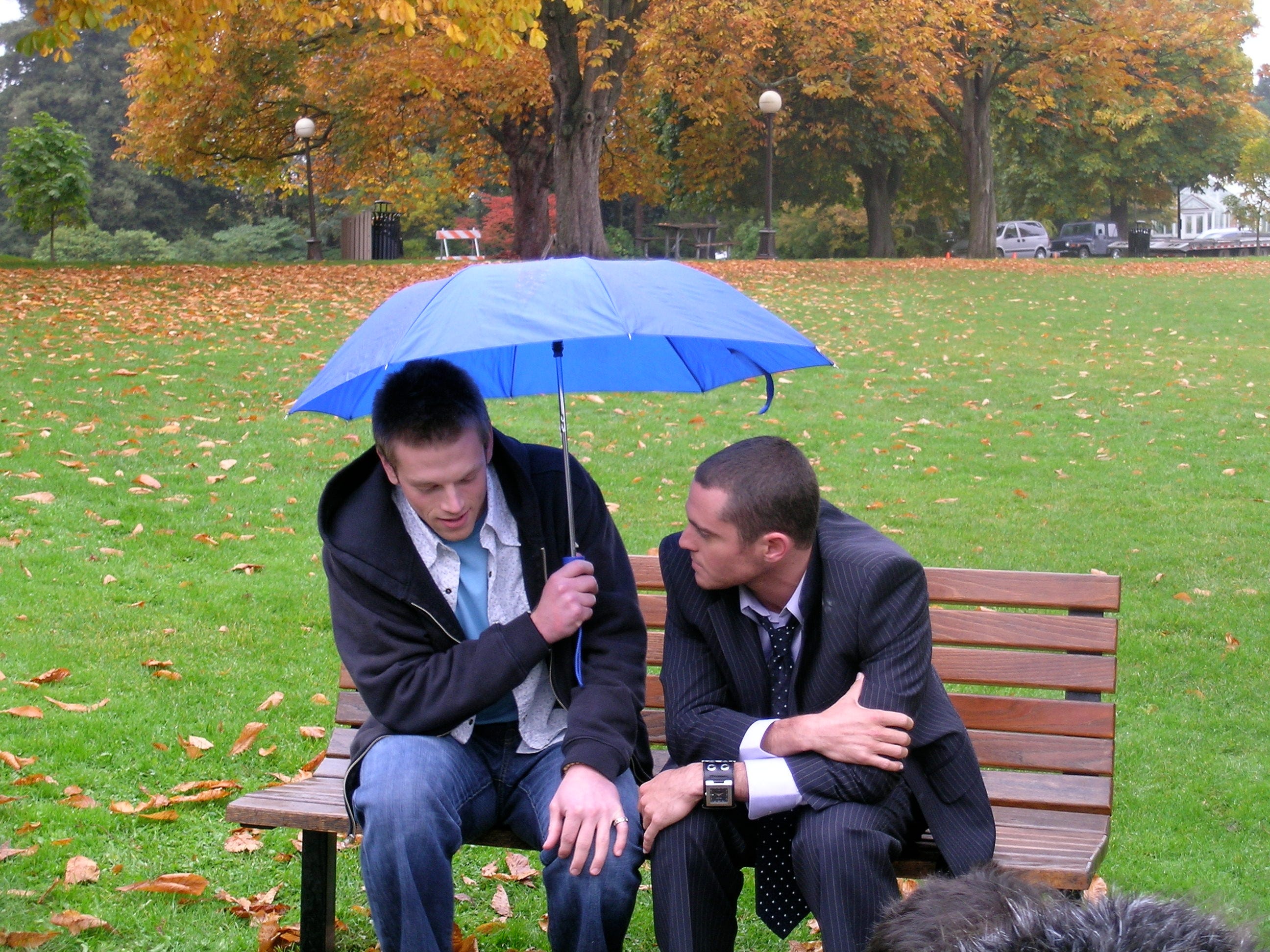
Q. ALLAN BROCKA, DIRECTOR & WRITER: Volunteer Park was where we shot all the park scenes. It was raining, but it was part of the script in Seattle, so we planned for that — any outdoor scene could potentially be rainy.
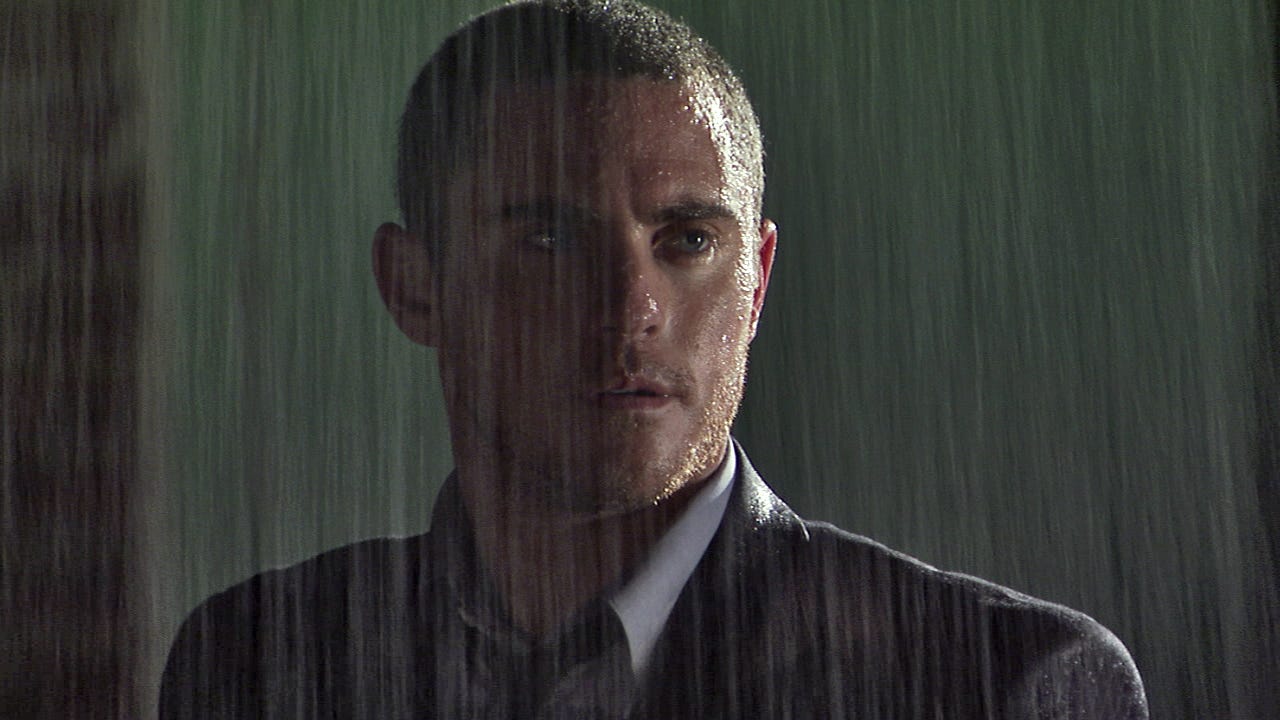
MATTHEW RETTENMUND, AUTHOR: The scene where X, in voice-over, says, “I don’t look quite pathetic enough,” and rain suddenly begins to fall — that had to have been movie magic, right?
Q. ALLAN BROCKA, DIRECTOR & WRITER: It actually was raining, but it wasn’t showing on camera, so we had to add it. That was Philip Pierce or Stephen Israel standing off to the side with a hose.
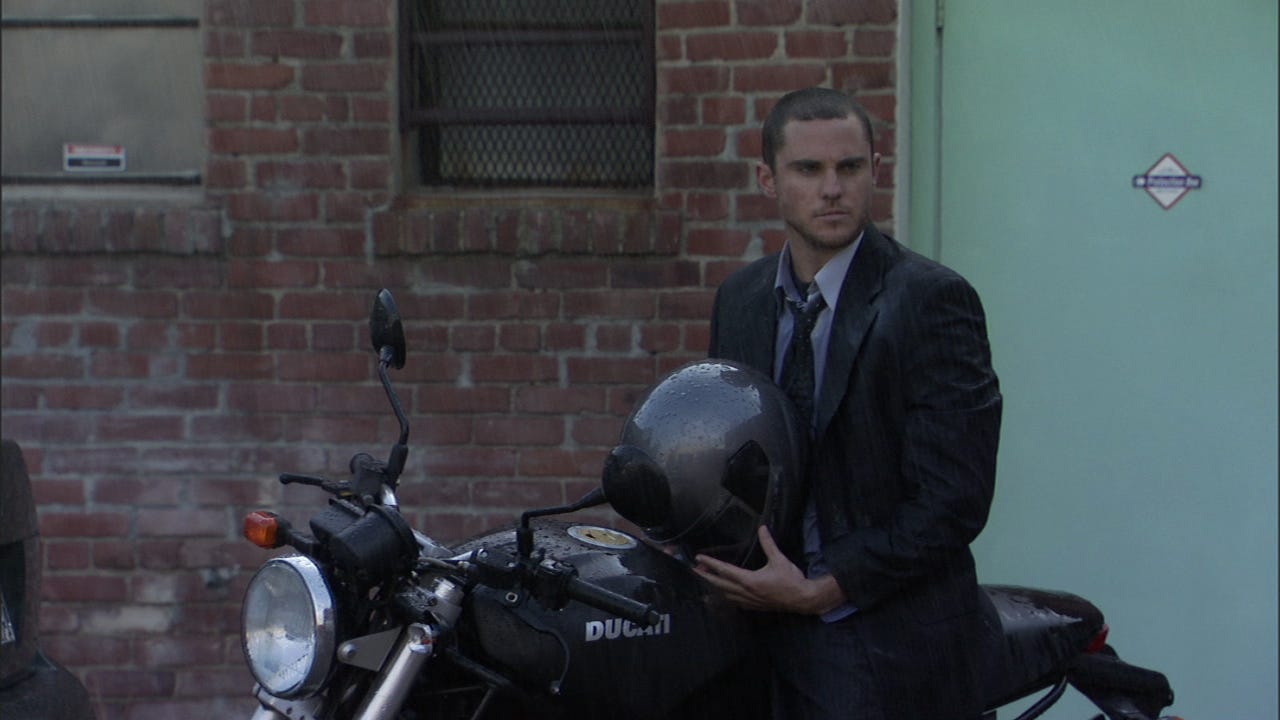
STEPHEN ISRAEL, PRODUCER: I had the hose. We shot that as a pickup shot in L.A. and we were in an alley behind I think the old Slamdance offices. We had Derek on his motorbike and me with a hose.
PHILIP PIERCE, PRODUCER & WRITER: And that became one of the more beautiful photographs from the film somehow.
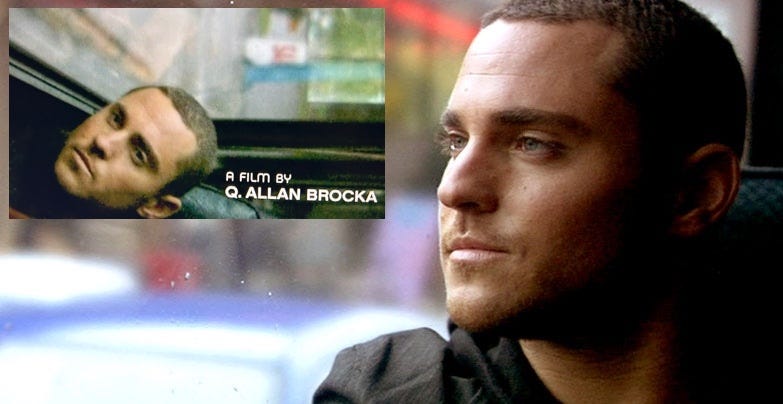
The film opens with an arresting sideways shot of X riding a bus that sort of announces Boy Culture will have more in common with an indie arthouse film than with Allan’s Eating Out.
PHILLIP J. BARTELL, EDITOR: The first stuff I saw was X on the bus. It was the sequence of Derek as X making eye contact with that guy [Blondie] on the bus.
DARRYL STEPHENS, “ANDREW”: I did not know about that opening scene where X is sideways, leaning on the bus window … didn’t expect that.
DEREK MAGYAR, “X”: I could tell Allan was really special, but in terms of the visual language, I didn’t know what he was doing until I started to see playback.
PHILLIP J. BARTELL, EDITOR: At first, I was like, “Wait, is this — did something get screwed up? It’s sideways.” Then I saw X’s footage and saw that he was kind of leaned over and I was like, “Cool POV. Great way into the movie.” I knew this wasn’t going to be just, you know, your typical gay [film].
PHILIP PIERCE, PRODUCER & WRITER: I remember we were trying to decide whether it worked or not and I think I went into the studio with Allan and I thought it was great.
Q. ALLAN BROCKA, DIRECTOR & WRITER: The opening shot just came because … when we reset in Seattle for the budget, I got more comfortable with putting in moments of my experience being a twenty-something there. That’s how I rode those buses in Seattle. I would just always kinda lean that way, look out the window and kinda watch everything sideways. And when it started with him on a bus, I was like, “Let’s do that point of view and just get into his head right away.”
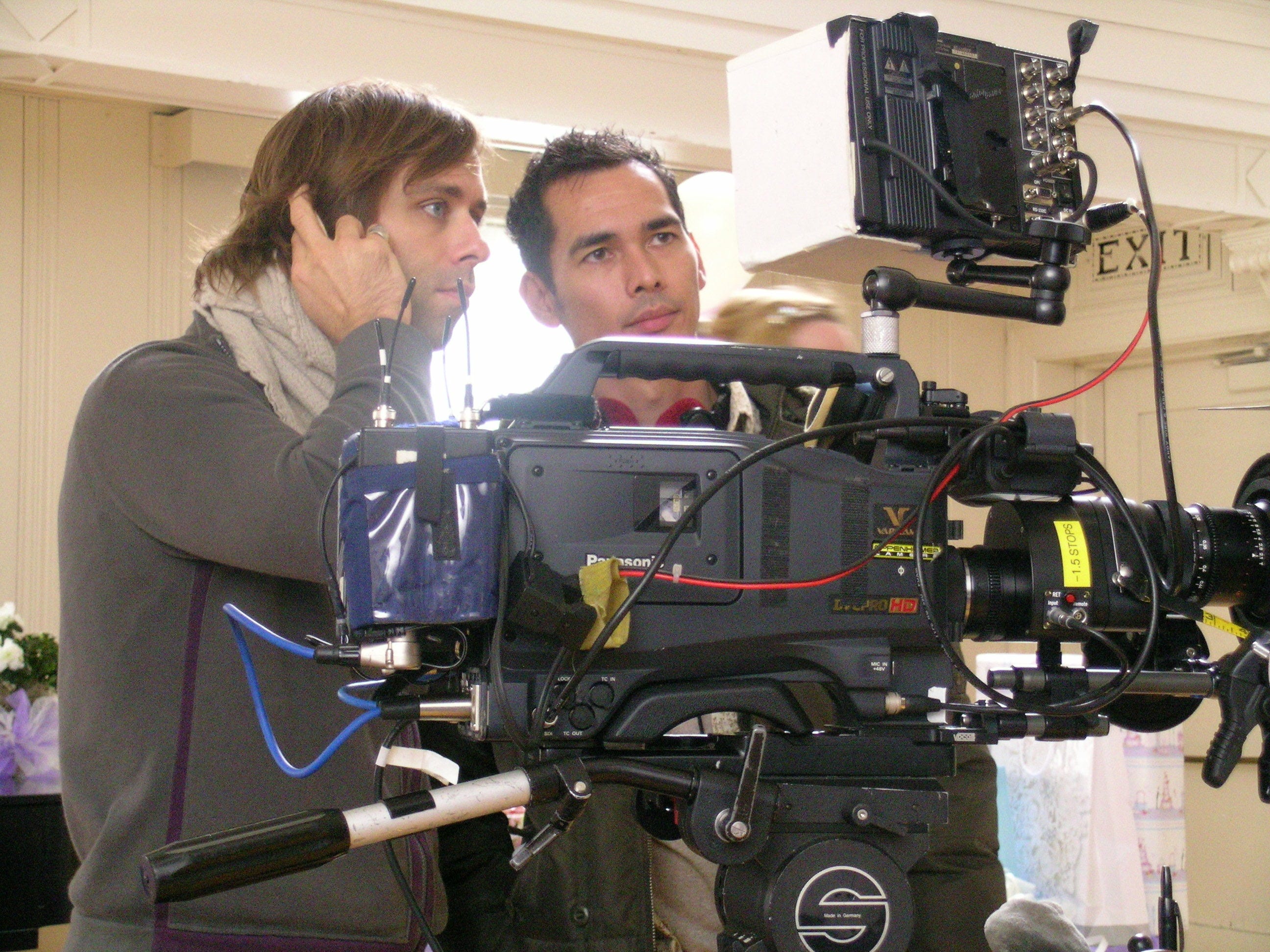
DEREK MAGYAR, “X”: I could also tell that [cinematographer] Joshua Hess was special. I could tell that the crew was special, [line producer] Jenny Hinkey was special.
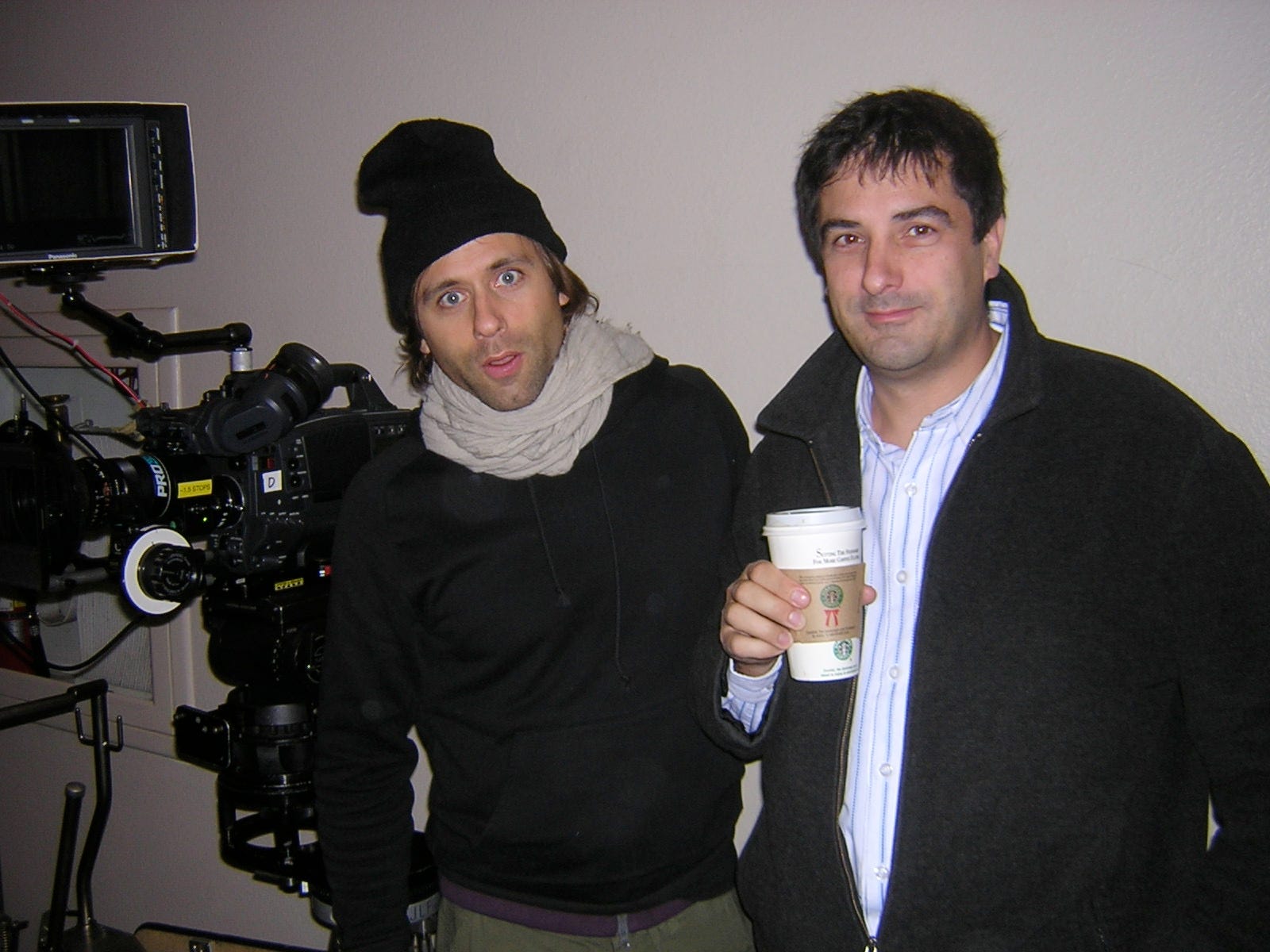
STEPHEN ISRAEL, PRODUCER: I think, with the look of it, it was putting together a really good crew. I think the lynchpin of that was Jenny, who was a line producer that I had met. We’d been talking over the years about doing something together, but it was more when she was working in development. When she became available as a line producer, she spent many years in the Seattle area and she had a lot of contacts with crew up there and she just knew the area, knew the location, knew exactly where we needed to do all the stuff. The combination of Jenny plus a top-notch DP like Joshua drove the quality of the film.
DEREK MAGYAR, “X”: Allan had a very clear visual tone and language to tell this story that I think worked perfectly.
JONATHON TRENT, “JOEY”: We were all very aware and almost mystified with the level of artistry that Allan was putting into all these shots.
DARRYL STEPHENS, “ANDREW”: The sets were all beautiful.
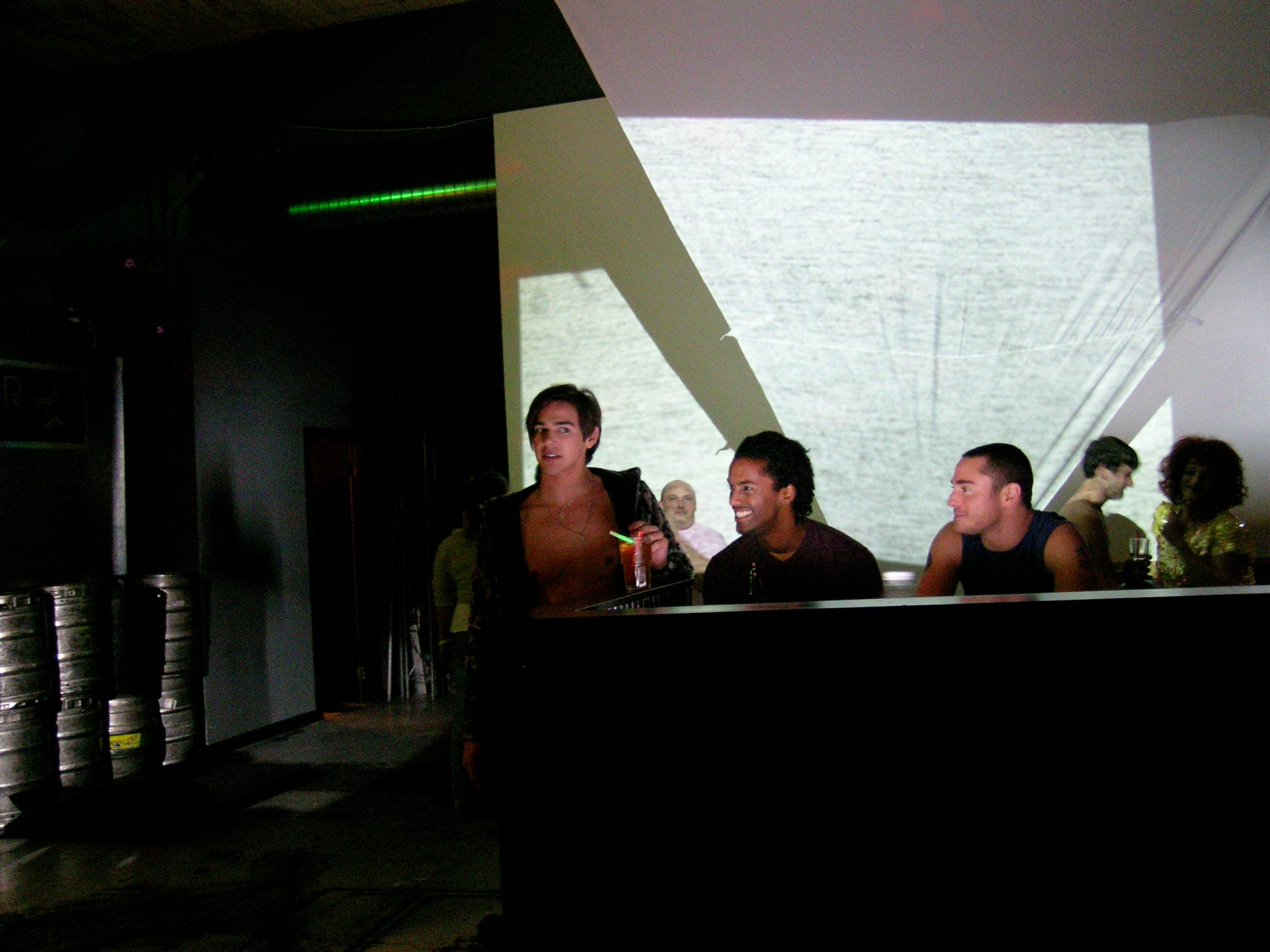
STEPHEN ISRAEL, PRODUCER: One of the bigger rules for when you work on a low budget like this is you have to let the locations themselves do most of the heavy lifting. They need to come pre-dressed.
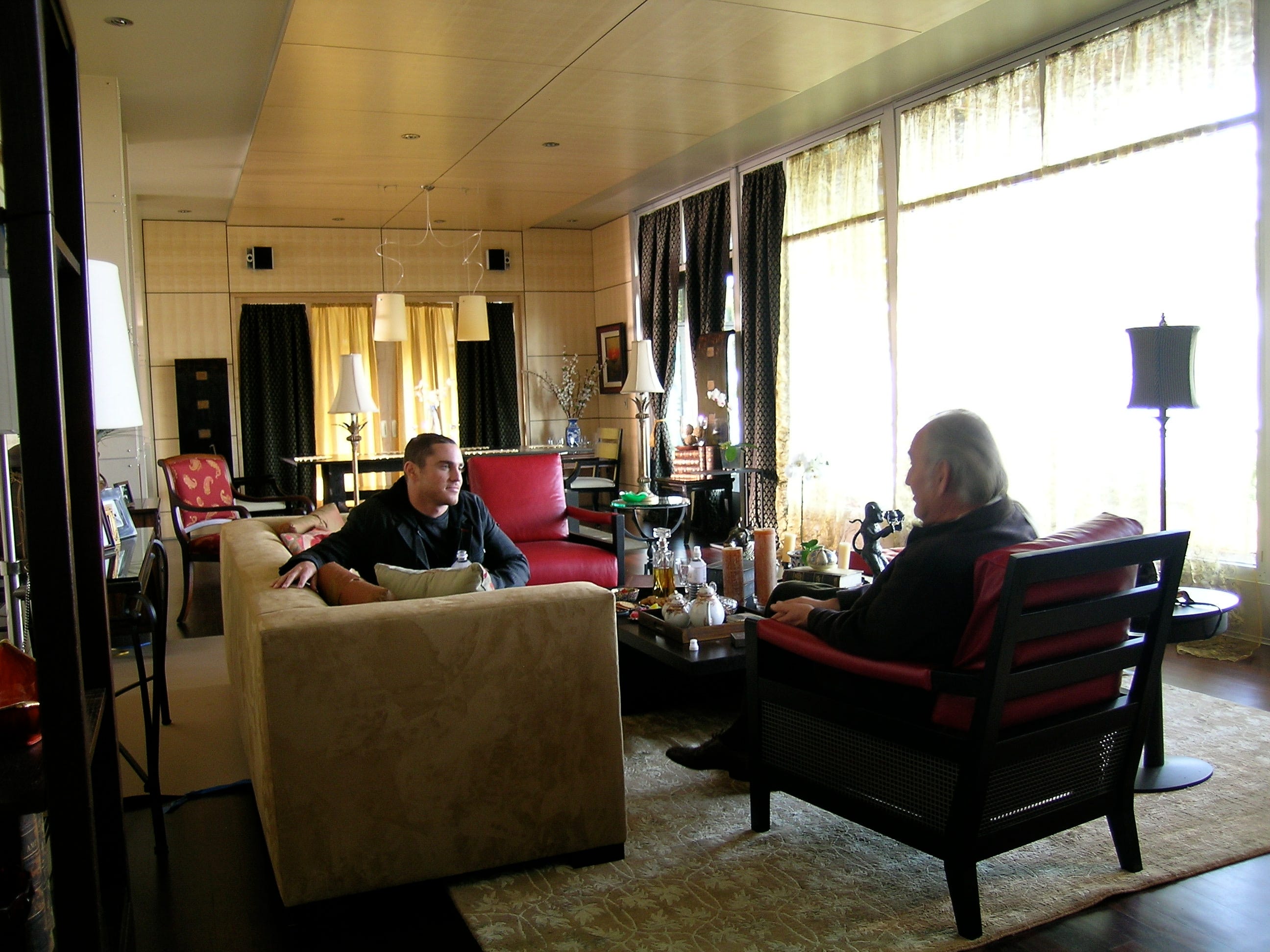
MATTHEW RETTENMUND, AUTHOR: I loved the apartments in the film.
PHILIP PIERCE, PRODUCER & WRITER: I actually still I have the curtains.
STEPHEN ISRAEL, PRODUCER: The curtains, which were I think 15% of our entire art department budget, those damn curtains. I also remember a massive purchase from Target for Andrew and X’s apartment. We assembled the furniture, took everything out of its boxes, shot the scenes … and then very carefully packed everything up and returned it.
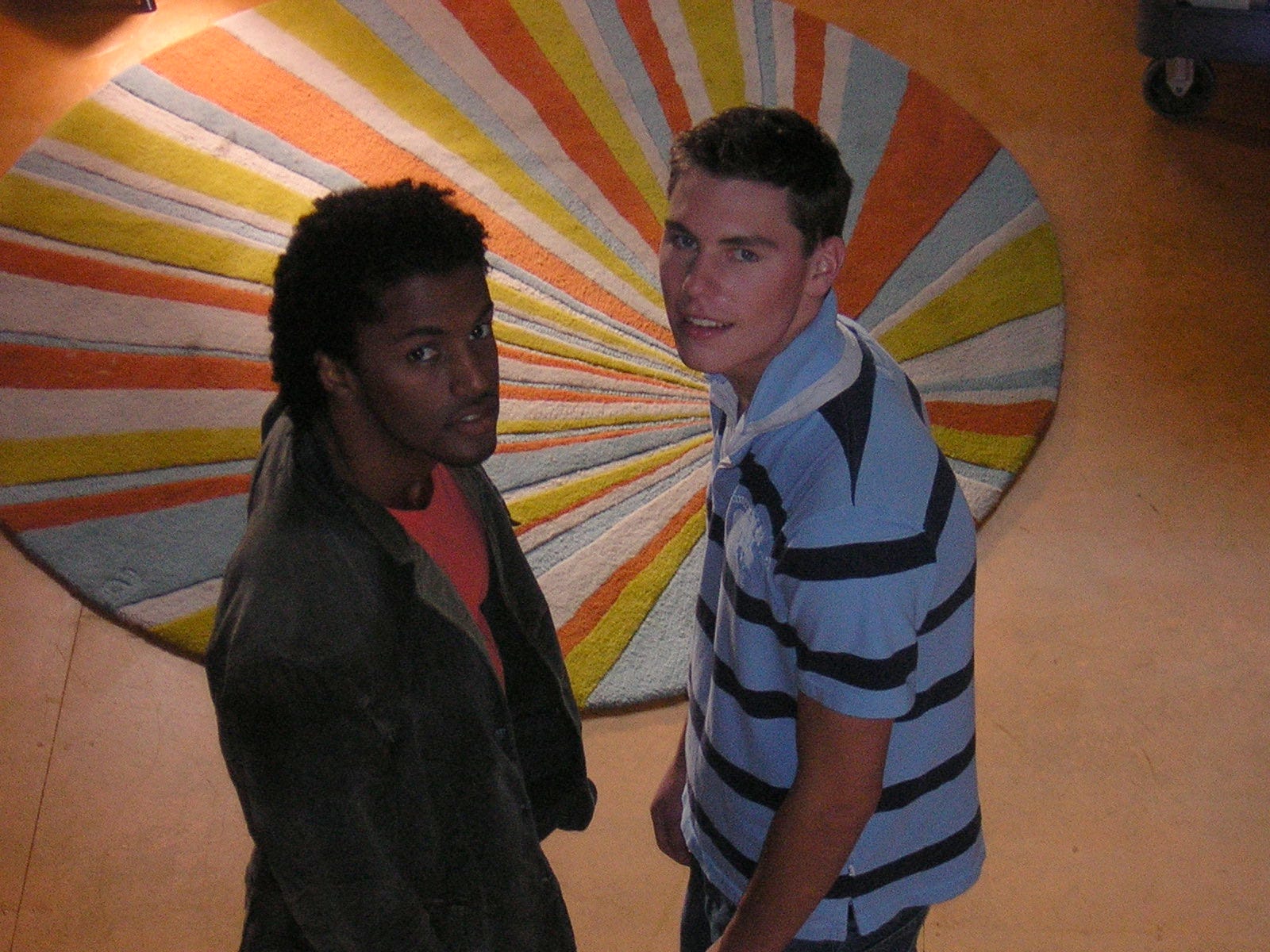
MATTHEW RETTENMUND, AUTHOR: I like the shot of Andrew making out with a guy as seen from X’s POV above. There’s this wild rug that frames them.
Q. ALLAN BROCKA, DIRECTOR & WRITER: Our production designer [Cecil Gentry] picked it out and it wasn’t anything planned until I got up there and looked down and I’m like, “This looks cool.”
DARRYL STEPHENS, “ANDREW”: There were conversations around the shade of my makeup because the cinematographer was doing these blue filters, and if my makeup matched my actual skin color, I’d end up appearing purple in the movie. So Shannon was tasked with using a foundation on my face that if you saw me walking down the street, you’re like, “Why is his face that color? That’s not good makeup.” But then you watch the movie, it doesn’t stand out.
The film may look expensive, but let’s not forget it was shot on a shoestring, unlike the 2010 Cher/Christina Aguilera flick Burlesque, in which Jonathon later appeared.
JONATHON TRENT, “JOEY”: I definitely worked on sets that were way more bare-bones, and I’ve seen the big Hollywood machine at its peak … Boy Culture felt like it was a perfect balance of having everything that was needed without the kind of outlandish indulgence that Hollywood can sometimes have.
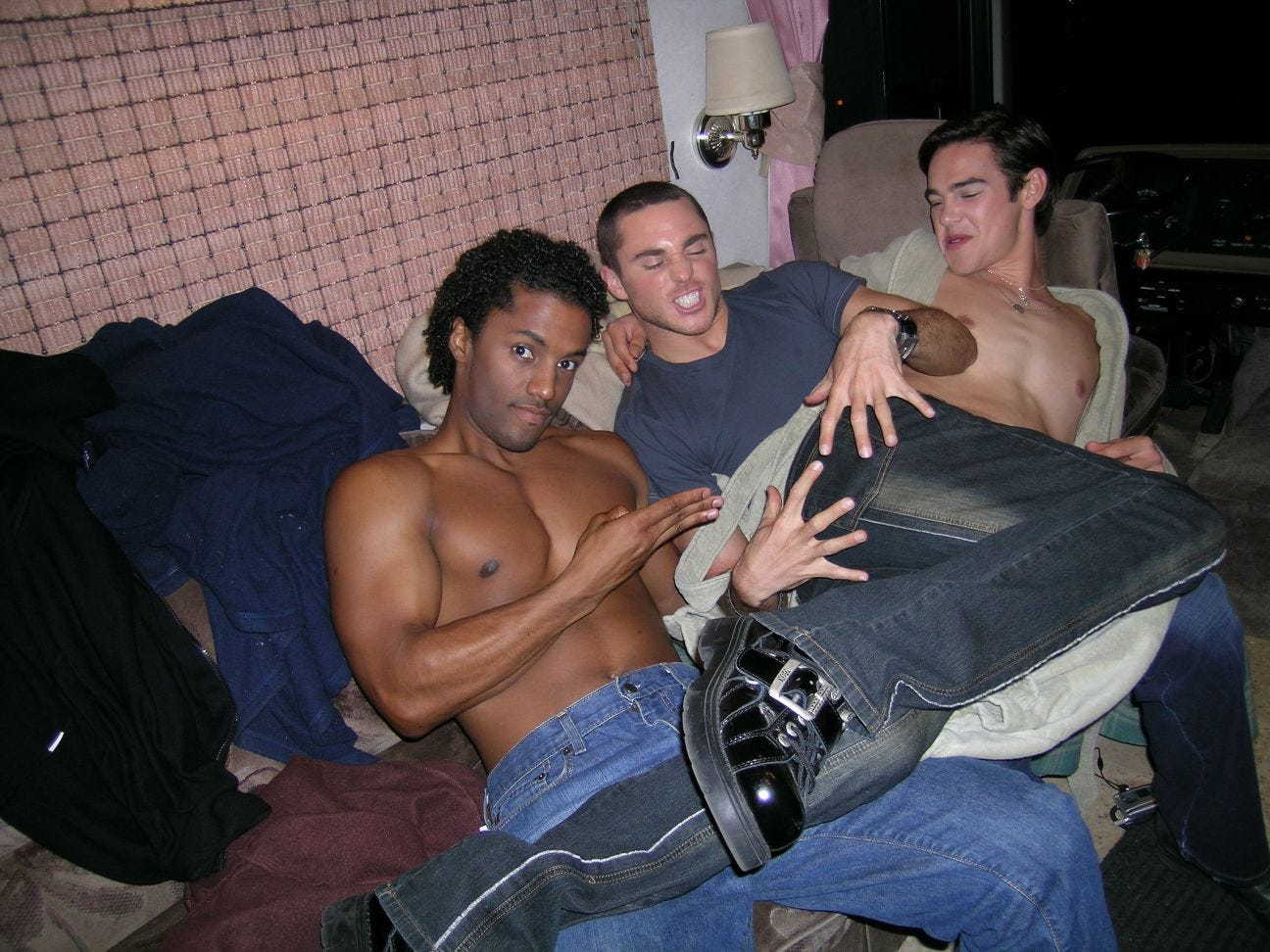


DARRYL STEPHENS, “ANDREW”: It wasn’t like each actor had their own trailer. There was one big trailer and we all sat in it when we weren’t shooting. And this probably was actually useful when we had to run scenes or Allan needed to come find the actors and we were all sitting in that one trailer.
I didn’t remember this until I saw a picture of us in that trailer, the three of us in that trailer that you see on the shelf in Boy Culture: Generation X, but there was an actor who was like, “Where’s my trailer?”
DEREK MAGYAR, “X”: It fit that we were all in one trailer, kind of a Winnebago-like space, that we would all hang out in in-between takes. It furthered our bond.
“Made Ya Look” — Nudity & Sex in a Time Before Intimacy Coordinators
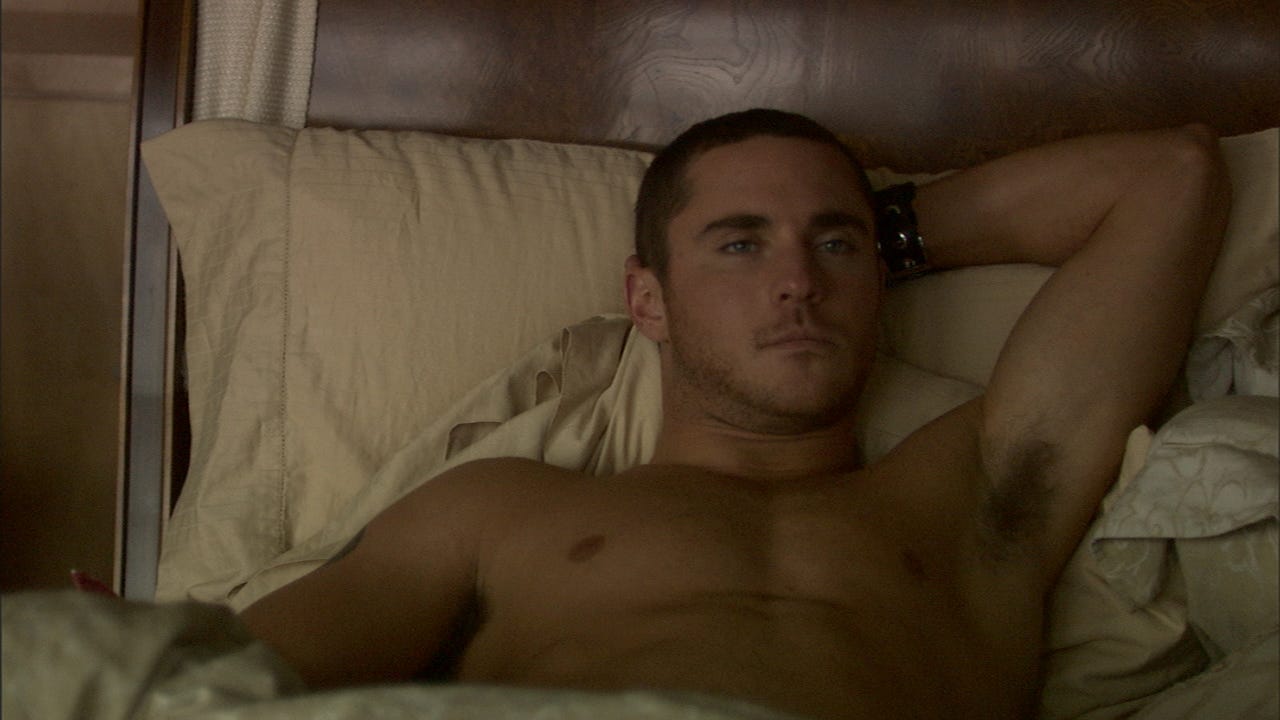
The film has far less nudity than most gay features, but the filmmakers got all three leads to show various amounts of skin and everyone to lock lips, never letting the audience forget what X did for a living. It can be challenging to find actors willing to bare more than just their souls for art’s sake.
Q. ALLAN BROCKA, DIRECTOR & WRITER: I had more difficulty with Eating Out because it was my first film and people were really sensitive to how graphically gay they had to be. So, that really inoculated me. Eating Out had full-frontal nudity, lots of simulated sex, a 16-minute blowjob scene — there was a lot going on. By the time I got to Boy Culture, I was like, “If you have any issue, don’t waste my time.” I told everyone, “There’s gonna be simulated sex, you’re gonna have to kiss guys. This is gay.”
DARRYL STEPHENS, “ANDREW”: I had done a couple of shorts for Noah’s Arc and two of them had nudity. What was my feeling on it? I think as long as I felt like it was gonna be not gratuitous and gross … [My only nude] scene [in Boy Culture] ended up being X checking out Andrew through the bathroom door while he’s taking a shower, right? Everyone takes a shower. The stuff I had to do in Noah’s Arc was definitely more difficult because I was up on somebody or on top of somebody.
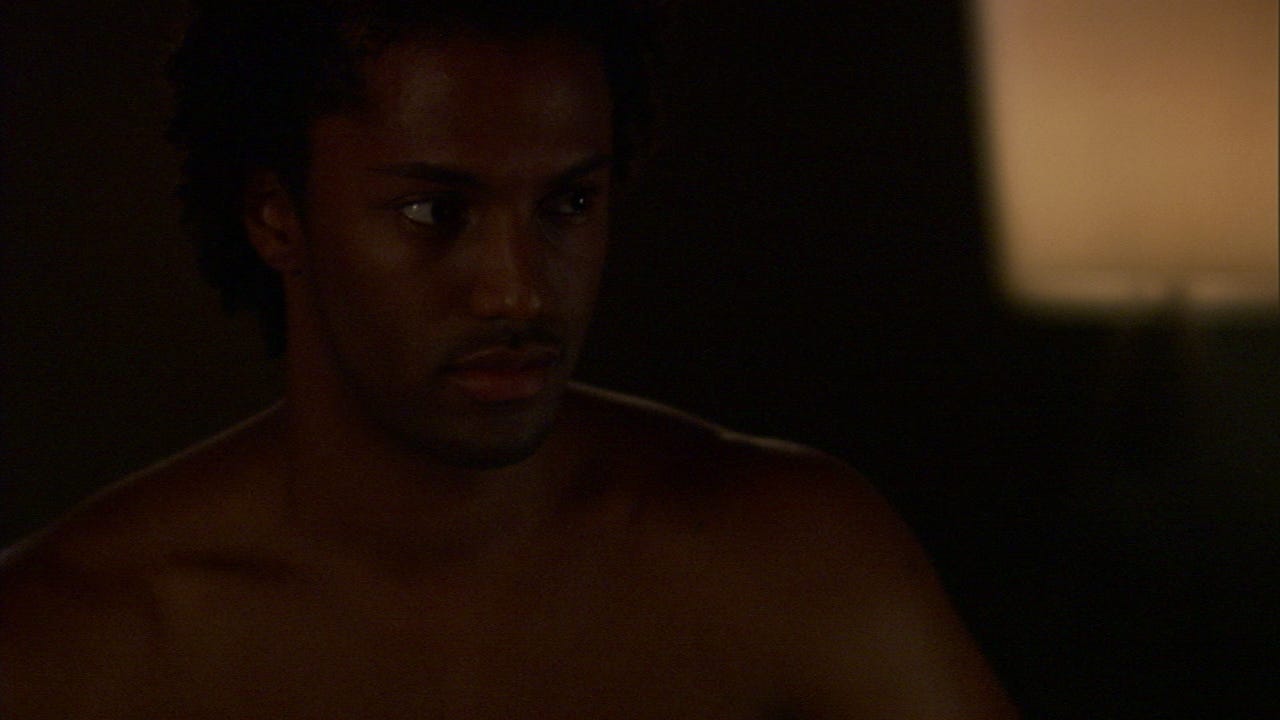
MATTHEW RETTENMUND, AUTHOR: Did you feel like a sex symbol making this? Because you’re presented that way.
DARRYL STEPHENS, “ANDREW”: No, I don’t think I’ve ever really felt that. Once you realize you’re sexy, you stop being sexy.
That year, I also played a stripper [in Another Gay Movie] … It’s being hot, basically. So, I did sort of recognize that people were seeing my body and responding to it. The other thing is I had done lots of theater in college. I’d done things in loincloths … I did not feel like I was gonna go down a very sexy route. I probably ended up being sexier [in my career] than I planned to be, I guess is what I’m saying. I didn’t see that being the bread and butter, but it did sort of have its moment. My little physique did have its moment in gay cinema.
PHILIP PIERCE, PRODUCER & WRITER: Darryl — you couldn’t take your eyes off of him.
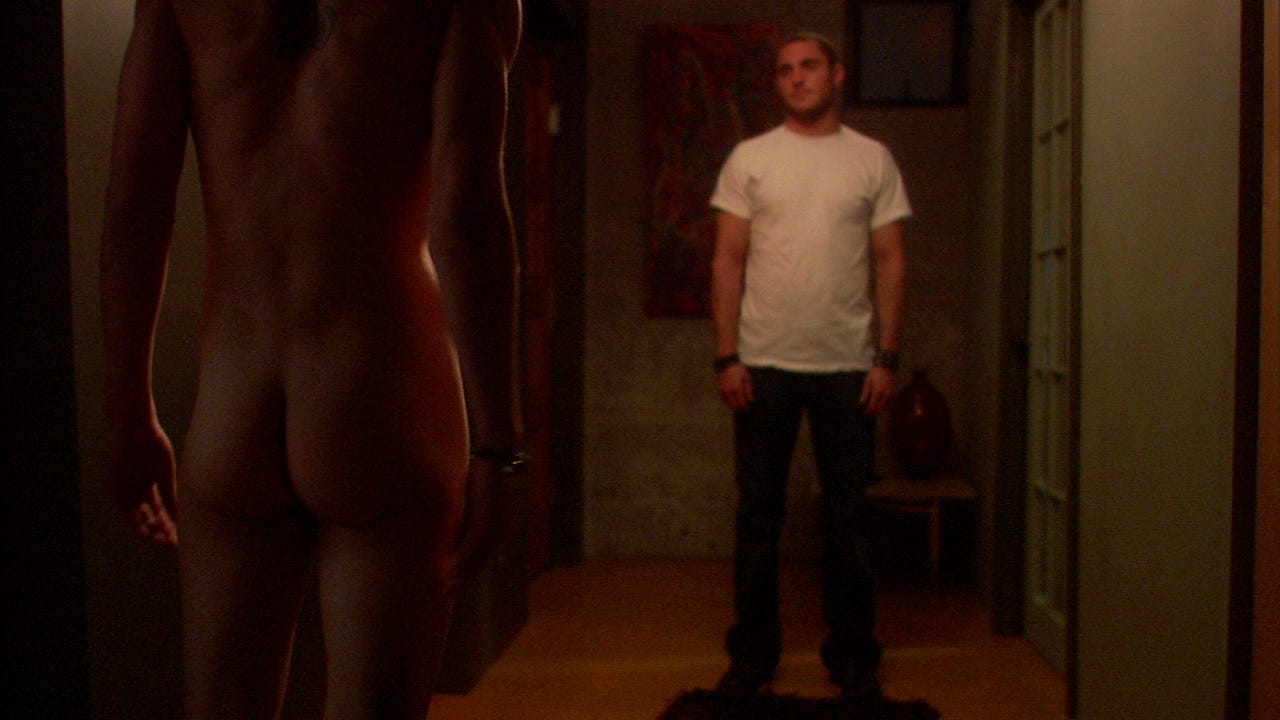
JONATHON TRENT, “JOEY”: I had two different scenes, if I remember correctly. One is at the door where I just dropped trou and it’s filmed from behind, and I think I had a codpiece on so I’m never really exposing the front part of myself. But the backside — I didn’t have any issues with that.
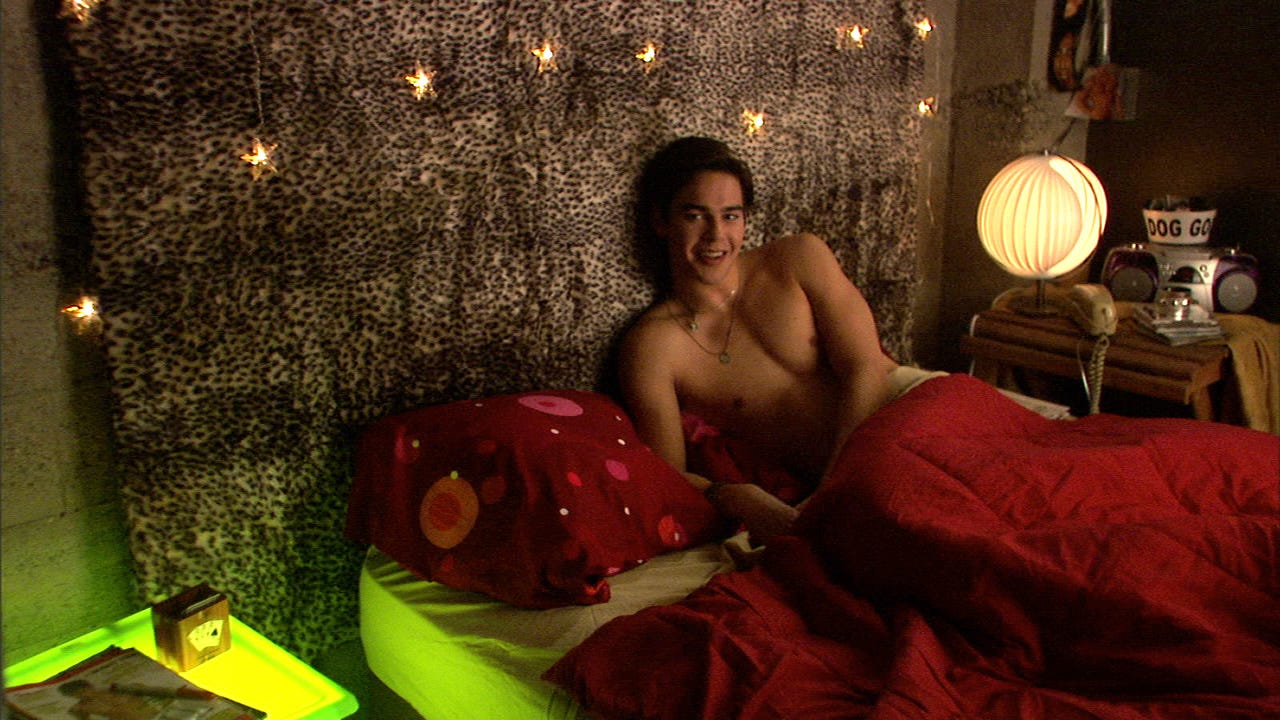
But the second time, I’m in bed and I think I’m trying to seduce X. And that was challenging. And I think it was challenging photographically, and also maybe partly realistically, because I didn’t understand how I needed to move my body. Allan was like, “Well, you kinda gotta arch your back more,” and I was like, “Huh?” We got through it and I felt very safe.
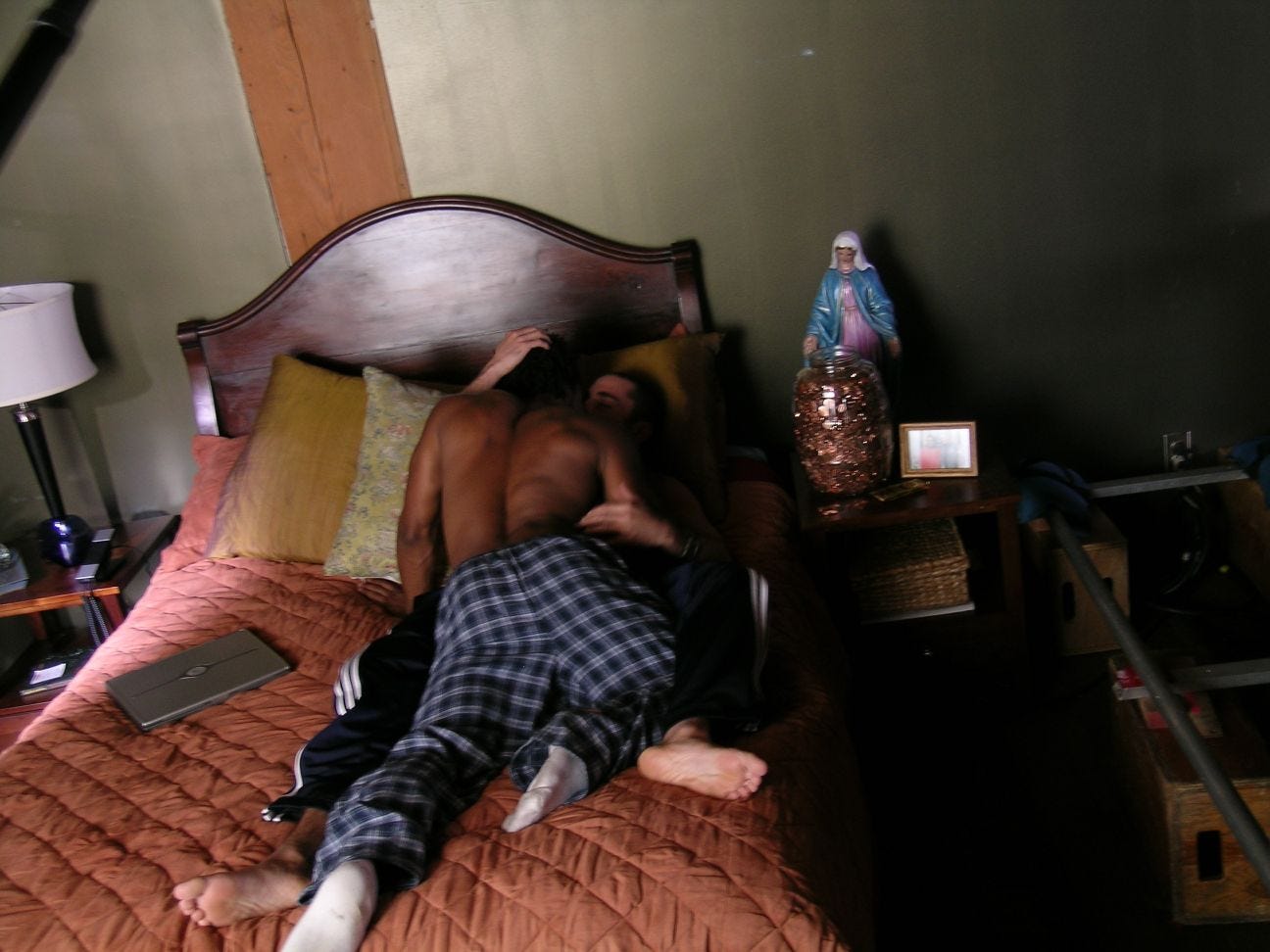
DARRYL STEPHENS, “ANDREW”: There was no weirdness about any of that stuff where there could have been. The kissing stuff, I thought, was way better than it should have been … Derek was a good kisser.
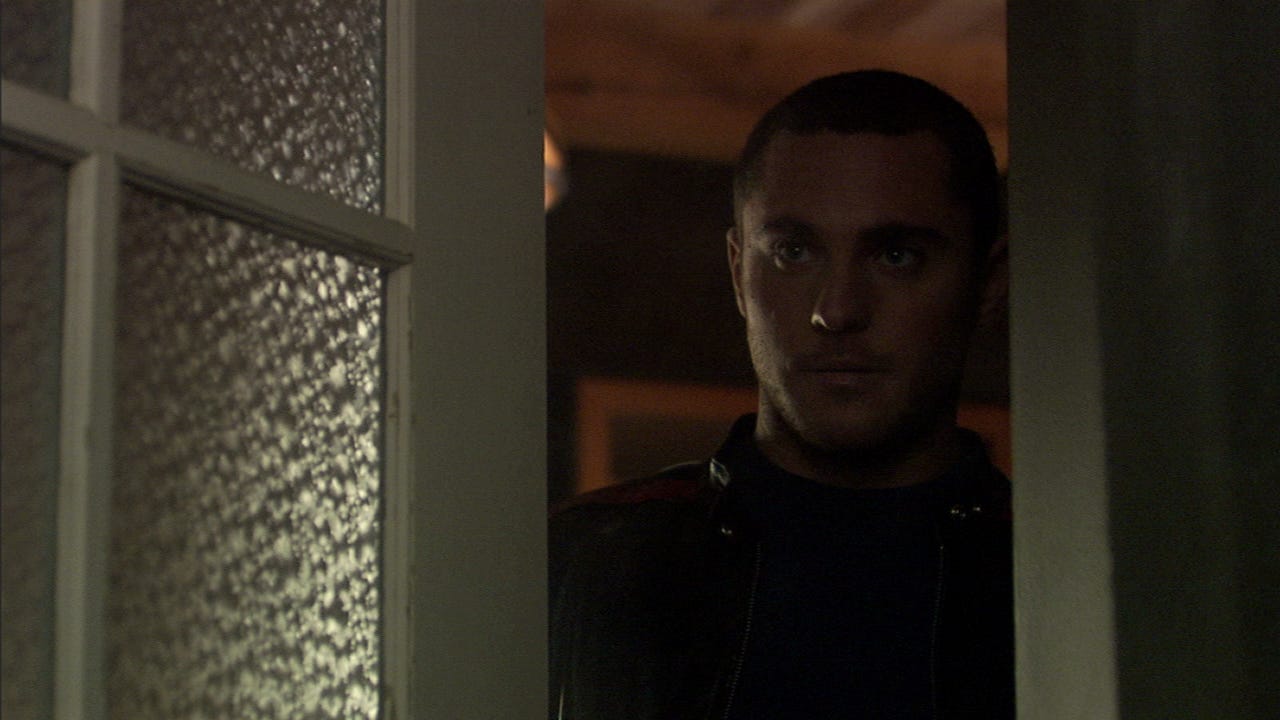
One thing absent from the Boy Culture, in stark contrast to Eating Out, is a straightforward nude shot of its star. As scripted, the audience was supposed to see X’s bare butt toward the end, at the same time they finally see the course X and Gregory’s romance ultimately takes. But if X objected to kissing — very Klute — Derek stood on business in arguing that more than implied nudity was not required.
Q. ALLAN BROCKA, DIRECTOR & WRITER: I don’t want to throw Derek under the bus, but he we had issues with this. His [scripted nude] scene was tough. We weren’t able to accommodate it in a way that made him comfortable.
DEREK MAGYAR, “X”: I think there was a little bit of discussion about what it was gonna be with Patrick on the couch before we went to the bed, but I never felt like I was pushed to do anything.
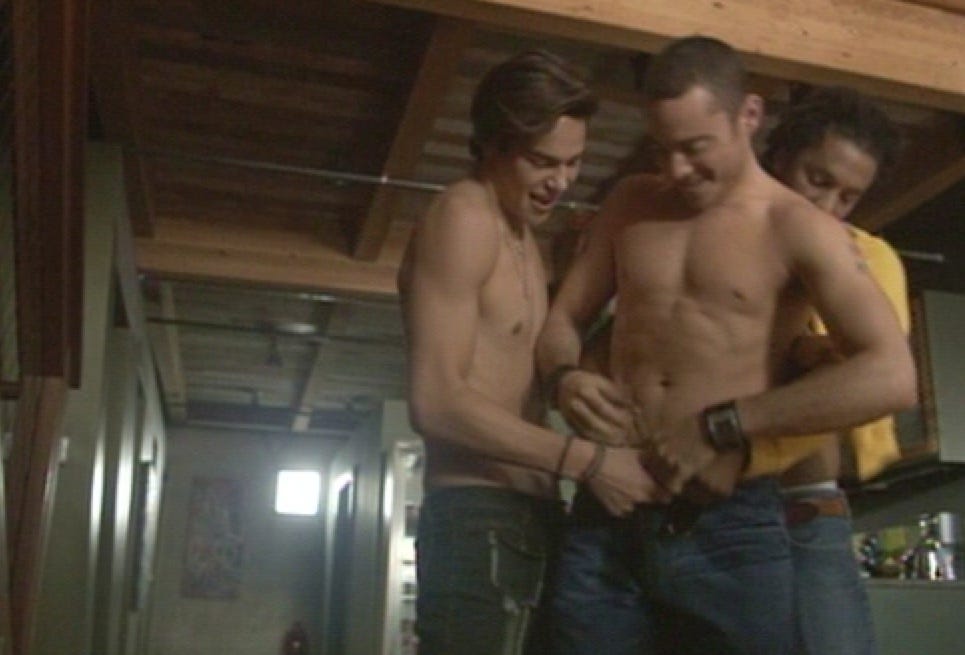
Q. ALLAN BROCKA, DIRECTOR & WRITER: It was rear nudity. There was no frontal nudity involved at all. It didn’t feel like [frontal nudity] was gonna move the story in any way, and I didn’t think we needed it. But there was rear nudity, and that’s where we had that kind of issue. It was filmed …
DEREK MAGYAR, “X”: I don’t think it fit for X’s character to show off in that way. I think it felt more correct, especially in that scene, for it to be sensual as opposed to it being just outright sexual, which obviously is part of it, but … once they’re entering the bedroom, it’s much more like they’re kissing. There’s a little bit of partial nudity, a little butt cheek here, but that’s nothing.
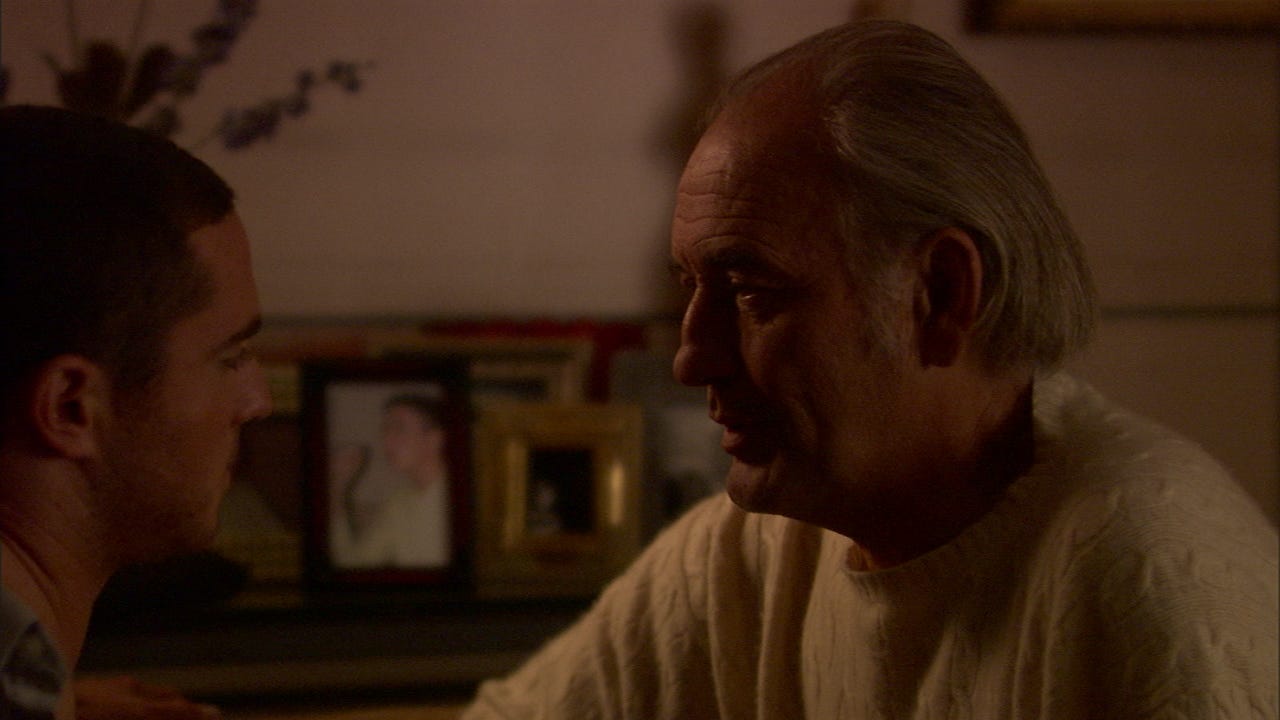
PHILIP PIERCE, PRODUCER & WRITER: Although Patrick had almost no limitations. He kind of whipped off everything and he was kinda like, “Okay — here.”
Even if Derek didn’t go full-frontal or full-backal, he did show plenty of skin.
DARRYL STEPHENS: Derek was down the hall [from me in the hotel]. At some point, he had a [partial] nude scene. He needed to borrow my clippers for, you know, to clean up his areas. And I was like, “Sure, you can use my clippers.” I should clarify: I did not help him with the clippers. I just handed them to him in the hallway and he walked down the hall.

One of the film’s most explicit scenes — devoted to X masturbating after having sex with a client as a way to cleanse himself, like “an eraser” — was more artful than prurient, filmed in such a way as to make him seem like he was levitating while in the throes of self-imposed ecstasy.
Q. ALLAN BROCKA, DIRECTOR & WRITER: The masturbation scene was one of the ones I was really excited about.
DEREK MAGYAR, “X”: I love that scene.
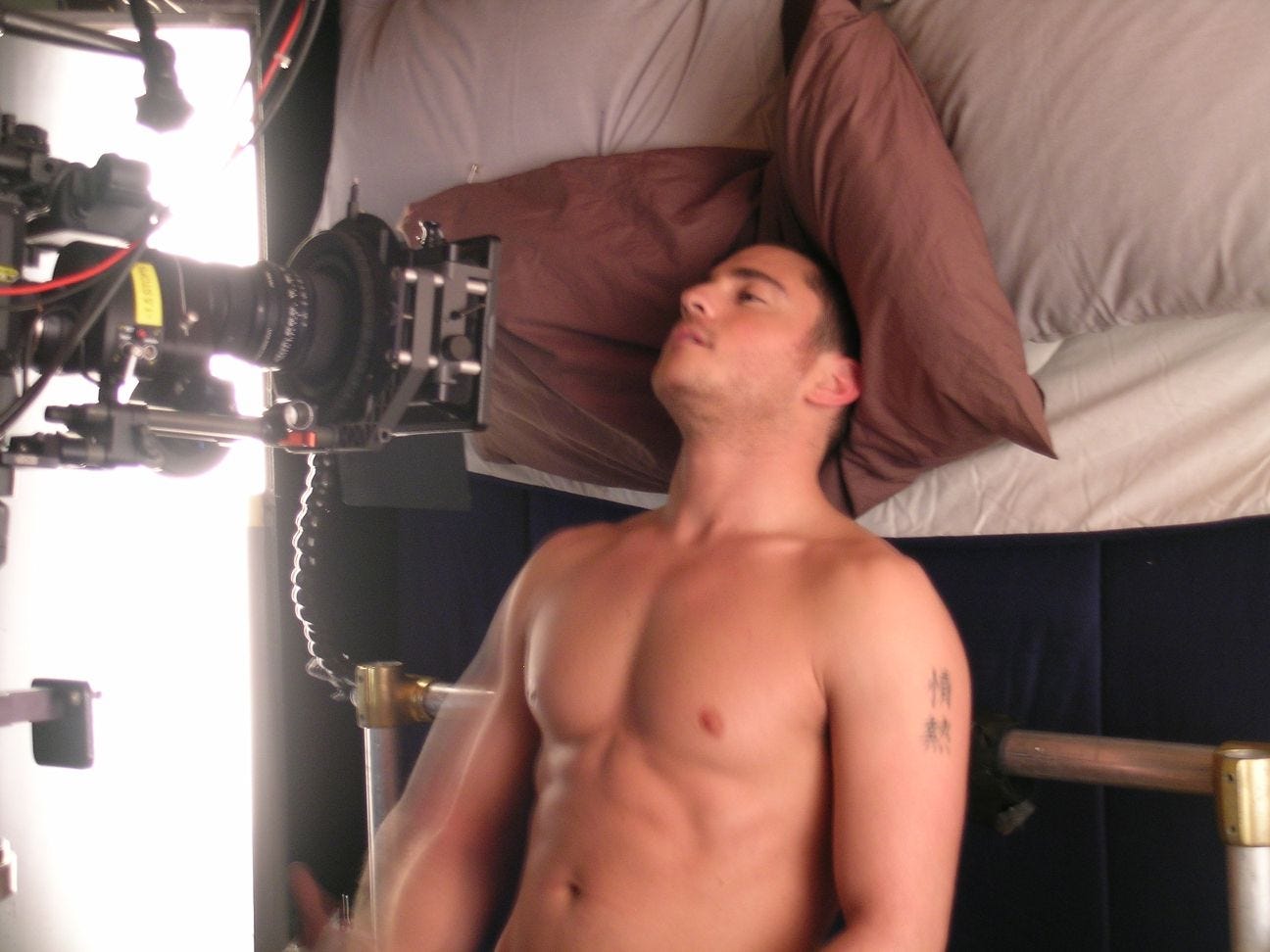


Q. ALLAN BROCKA, DIRECTOR & WRITER: I wanted a visual moment of an orgasm, right? Like, to show the intensity, I thought X rising off the bed would be really cool. The producers didn’t realize what I meant by that in the script until we were there on the day. They’re like, “There’s no time. How are you gonna do that?” I said, “It’s super easy. Just trust me.”
DEREK MAGYAR, “X”: I remember I had sort of a belt around me on a dolly and the bed was behind me.
Q. ALLAN BROCKA, DIRECTOR & WRITER: We put the bed against the wall and the camera on a dolly. Derek is basically just standing against the bed on the dolly, and then we just dolly back with him and the camera, and then we dolly back. Simple. I would have loved a wide shot where we see him go up, but it wasn’t in the budget.
DEREK MAGYAR, “X”: It was very innovative and a smart way to get that shot done and have it have the weight that you really want it to have and the kind of power.
The film was made well before the current trend of hiring intimacy coordinators to ensure actors are comfortable in sex scenes. While Allan says there probably wasn’t as much concern about everyone’s boundaries as there should have been, he still feels good about the environment.
EMILY BROOKE HANDS, “LUCY”: I wanna be an intimacy coordinator. How do I get that job? That sounds so fun.
JONATHON TRENT, “JOEY”: There was a lot of safety.
PHILIP PIERCE, PRODUCER & WRITER: We did have a closed set for the more intimate scenes.
Q. ALLAN BROCKA, DIRECTOR & WRITER: I just described [the scene], we’d block it over the clothes without actual kissing and stuff like that so that everyone would know what was gonna happen and then we would do it. Now when I do a sex scene, I definitely ask what everyone’s boundaries are first. I definitely didn’t do that then because I didn’t know to. They were really respectful of each other. I don’t remember any awkwardness.
EMILY BROOKE HANDS, “LUCY”: Helps everything in the world when your director is not a scumball.
DARRYL STEPHENS, “ANDREW”: It didn’t feel overdone like it does feel sometimes when you’re watching stuff like Euphoria, for example, where I’m just like, “Wow, there’s so many boobies and buns.”
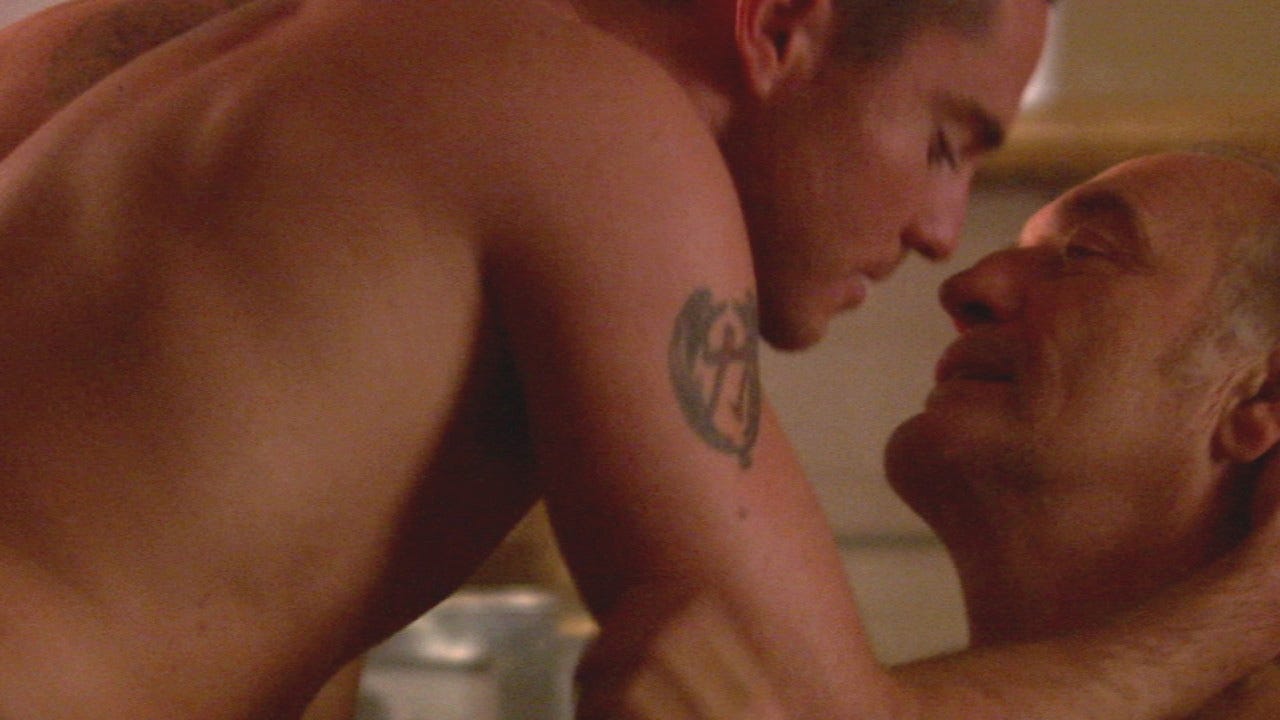
DEREK MAGYAR, “X”: Patrick made everything easy [in] the scene where X and Gregory are intimate with one another. It really just felt very easy to do.
PATRICK BAUCHAU, “GREGORY”: With Derek Magyar, I had a very easy relationship.
MATTHEW RETTENMUND, AUTHOR: It’s not a common sight in a gay film — a much older man and a much younger man going at it so passionately.
DEREK MAGYAR, “X”: It’s hard. I think you have to have trust between the two actors, you make sure that you’ve talked about it ahead of time, you’ve rehearsed it, and then in the scene — especially during those times — you kind of just go with what feels right. If it feels uncomfortable, you vocalize that it feels uncomfortable. But it never felt that way. I think we were very lucky. Everybody was on the same page and I don’t think anyone was trying to push the envelope in a way that was inappropriate or that didn’t work for the scene. Allan knew exactly what he wanted, and I think that having clear, specific understanding and choices makes it a lot easier. It was very fluid.
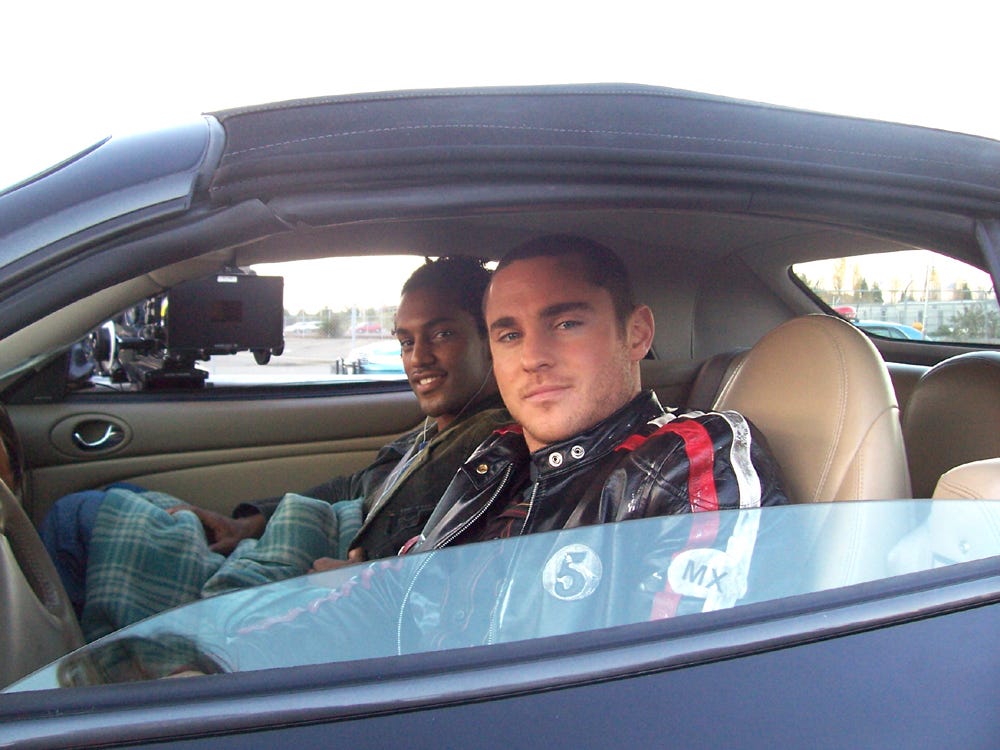
“Ever Been on a Road Trip?” — Meeting the Family at an Ex’s Wedding
The warmest part of Boy Culture arrives via Andrew and X’s road trip to Andrew’s ex-fiancée Jill’s (Peyton Hinson) wedding. We meet Andrew’s supportive middle-class family before enjoying watching the boys falling in love, resisting it and then screwing everything up against the backdrop of a hilariously earthy celebration.
Q. ALLAN BROCKA, DIRECTOR & WRITER: Whenever I would see families of queer characters of color in cinema, they were never accepting. “It’s cultural” would be the reason for it, but I’m like, “Well, not all [people of color’s] families are that way.” There are plenty of parents who are accepting, and we needed some examples of that.
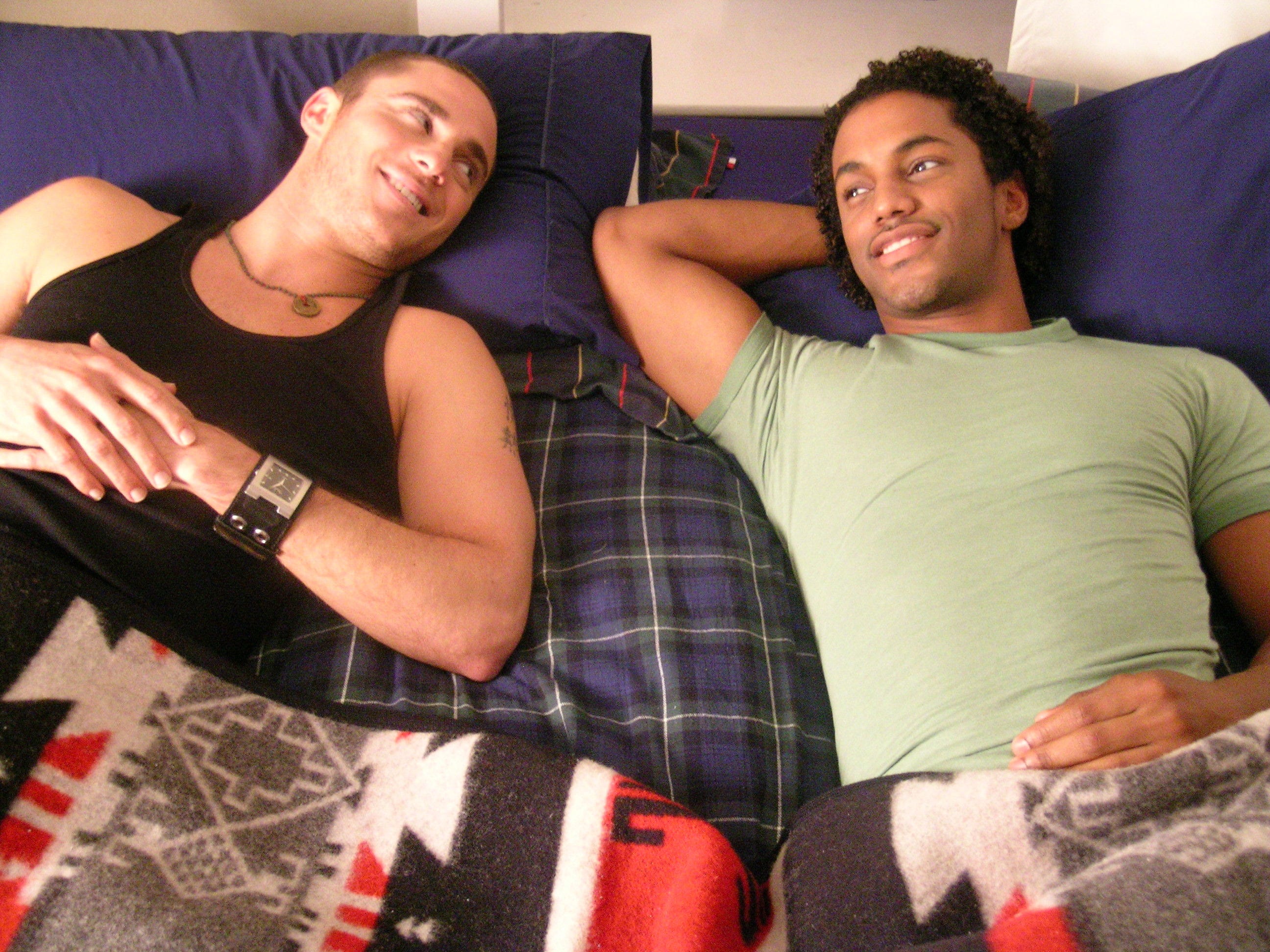
DARRYL STEPHENS, “ANDREW”: When we got to that part of the shoot, my body was breaking down. I think I had caught some flu or something and I was barely holding on. I do remember there are scenes when X and Andrew are in Andrew’s childhood bed. I couldn’t breathe! I was not well. But it was in those scenes that I was sort of recognizing, “Oh, this is kind of Andrew’s story, too.” You never met Noah’s family in Noah’s Arc. It’s a big deal to go home and meet somebody’s Black family. That does not happen in most gay movies, right? It felt significant even while we were shooting. I was the Black guy and we’re going home to meet my family.
Q. ALLAN BROCKA, DIRECTOR & WRITER: I kind of repeated myself. I did that with Rick & Steve as well — I made the Filipino parents of Rick very open and accepting, whereas the white parents of Steve are the homophobes.
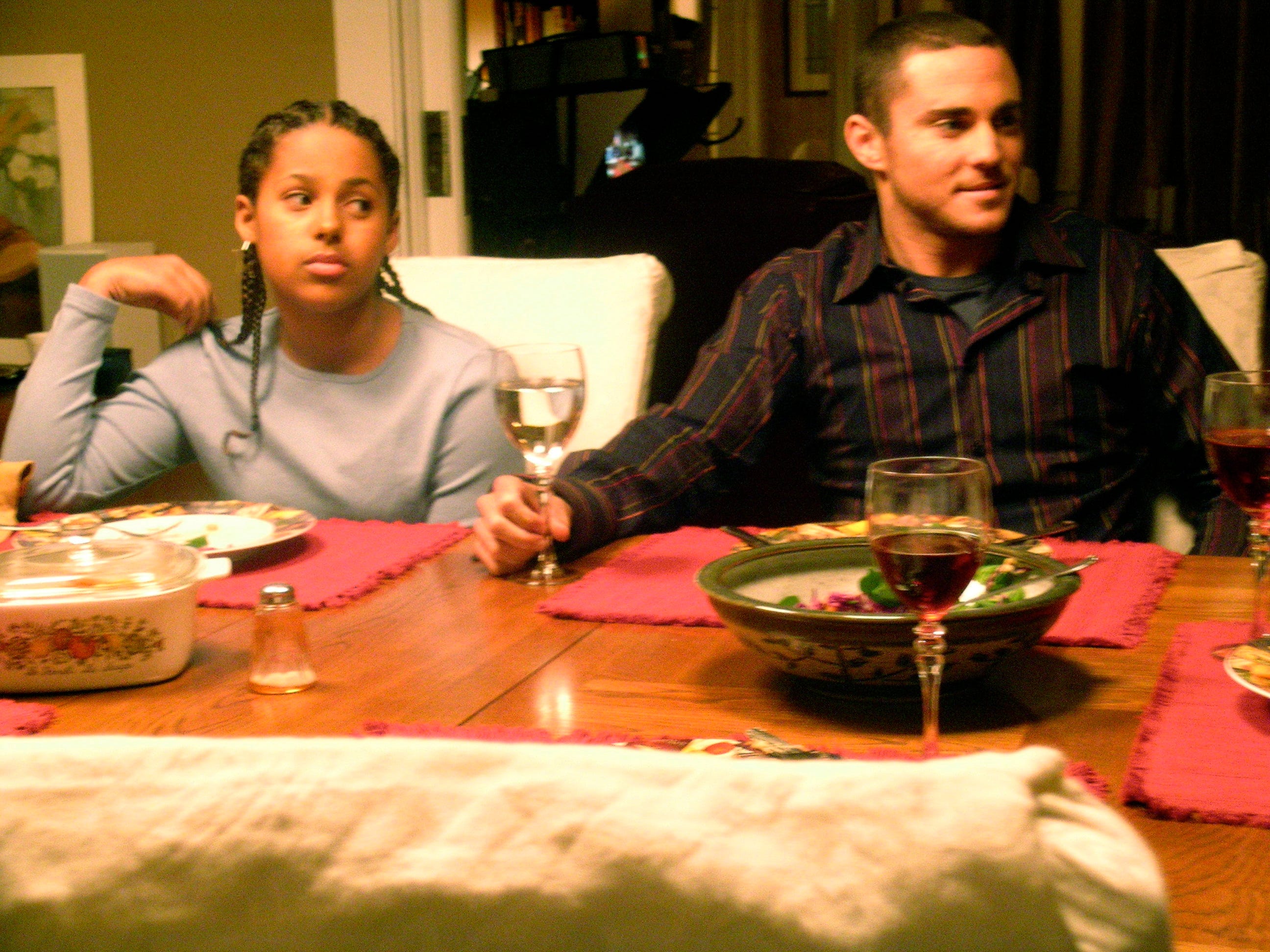
MATTHEW RETTENMUND, AUTHOR: Andrew’s family was accepting, but his little sister Cheyenne (Molly Manago) had some sharp-tongued observations. I remember seeing it with an audience at Tribeca and not being able to hear any lines after she spoke due to the roars of laughter.
Q. ALLAN BROCKA, DIRECTOR & WRITER: We auditioned her locally in Seattle. She knocked it out of the park. Every line she read gave exactly what I’d hoped for.
DARRYL STEPHENS, “ANDREW”: She had the deliveries down. For being so young and not quite understanding what the subject matter was about, she gave it like she did. She was actually much sweeter in person.
Q. ALLAN BROCKA, DIRECTOR & WRITER: Andrew’s family scene was pretty simple. It’s just them around a dinner table. X never had a family like this, and he’s kind of crashing this.
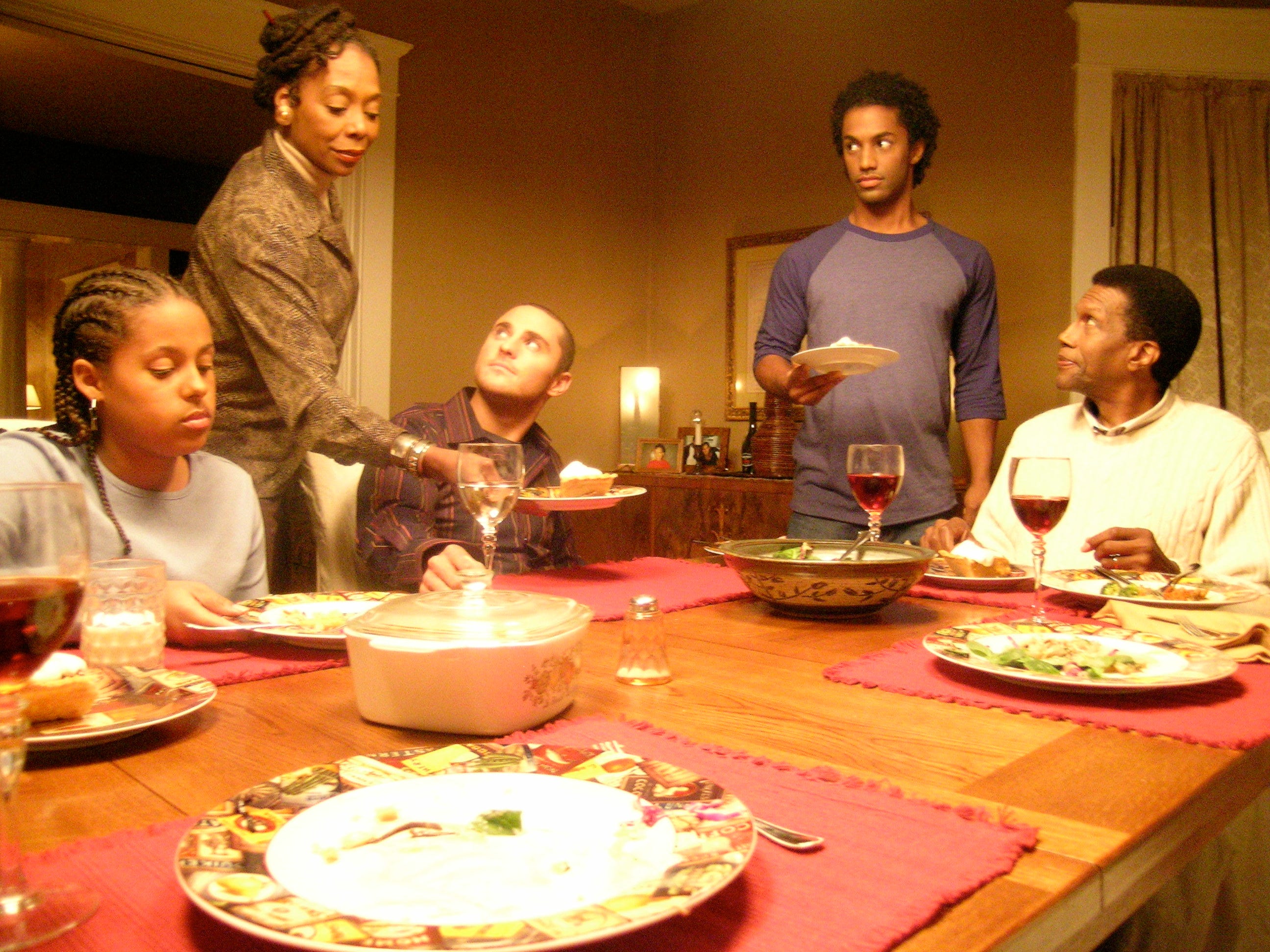
PHILLIP J. BARTELL, EDITOR: I feel like it’s best encapsulated in the moment in the film when Andrew’s mom [Demene Hall] says about X, “And damn, he is fine,” and Darryl just has this smile. And we cut out of it right as it hit its peak, at the climax of his smile. And he just has a smile that just, like, lights up all the rooms. He’s just so beautiful. And just to see his character having been so stressed out for that whole time … and his mom was like, “I think your man’s hot.”
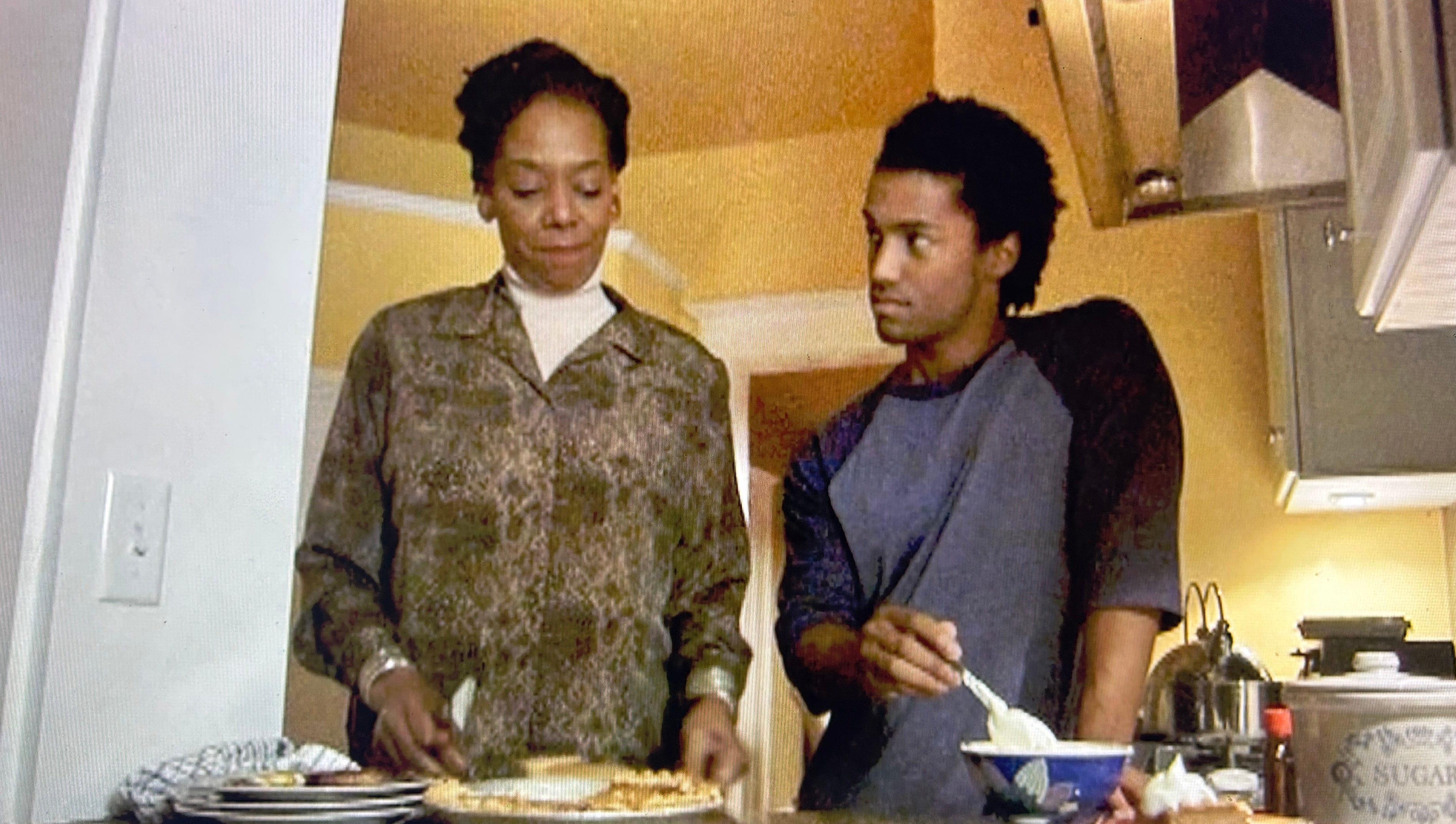
Q. ALLAN BROCKA, DIRECTOR & WRITER: Demene Hall — There was something almost regal about about her presence. I loved working with her. Everything she said, even just talking when she wasn’t in character, just carried this weight of knowledge and love — I just loved being around her.
DARRYL STEPHENS, “ANDREW”: She was wonderful. I do remember that was a safe space to land … I wanted more things to happen in that scene for me as an actor. I wanted to go through more. And I remember it was quick; we didn’t have a lot of time. But I physically wasn’t as in my body as I wanted to be in that scene. And I remember when we finished, when we got through it, I was like, “Oh, I didn’t quite get to the emotional moment that I wanted to reach for that moment.”
MATTHEW RETTENMUND, AUTHOR: I think that scene is priceless.
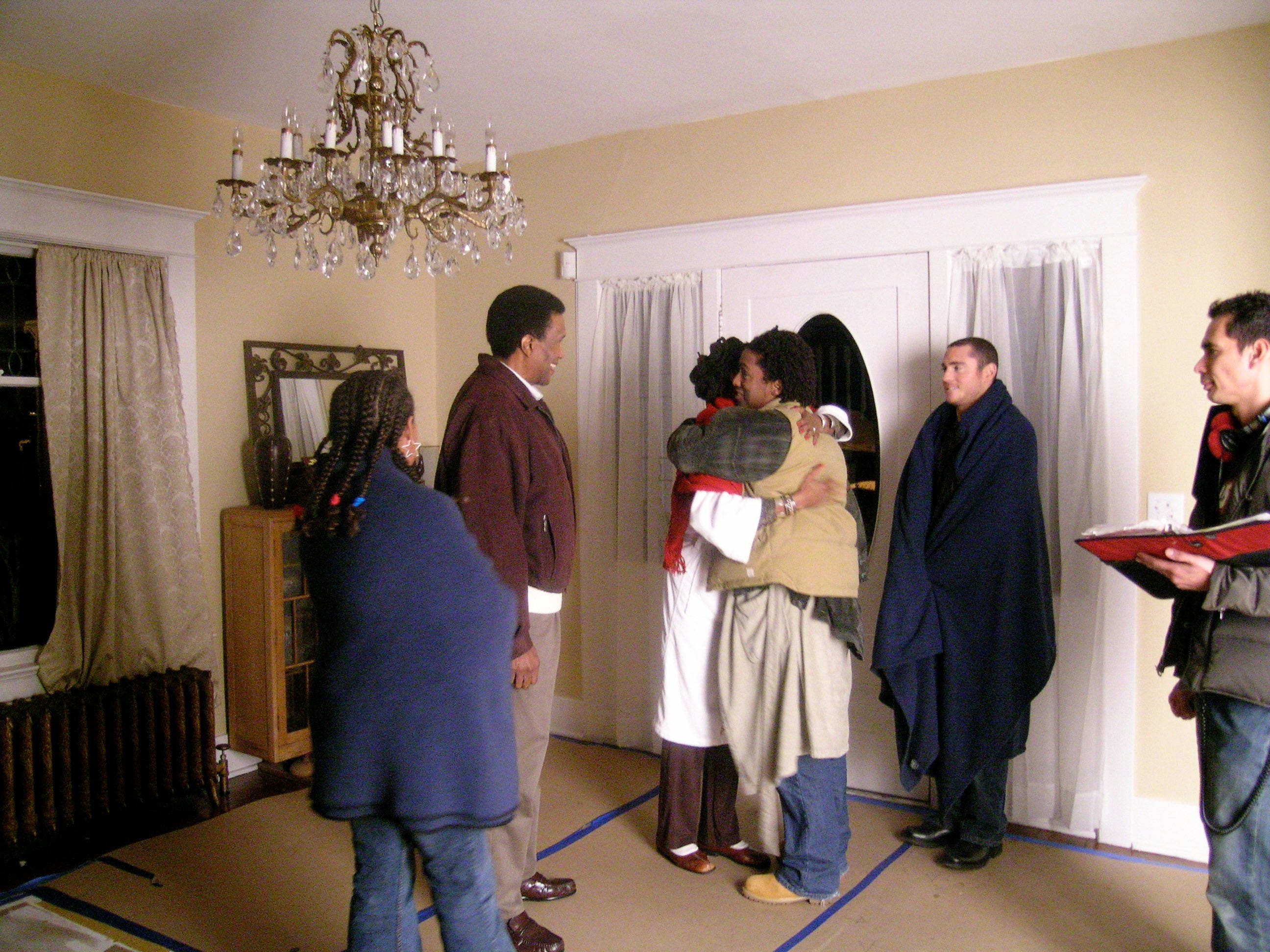
DARRYL STEPHENS, “ANDREW”: I appreciate you saying it didn’t look like I was missing anything, but as an actor, you have ideas of what’s supposed to happen, and the director’s like, “That’s not what’s supposed to happen.” And he ends up getting what he wants, which is great, because he’s got the overall vision, and he knows what needs to happen more than the actor does. I had ideas, and they didn’t happen …
I’ll say this — a young Black man having his mom say she knows he’s gay and it’s okay felt very significant to me. I wanted to honor that with the emotions that that was bringing up for me as an actor. And I couldn’t do it in the scene. It was happening too fast and I think I just didn’t quite physically have it in me to go in there and get it.
Q. ALLAN BROCKA, DIRECTOR & WRITER: I think it is even more awkward [for X and Andrew] when they get to that wedding itself.
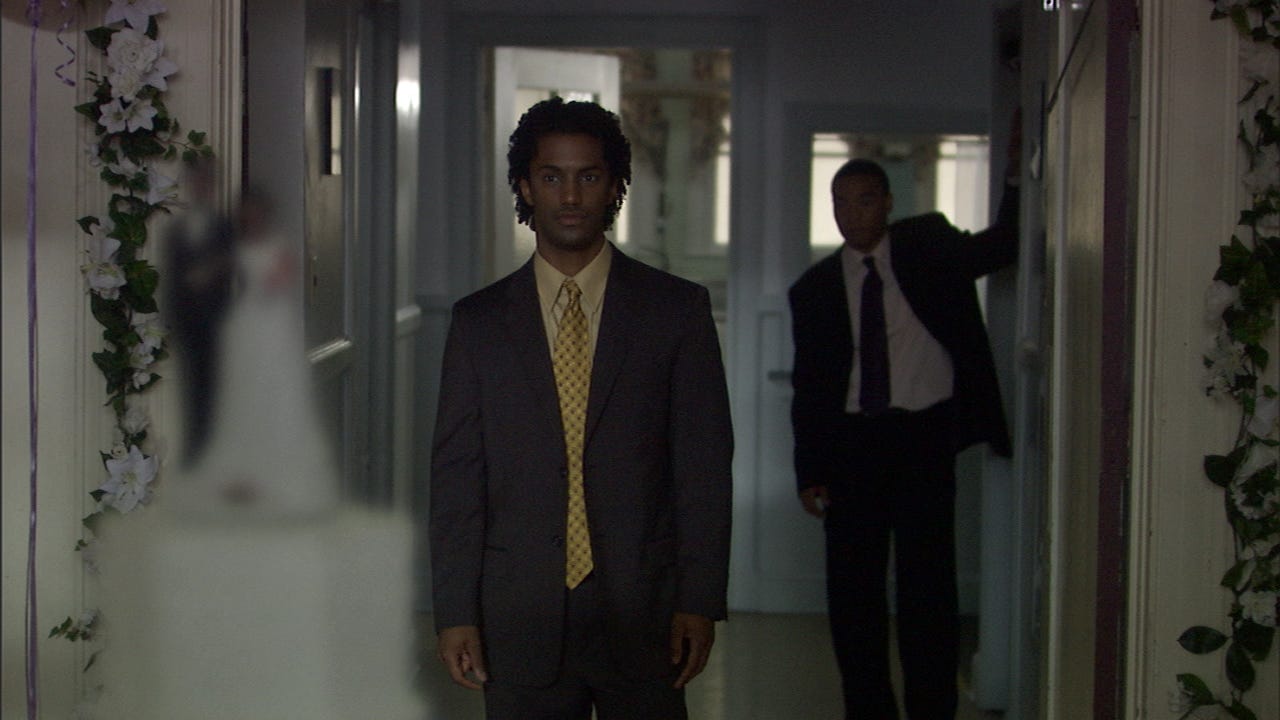
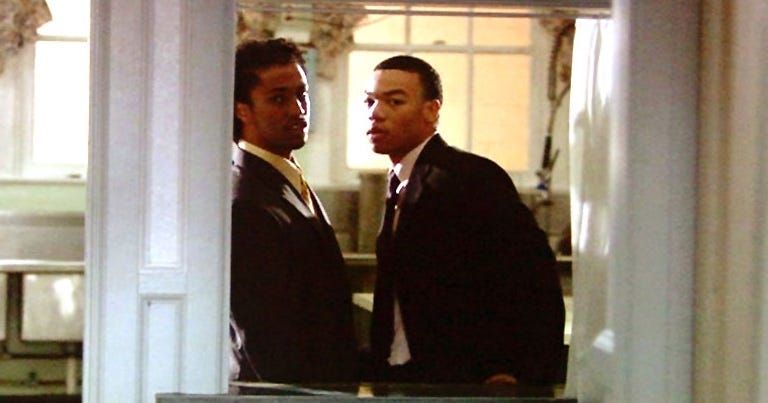
DEREK MAGYAR, “X”: I think that is where the levity comes in … and then it’s sad because X sees Andrew with his ex [Laprell Nelson] and he thinks they’re connecting and so jealousy takes over. And that’s when, you know, X sort of shuts down because he doesn’t want to feel those kind of feelings.
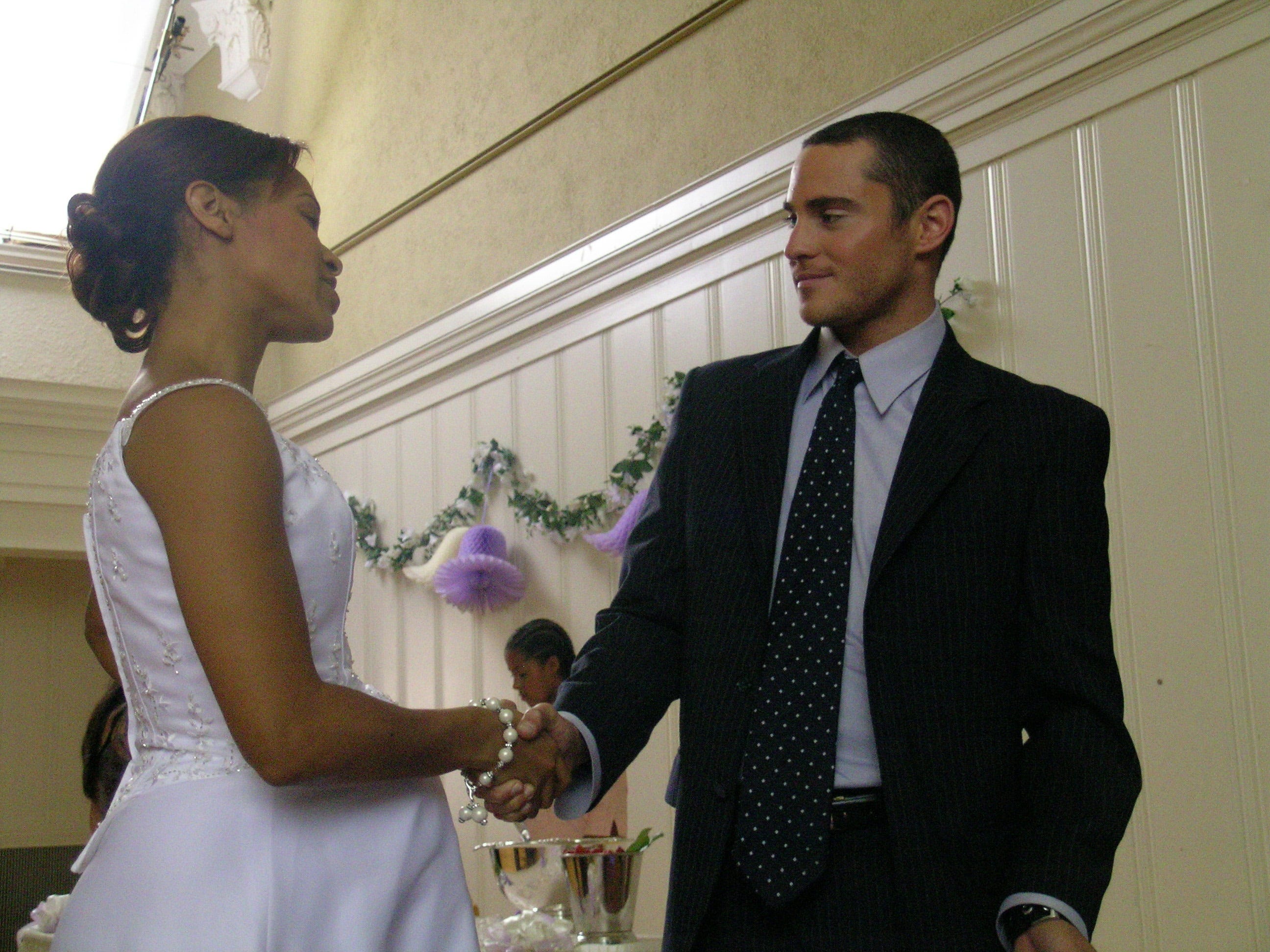
Q. ALLAN BROCKA, DIRECTOR & WRITER: It’s not just a family, it’s a church filled with Black people — X is the only white person there … Another thing I experienced was bringing a white person I’m dating into a Filipino space and suddenly they’re feeling weird. And I’m like, “You feel how we feel every day, all day.” So, moments like that I really wanted to bring in to Boy Culture.
DARRYL STEPHENS, “ANDREW”: When you’re on somebody else’s turf, when you go home to somebody else’s family and their friends, it’s, “What the hell am I doing here?” I’ve been in that situation.
DEREK MAGYAR, “"X”: Everybody was so much fun to work with in that group.
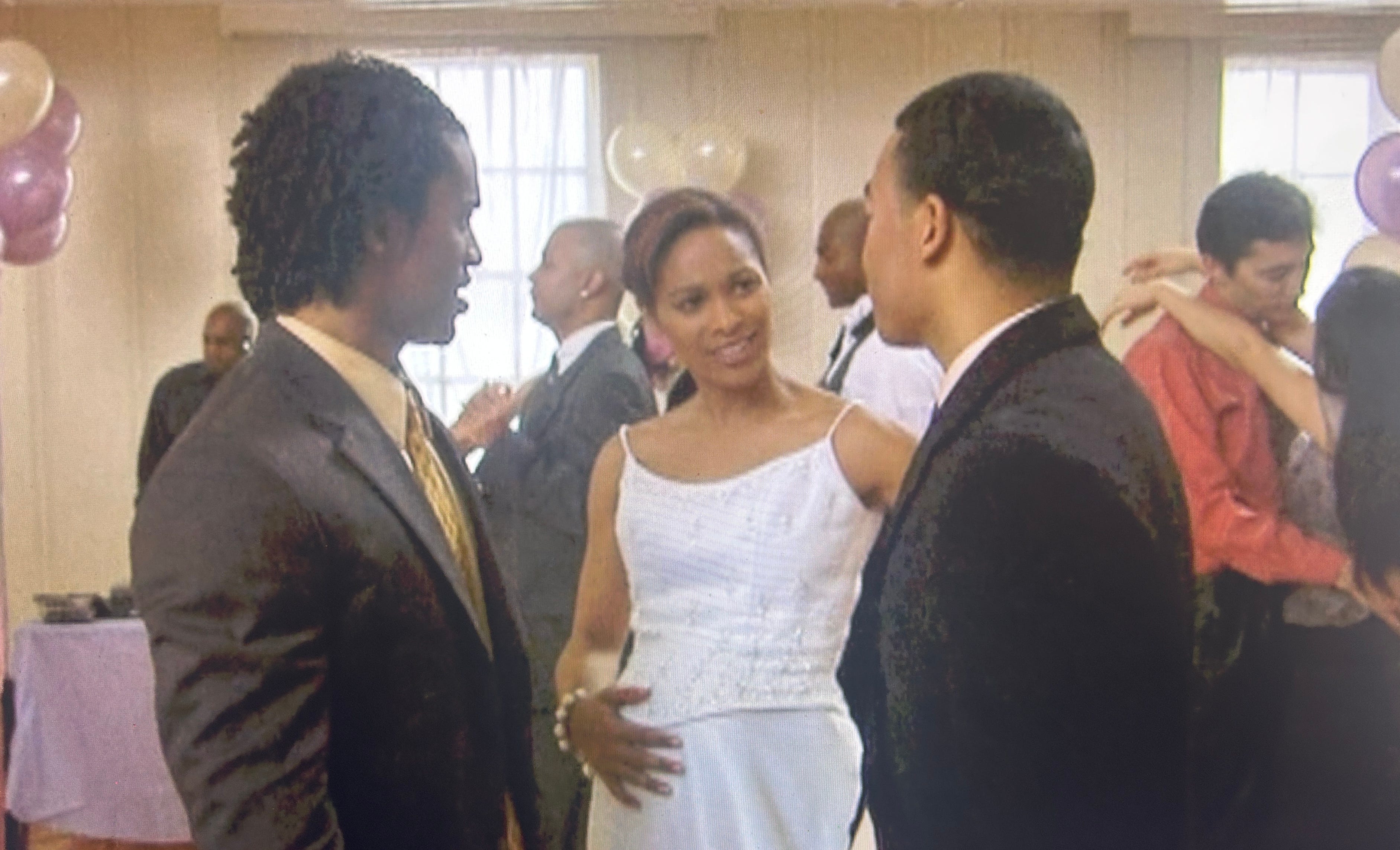
DARRYL STEPHENS, “ANDREW”: I still, to this day, say, “Bitch, you told a lot of [fuckin’] people,” which was the line of Andrew’s ex-boyfriend Matthew to his sister, the bride.
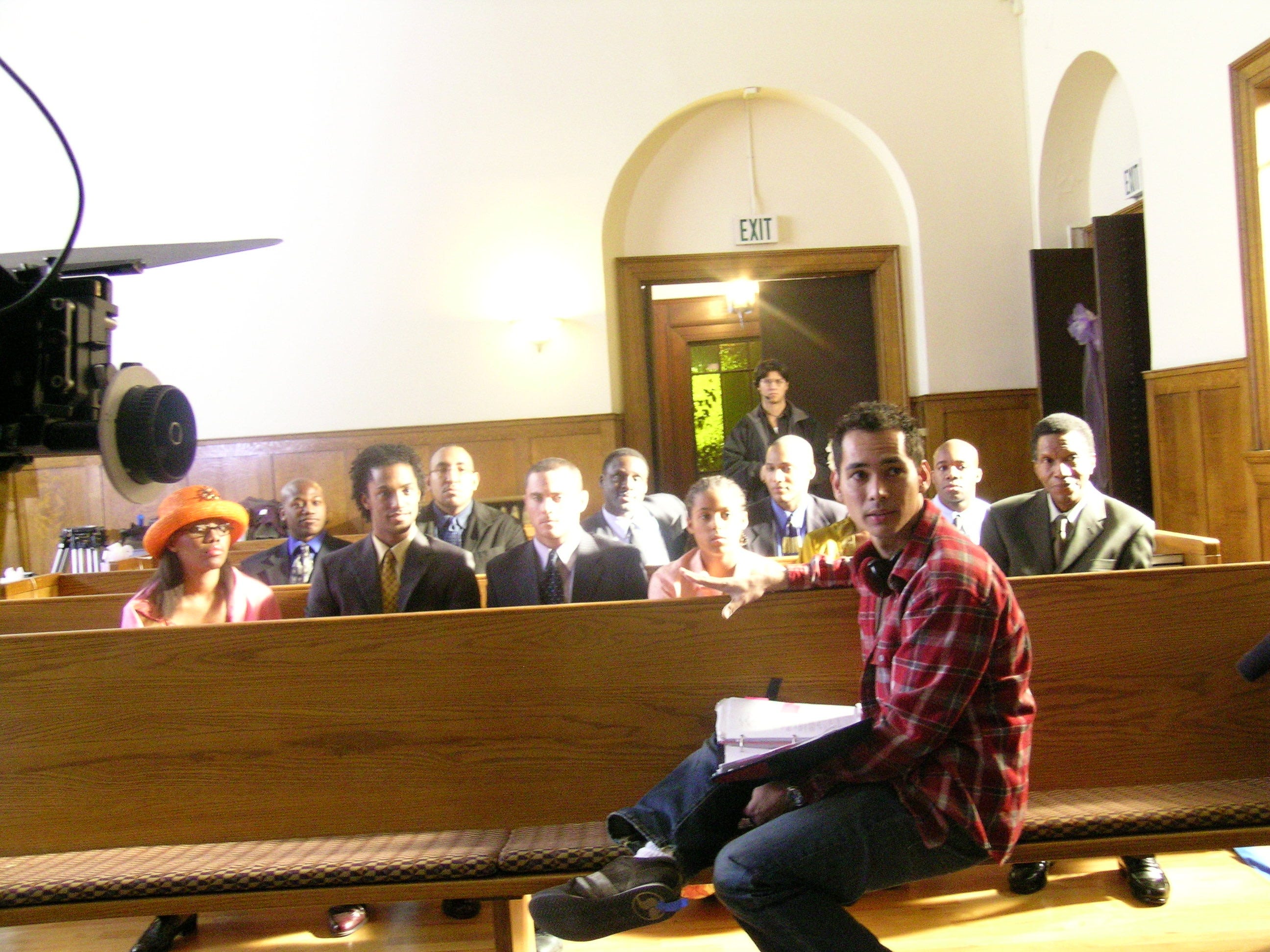
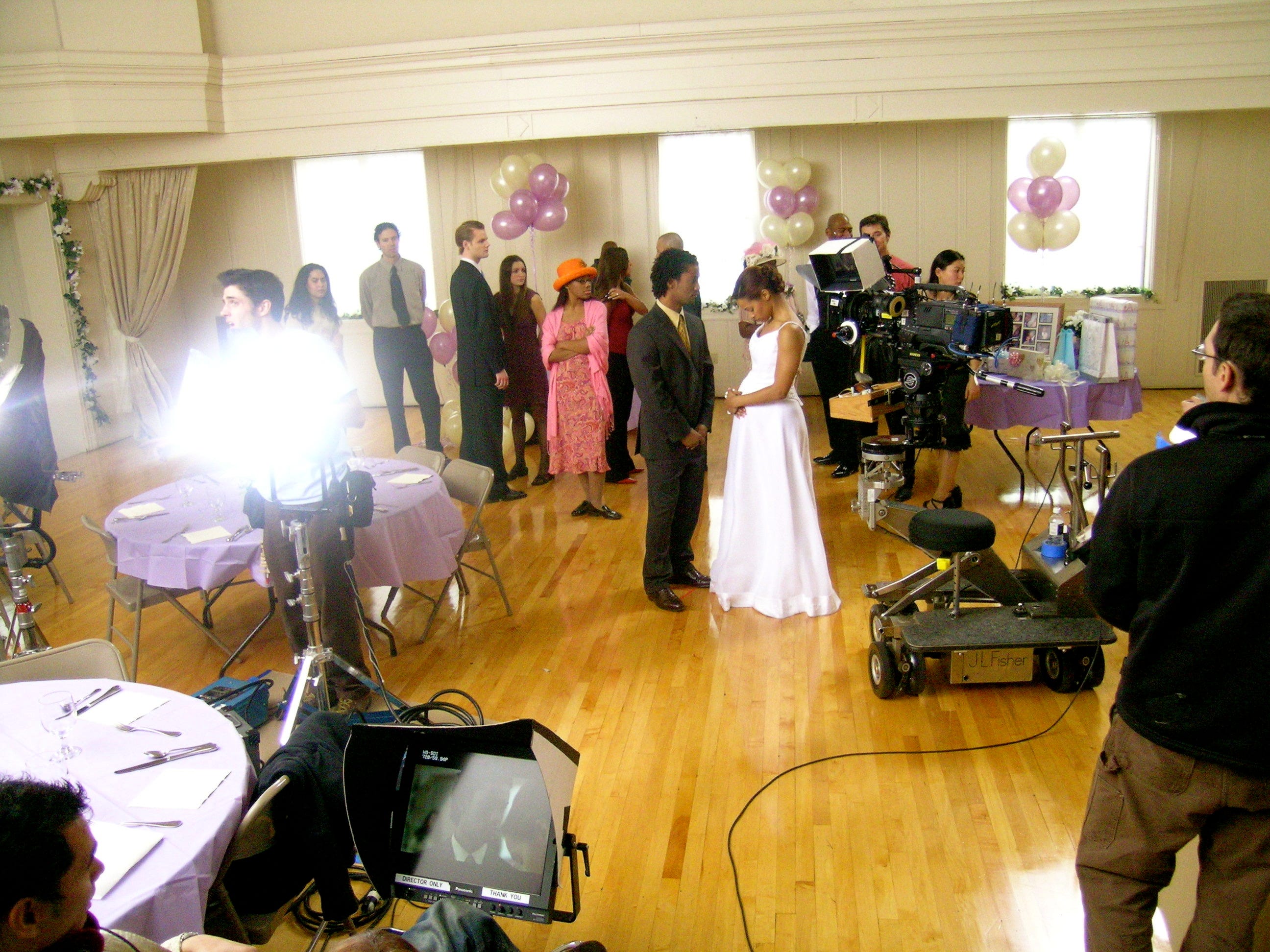
PHILIP PIERCE, PRODUCER & WRITER: My partner Christopher Pilafian choreographed the wedding scene. We had done an open call and maybe 50 people showed up and I think about 42 of them were were white. There was only a small group of Black actors and it was supposed to be a Black wedding, primarily. So Christopher had to choreograph it.
Q. ALLAN BROCKA, DIRECTOR & WRITER: There was originally a food fight with the wedding cake between the football player guys, including the groom, but we ended up cutting a lot of it just because it wasn’t relevant. It was a fun day, but logistically it was tough because there were so many people and the food fight took a lot of time — and we ended up cutting it completely.
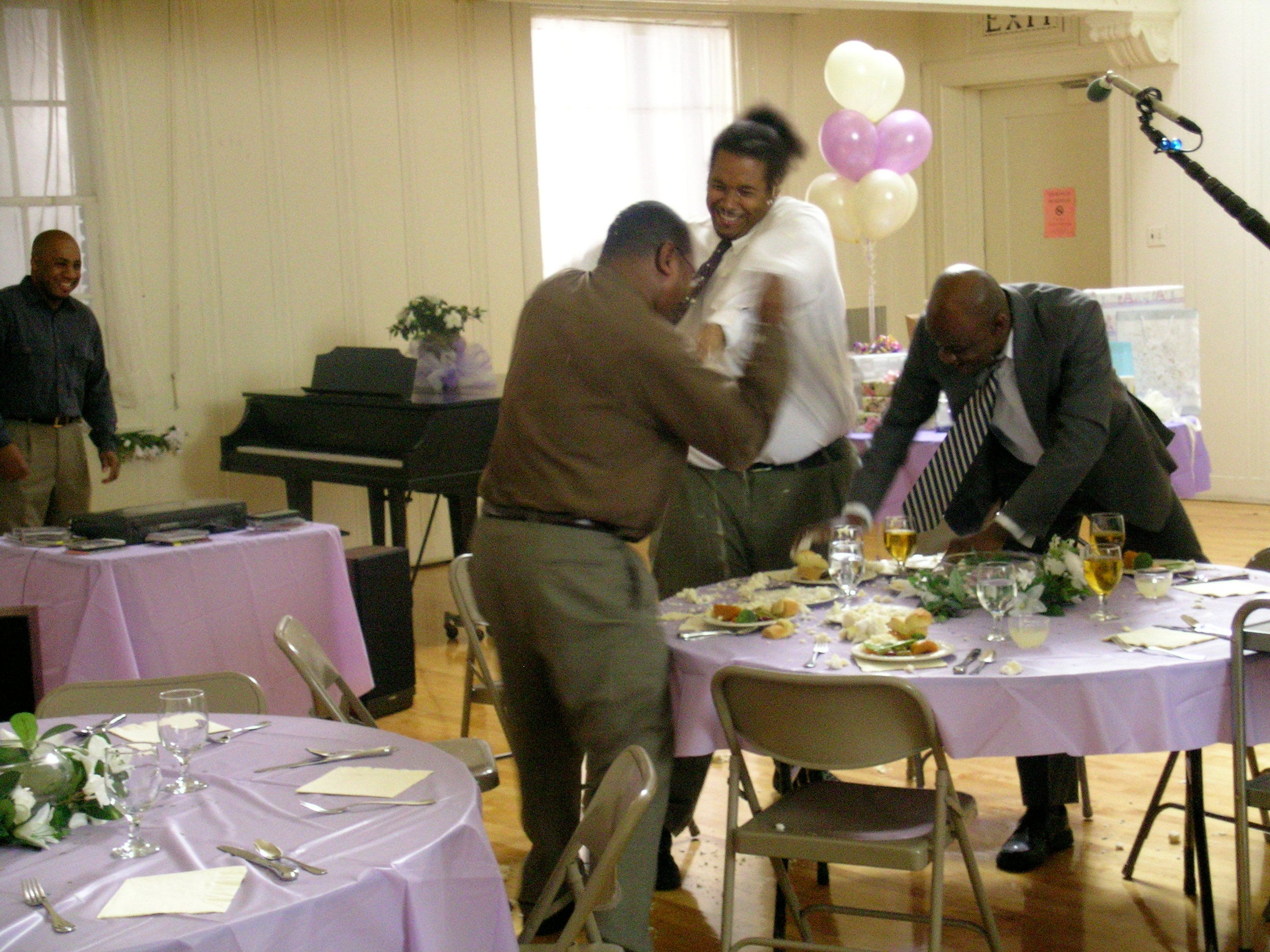
JOËL RENÉ SCOVILLE, “CANDACE”: I remember the cake-fight scene! I remember always ducking and dodging food so that I didn’t mess up the hat and dress I was wearing because I knew as an indie film the budget was super tight. Even though I think I was wearing my own clothes, I was still trying to save the wardrobe department money on a dry cleaning bill.
PHILIP PIERCE, PRODUCER & WRITER: Derek’s jacket got covered with cake. Unfortunately, after the film had been finished and the cake scene was cut, we had to do some digital fixing. That was pretty complicated in those days.
STEPHEN ISRAEL, PRODUCER: Theres’s probably 20 minutes of additional movie because the first cut was more than two hours.
“I Love Club Music” — Notes on Sound
Over the years, the Boy Culture original soundtrack has acquired a cult following. Everyone on the production felt the music added significantly to the film’s success.
Q. ALLAN BROCKA, DIRECTOR & WRITER: I really wanted the Pet Shop Boys’ “It’s a Sin” to be all over it because it kinda went with the whole thing. But there was no budget for anyone you’ve ever heard of.
PHILLIP J. BARTELL, EDITOR: Allan had made friends with this guy Casey Clark. He lives in Detroit and he had a band called Wideband Network, and he gave us for very little money three songs [“Show Me Love,” “3AM” and “95”] that worked really well in the movie. My only regret now is I wish that we’d cranked up his music louder.
Q. ALLAN BROCKA, DIRECTOR & WRITER: We got a music supervisor, Bill Coleman. I sent him my wish list and the temp songs that we were using. He translated my dream songs into people we could actually get, and so we ended up with an amazing soundtrack. That Specimen song “Do You Damage” was nothing like what I had in my head. That’s something that Bill brought to me and then it just felt so perfect. I think we had Whitney Houston at some point as a temp song. That ended up getting replaced by Ultra Naté’s “Slow Grind.”
Ari Gold, I just asked him for music. He’s like, “Just pick anything off of any of my albums.” And that moment at the church, his song just aligned really, really beautifully. So, that’s kind of how the music came together — it was just, “Who will let us use music for the almost zero dollars that we have?”


“Now What Am I Supposed to Do, Huh?” — When the Film’s in the Can
The budget for Boy Culture was approximately $500,000, about 10 times the budget of Allan’s directorial debut, Eating Out. Plus, it was a gay film with community expectations, and a project in the works for the better part of a decade. A lot was riding on it turning out well.
Q. ALLAN BROCKA, DIRECTOR & WRITER: From my perspective, no shoot is really fun, but also the most fun in the world. It’s stressful, difficult, hard and challenging. Looking back, we lost our production designer, we lost our AD, we lost the location. Do we have an actor for this role? You’re running out of time, so you gotta do all of this stuff that is not going with the vision in your head.
EMILY BROOKE HANDS, “LUCY”: I think Allan is always stressed. He’s so laser-focused and has such a vision of exactly what he wants. He knows what he wants to see, he knows how he wants to hear something … All of his movies are like his babies.
PHILLIP J. BARTELL, EDITOR: Oftentimes, the director will take a week off just to recover from the shoot. I generally say the most I contribute usually is put into that first cut. Because the director isn’t there, that’s just me kind of going off of what the footage is telling me. Once we were together, he and I maybe had four to six weeks, I would guess, together in the room. He might be like, “Oh, I think there’s a better shot out the window of that bus scene,” for example.
Q. ALLAN BROCKA, DIRECTOR & WRITER: I’m always thinking, “Is this gonna be a compilation of mistakes, a compilation of things I had to change or sacrifice on?”
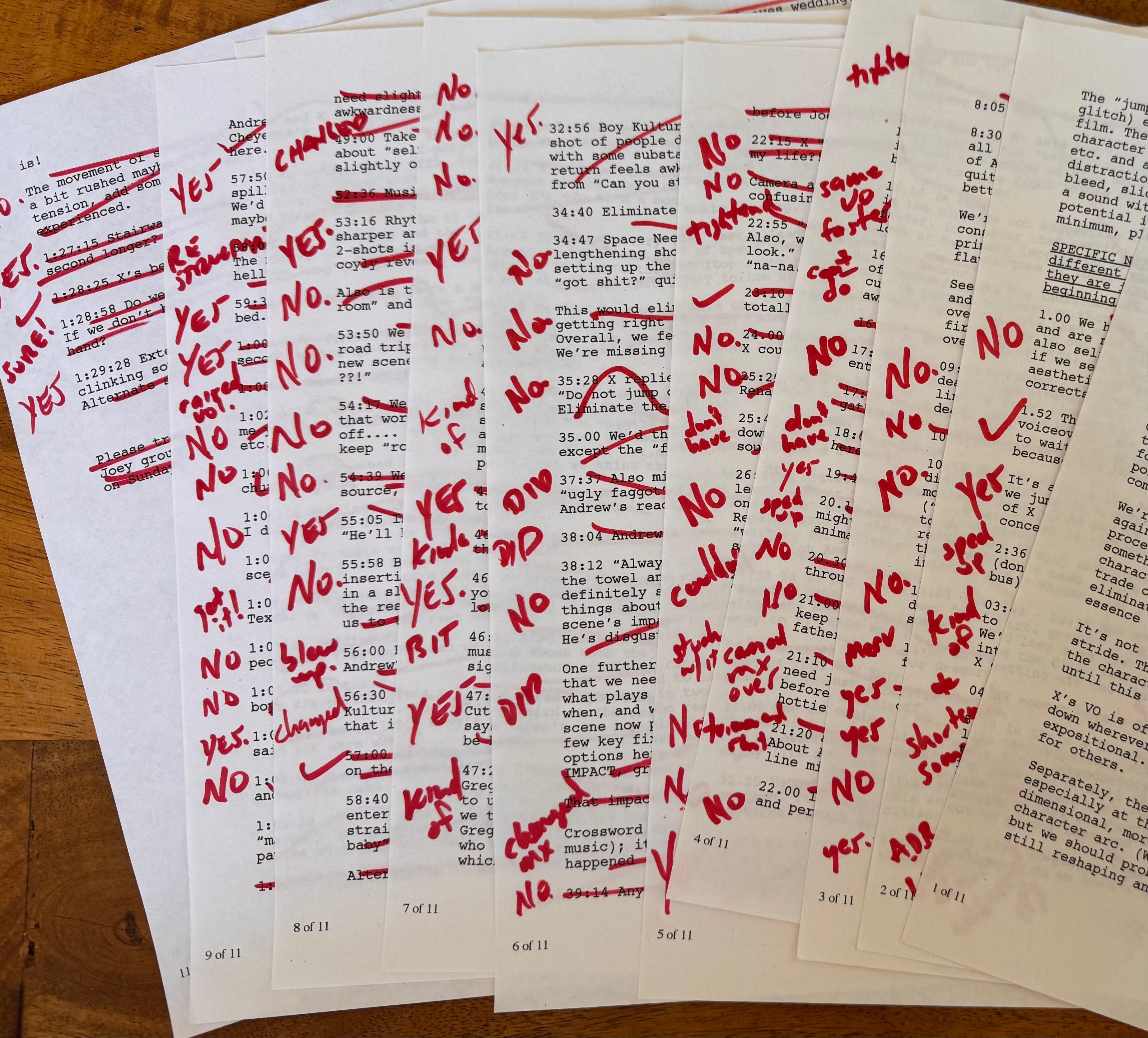
PHILLIP J. BARTELL, EDITOR: We don’t always agree, but when I feel like the film is in good shape overall, if the director prefers a take that I don’t like as much as another take, I’m pretty good at being like, “Well, it’s not going to ruin the movie.”
Q. ALLAN BROCKA, DIRECTOR & WRITER: Now, I definitely am better at making myself have fun and giving myself those moments. But that was only my second film and I was just like, “I’ve got to make this perfect.”
MATTHEW RETTENMUND, AUTHOR: Philip Pierce sent me a DVD of the first cut. Seeing the movie blew my mind. It was very different from my novel, but it was different in a way that has almost kind of overwritten my original vision. It’s very hard for me to separate them in my head. I saw the film several times in a row and went to some of the film festivals and I don’t even remember anymore where my initial reality with that story ends and Allan’s movie begins.

PHILLIP J. BARTELL, EDITOR: Editing stuff really gets in your head. It’s rare that I'm just like, “Oh, my God, I think the whole thing’s perfect,” because I've just seen too much. I feel like I thought, “This could play really well.”

The theatrical poster for Boy Culture was a marvel, an intimate portrait by Brian To of the three leads lying shirtless, intertwined.
STEPHEN ISRAEL, PRODUCER: I remember I ran to Target and bought that maroon blanket.
PHILIP PIERCE, PRODUCER & WRITER: The shoot wasn’t going that well in terms of finding just the right kind of thing. And then I remember Brian probably had the idea of, “What if they were just all lying down?”
JONATHON TRENT, “JOEY”: I remember being like, “Wait, what are we doing? I’m gonna lay this way and he’s gonna lay that way?”
DARRYL STEPHENS, “ANDREW”: My hair had been cut by then. I remember we were laying in a studio on this blanket … and we’d gone through all these different poses with the three of us trying to look sexy, but also connected in some way.
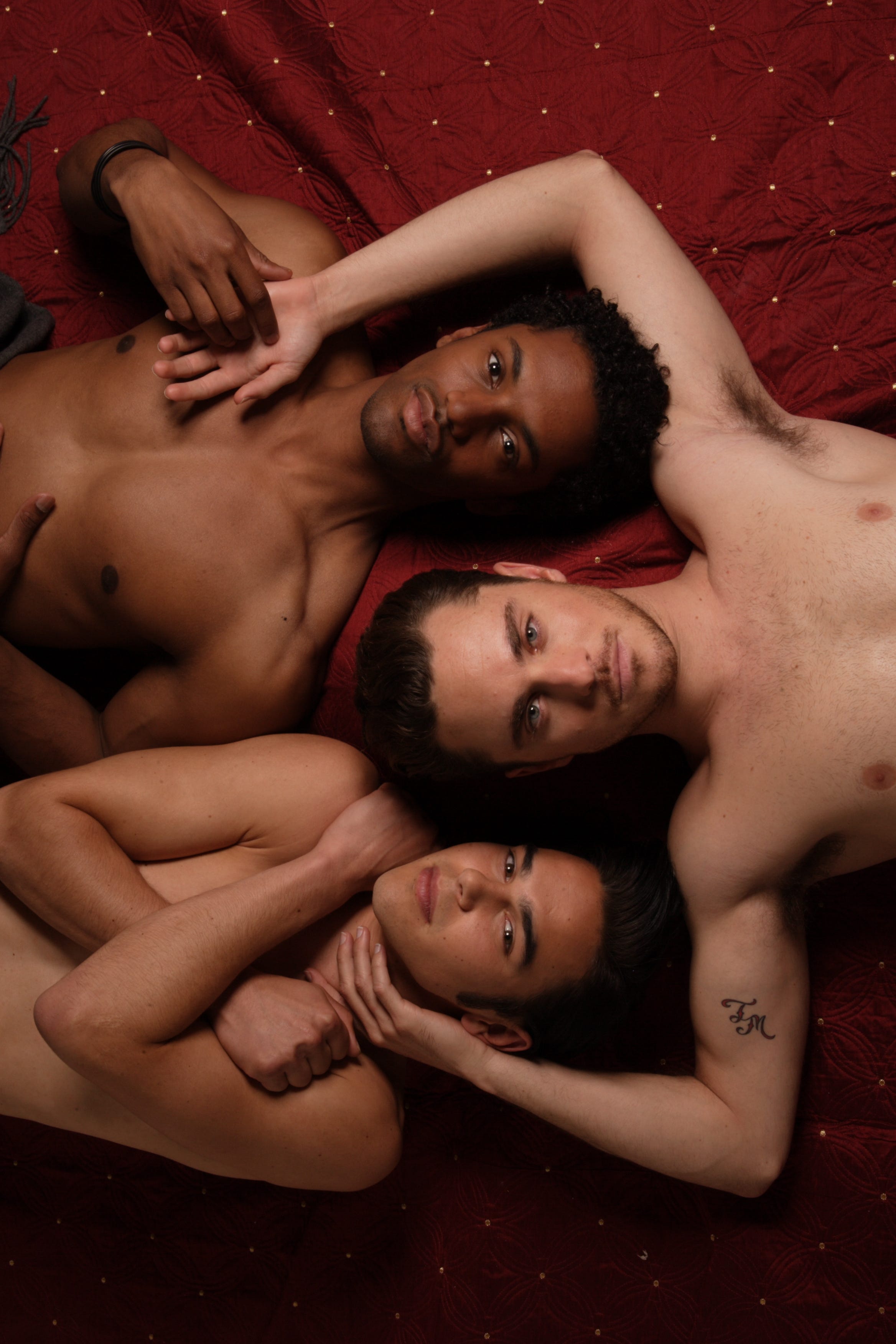
BRIAN TO, PHOTOGRAPHER: I have fond memories of the Boy Culture shoot. Allan Brocka is a longtime friend and he is always so calm, reassuring, open, and kind and easy to work with. It was one of the rare times I shot directly down on subjects on top of a ladder. But something about that concept really worked and allowed the actors to feel connected emotionally and physically a bit more since they were laying down in a restful position. Also, it helped draw the viewer in as if the three of them were inviting the audience into a secret party.
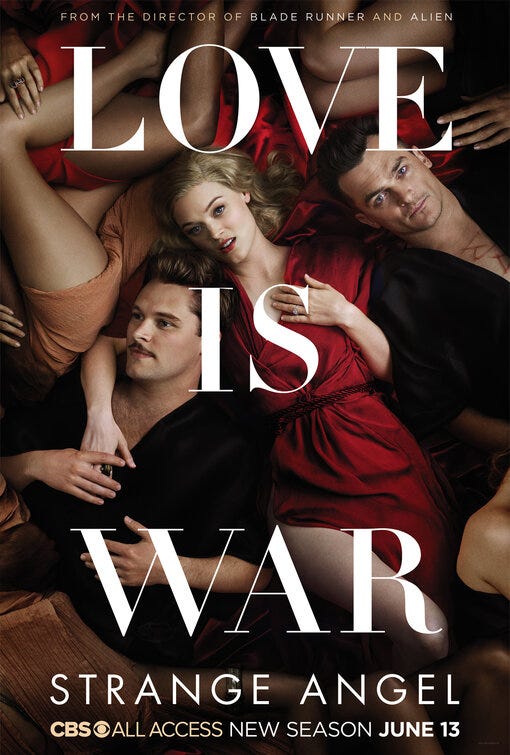
It was a bit tricky to get the face and necks to line up well, but that was the fun part for me, to help relax the actors into giving expressions that felt alluring yet subtle and mysterious. I think the hand and arm positions help communicate connections in a soft, elegant way that makes the poster feel like a fine art painting.
DEREK MAGYAR, “X”: I had a blast. I thought it was a wonderful photo shoot. It was great to be with the guys again.
MATTHEW RETTENMUND, AUTHOR: Who wouldn’t want to check out the movie after seeing … that?!
With everything in place, all that remained was for all the creatives to pitch in and help promote the film. Part of that was accomplished with the help of executive producer Phil Lobel, who used his connections with gay events to help put the movie front-and-center with the target audience. The production’s publicist was the late Mickey Cottrell, who had previously worked as a projectionist, indie film producer and even an actor. His work publicizing the movie was vital to Boy Culture’s success.
MATTHEW RETTENMUND, AUTHOR: It was such a long journey, I remember not even being sure the film would get a release. Then the publicity started, and it felt real!
DARRYL STEPHENS, “ANDREW”: 2005 was a busy year for me. I had Another Gay Movie, Boy Culture and the first season of Noah’s Arc. It was very much, “I’ve arrived.”
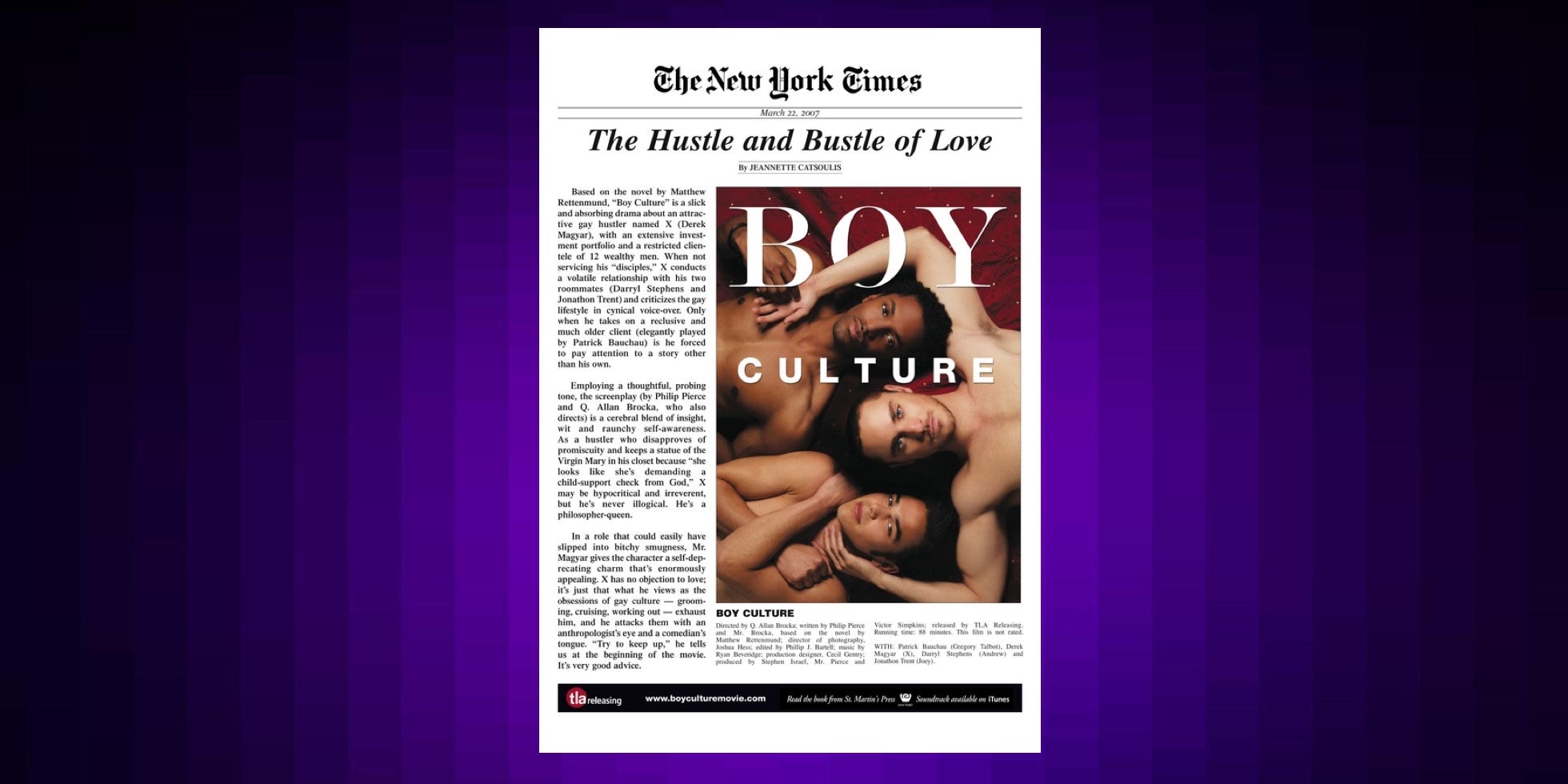
MATTHEW RETTENMUND, AUTHOR: I remember being in L.A. in my hotel room on a laptop before going down to meet everyone for the premiere and seeing that The New York Times had posted a review — and it was a NYT Critic’s Pick. I called Philip and we were both in disbelief in the moment, like, was this the actual review? It was.
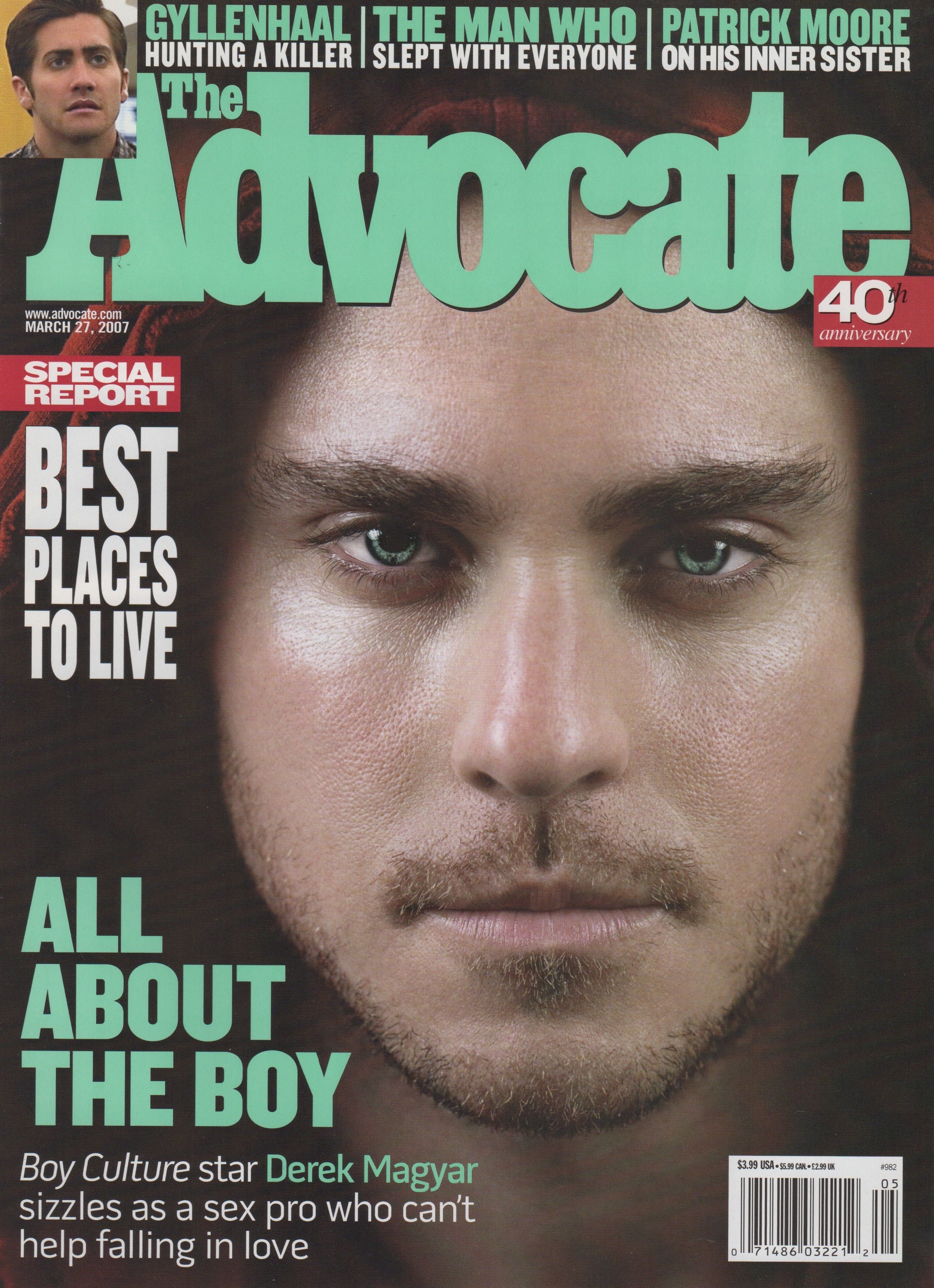
DEREK MAGYAR, “X”: I did a cover shoot for The Advocate, which was an incredible shoot for me and a wonderful article that was written and I became very close with the stylist and everybody on that shoot and all the other shoots we did … A lot of what we did was focused on the gay community in terms of the press we were getting, [but it also] kind of bled into the mainstream. Now, I really do feel that a film like this would be received in a very different way.
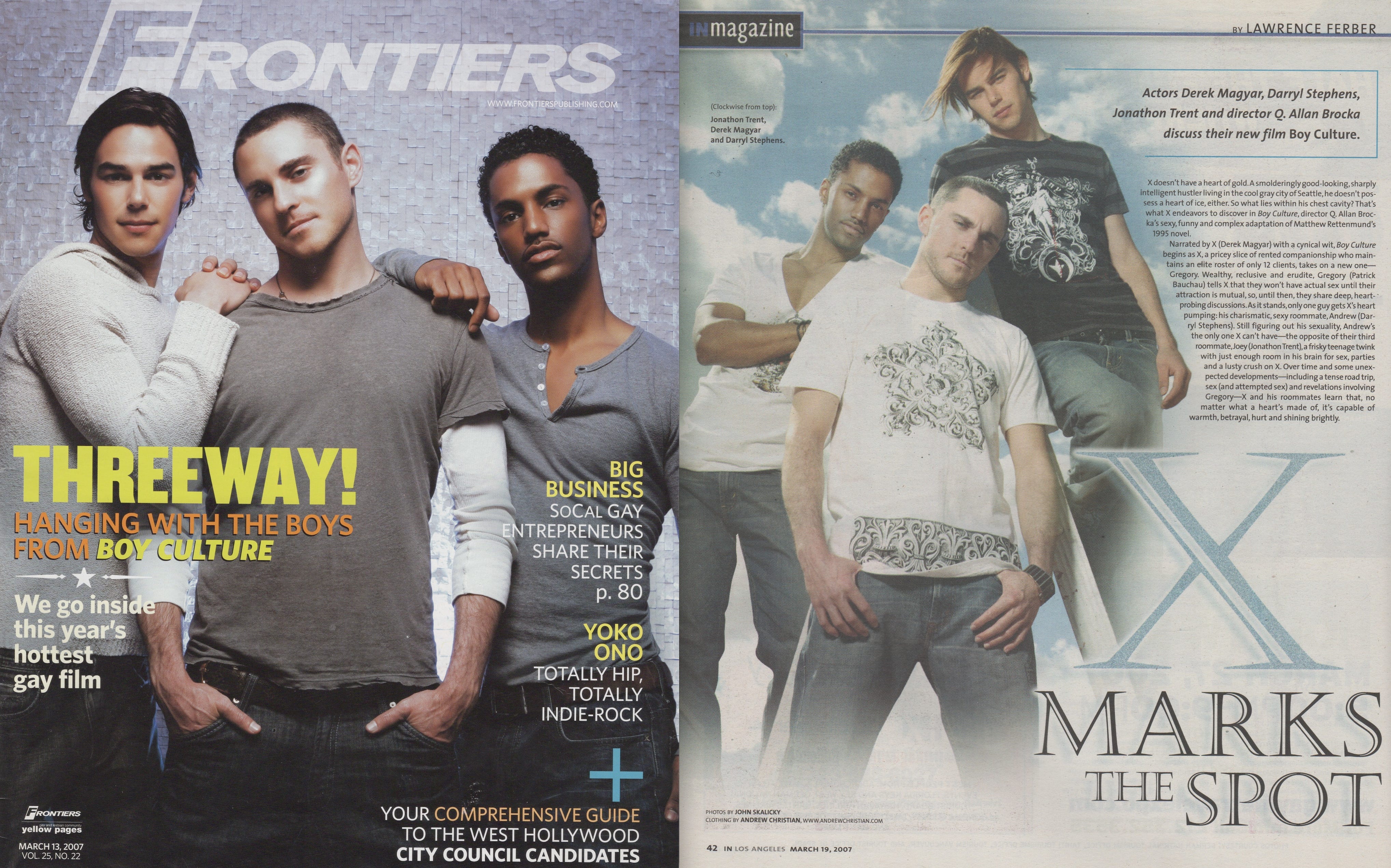
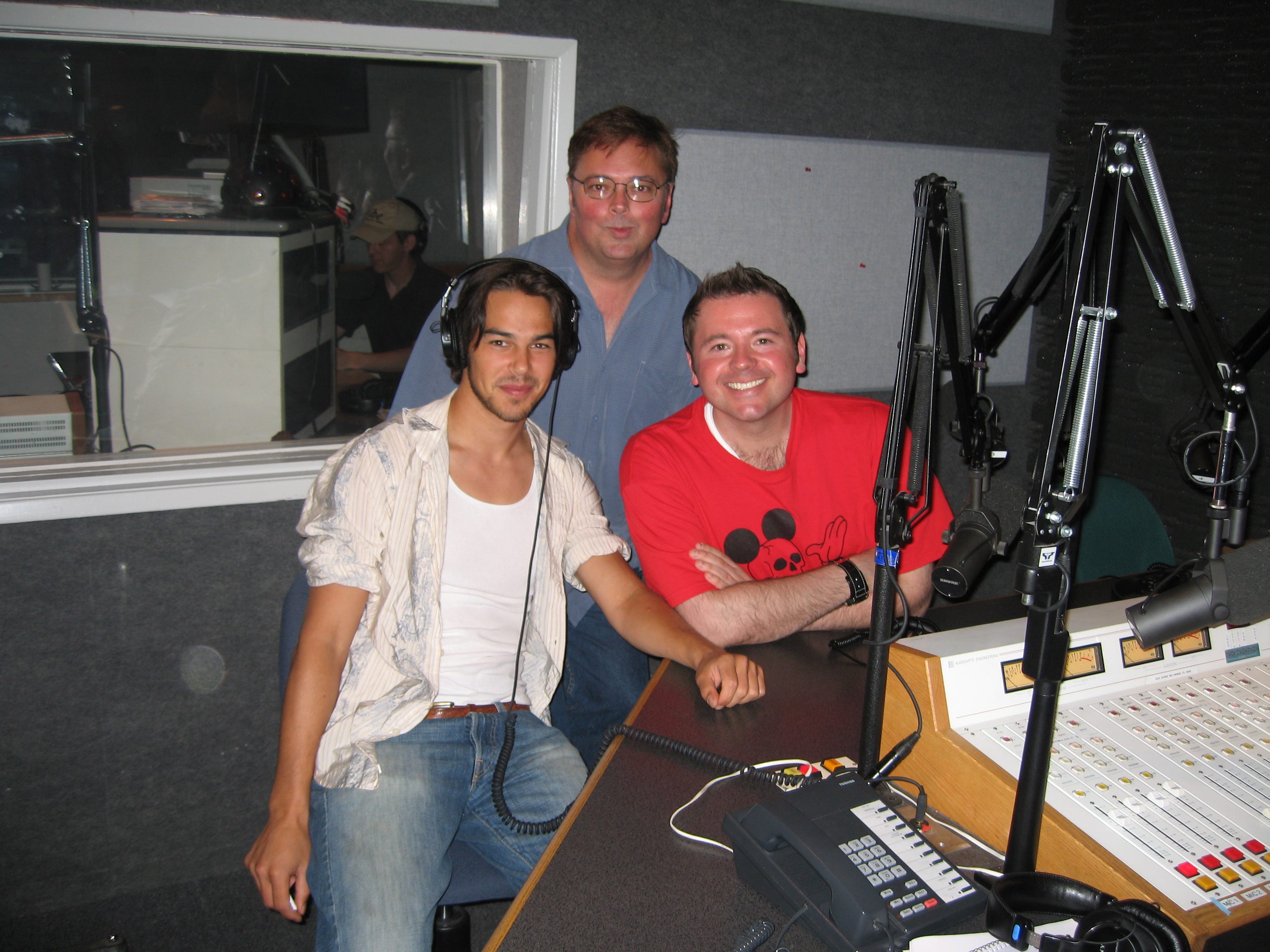
JONATHON TRENT, “JOEY”: It’s going back to a period in time 20 years ago where if you were making a film with [gay elements], you were instantly kind of labeled and put into a subsection of Hollywood: It’s a gay film. This film kind of transcended that.
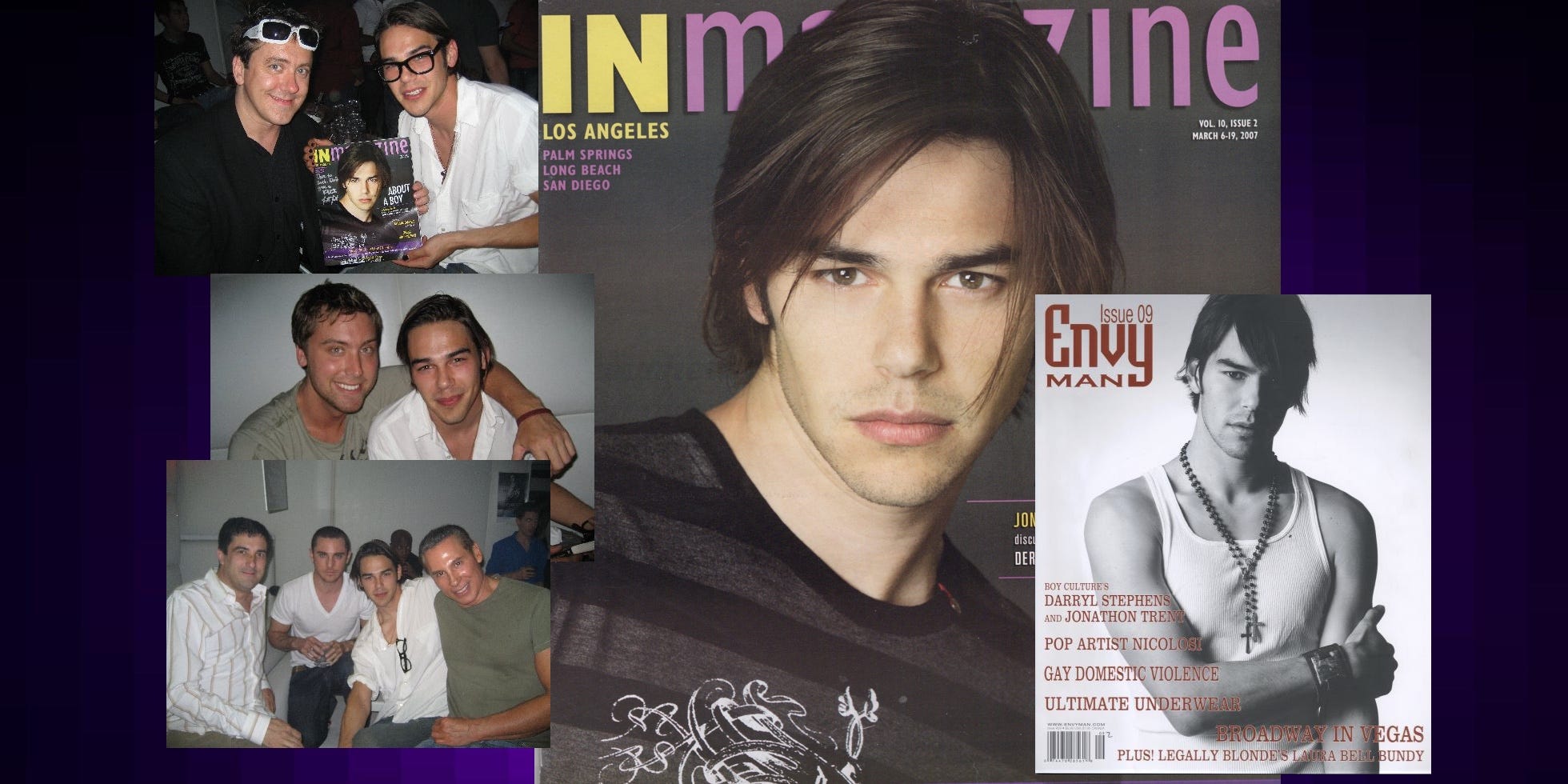
I felt lucky to be part of something special because it was bridging this gap that should be bridged, but hadn’t really been done. I’m not trying to put this film on the same level as Brokeback Mountain, but that was another film that kind of did the same thing. And I was wildly impressed with the fact that Boy Culture had that happening.
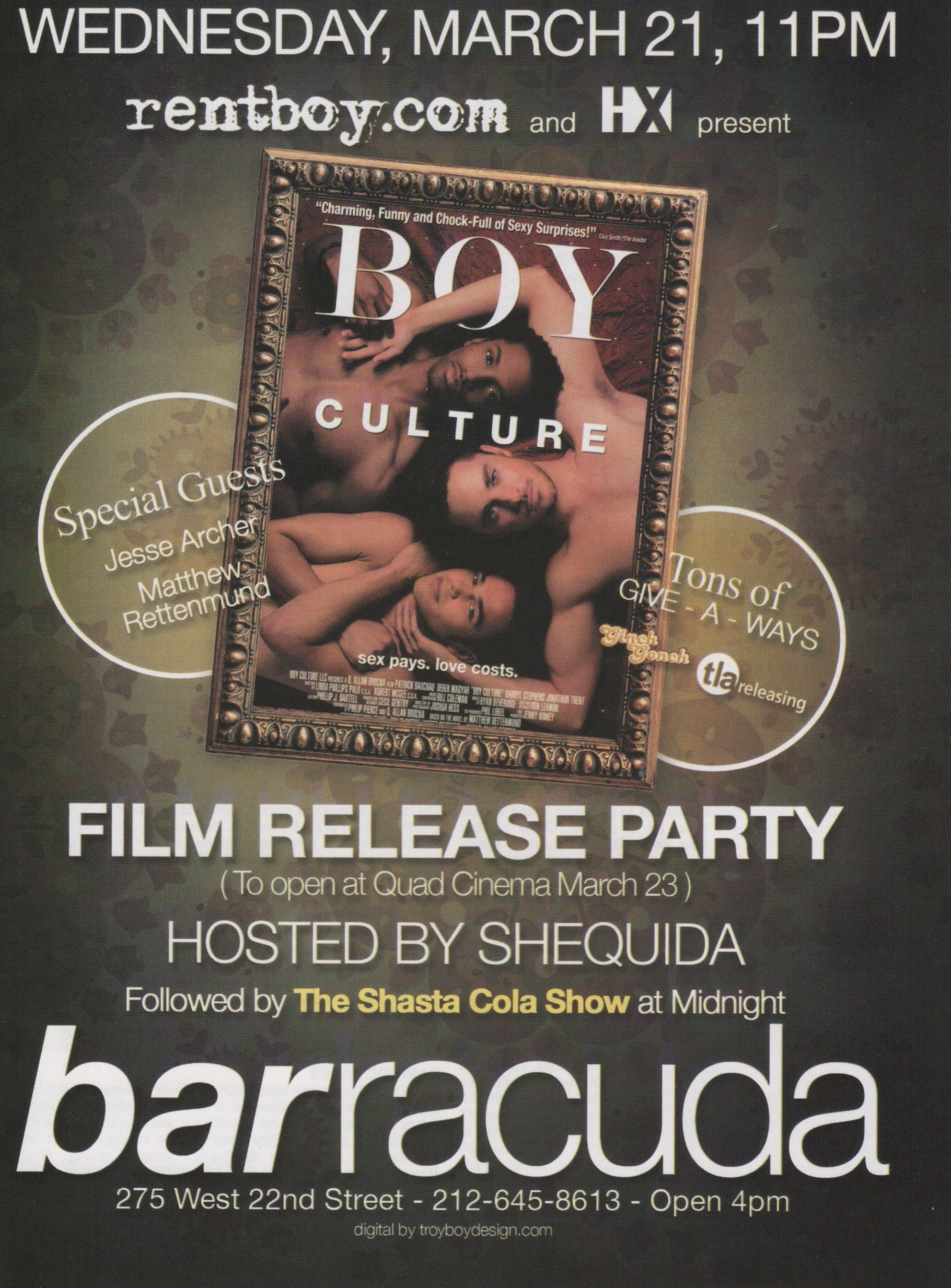
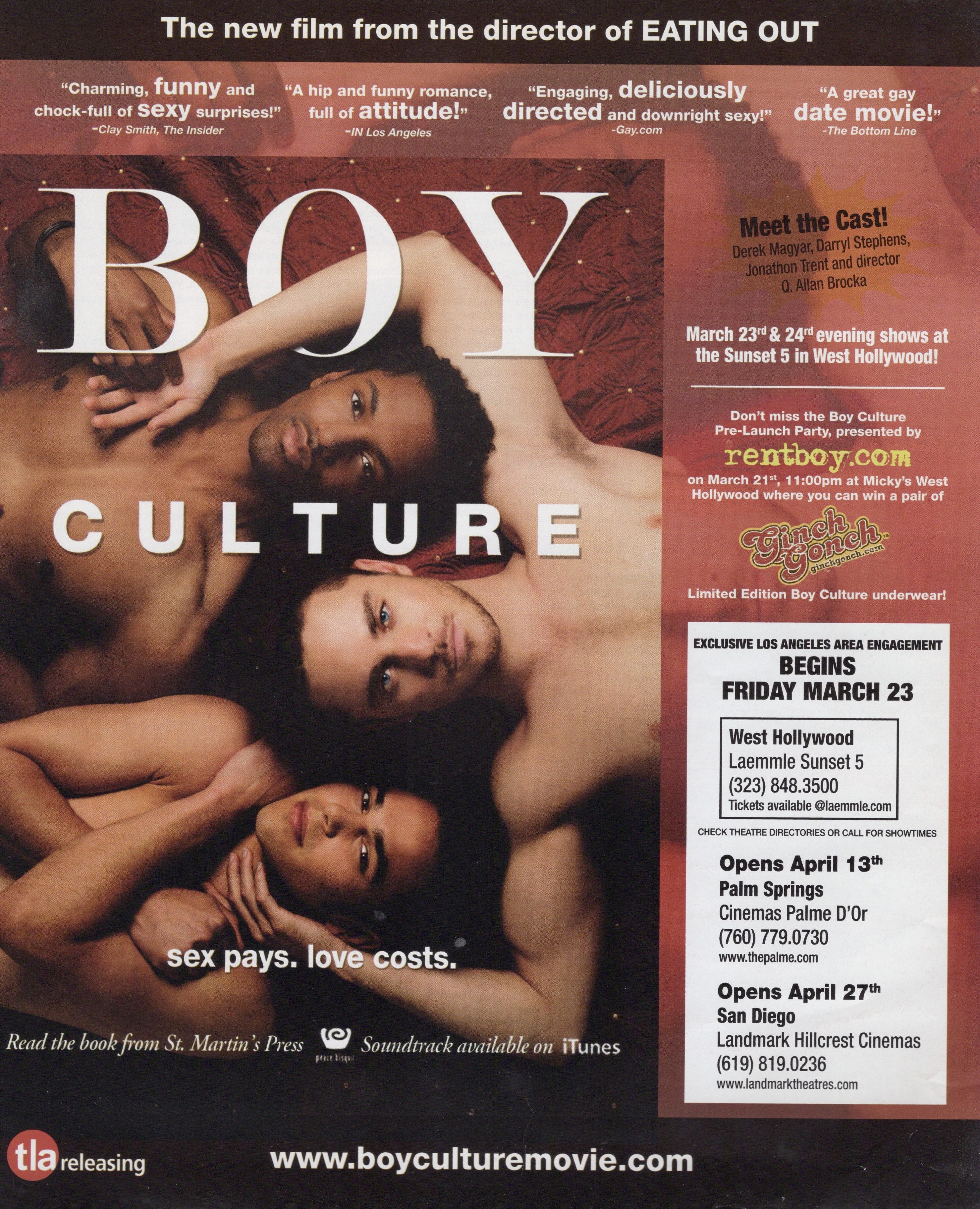
Q. ALLAN BROCKA, DIRECTOR & WRITER: The White Party was incredible. There was this gigantic poster covering the side of a building and all of the White Party dancers were in those Boy Culture underwear. It was like, “My God, this is a film I made?!” Palm Springs did a proclamation of Boy Culture Day on April 14, 2007. The mayor [Ron Oden] was there and everything.


DEREK MAGYAR, “X”: Boy Culture played like a hundred film festivals. At that time, to premiere at Tribeca was a big, big deal for a film like this.
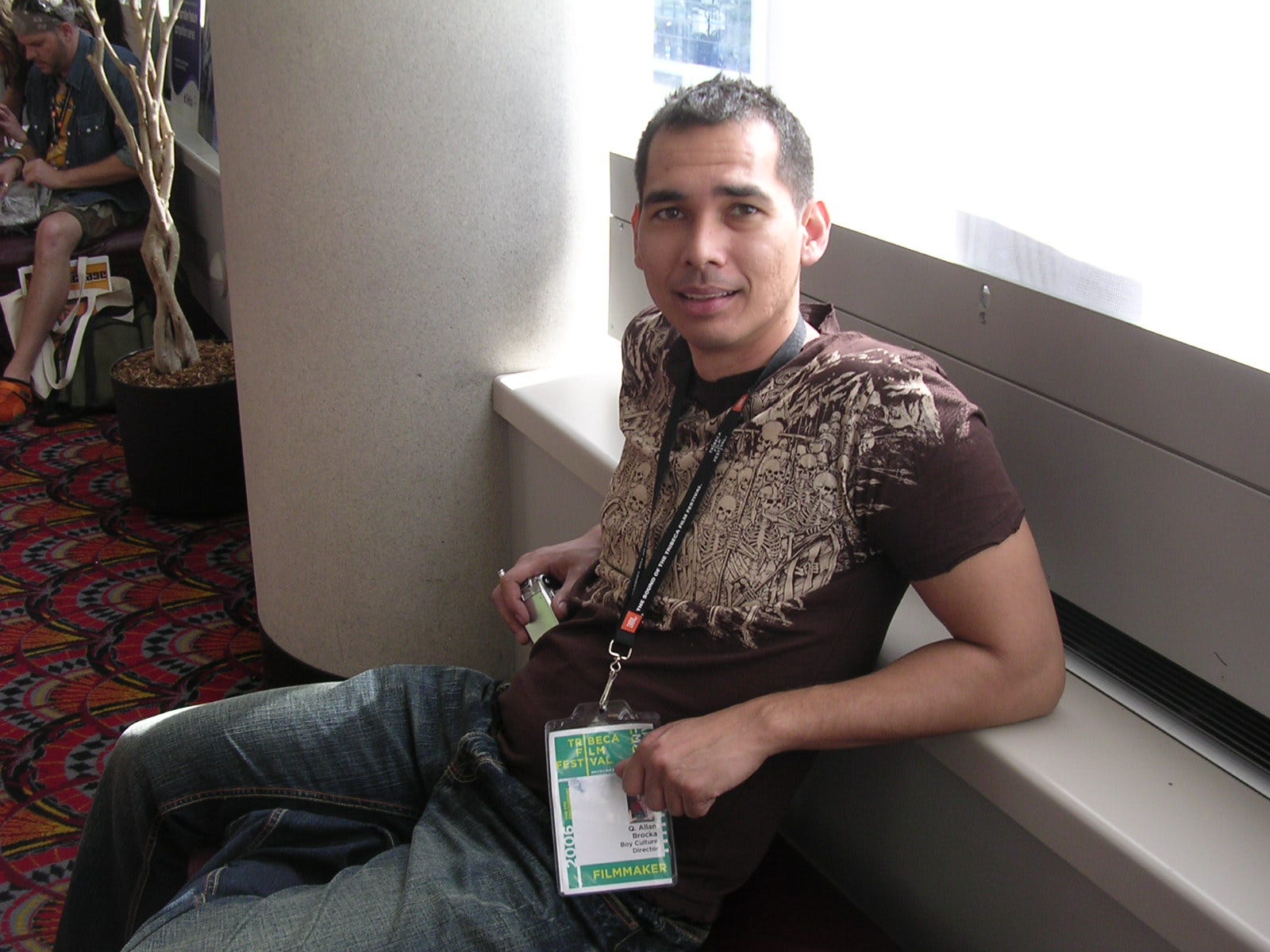


STEPHEN ISRAEL, PRODUCER: The first thing was, “Where are we gonna premiere the film?” We submitted to Sundance, South by Southwest, Tribeca. We really wanted a mainstream, non-LGBT film festival. We were very happy with Tribeca. It was on the Upper West Side in a big theater jammed to the rafters.


MATTHEW RETTENMUND, AUTHOR: My partner and I threw a huge, expensive party in our huge, expensive apartment during Tribeca and we had all these film-world figures plus everyone from the movie packed into our brand-new home. Heady times. I miss that excitement — and the apartment!
Q. ALLAN BROCKA, DIRECTOR & WRITER: I went all over the world with that film. I still think about it often — memories pop up. There are places I only got to see because of Boy Culture. I went to Africa with Darryl to show Boy Culture, all over Europe, South America, Asia. It was an incredible experience.
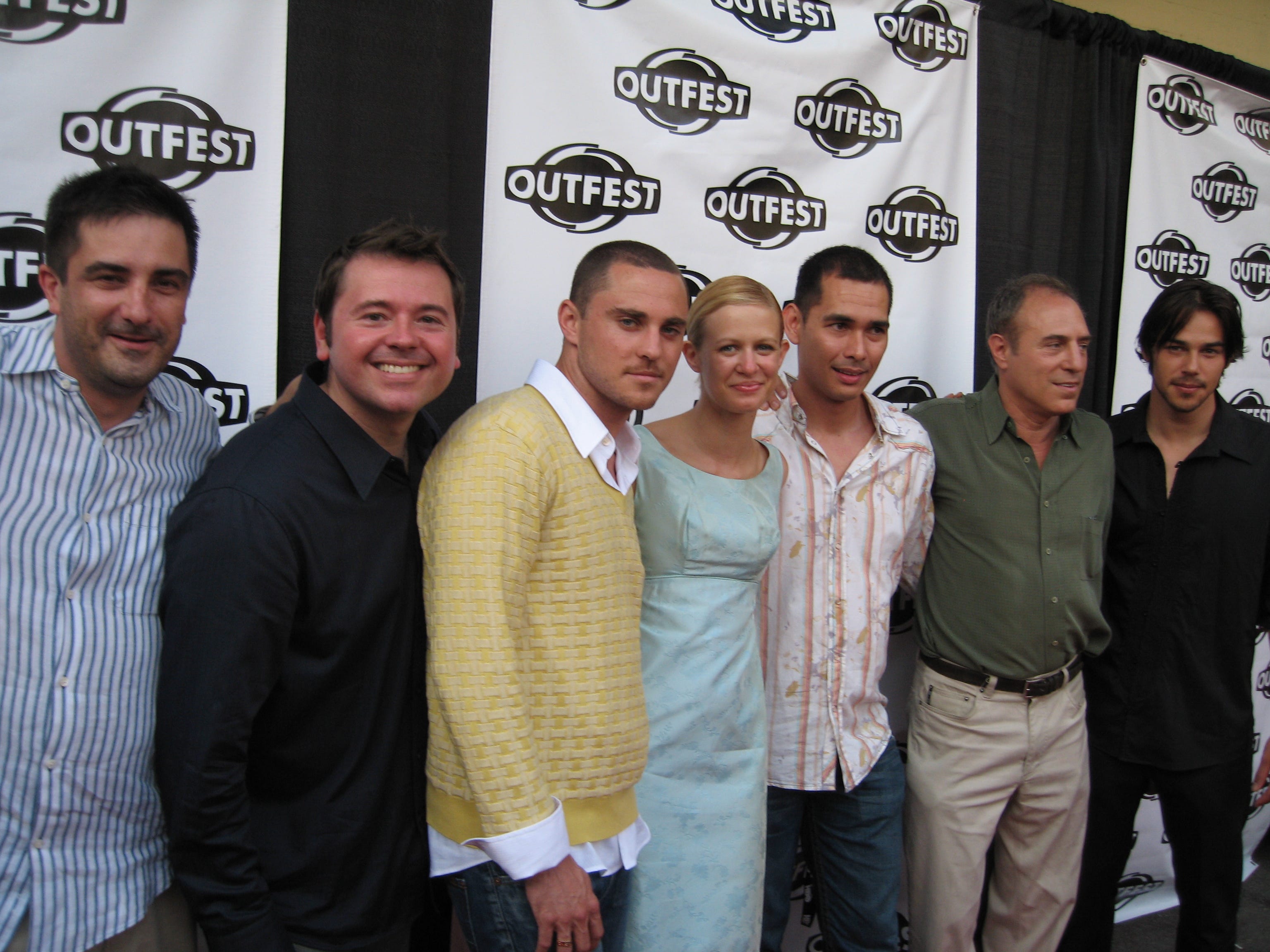
EMILY BROOKE HANDS, “LUCY”: I think the first time I saw Boy Culture was at Outfest … It was just amazing to see everybody after all the time had passed and everyone was so proud.
MATTHEW RETTENMUND, AUTHOR: I loved coming to L.A. for Outfest. It felt so glamorous. I remember meeting Jeff Stryker, and an A-list director who was not out yet raved to me about how beautiful the movie was.
STEPHEN ISRAEL, PRODUCER: Outfest said that they wanted to screen the film, but they wanted to screen it in one of the key screening positions — centerpiece or closing night. And they said that we wouldn’t be eligible for any awards and I wasn’t okay with that. So, I said yes, but only if we were also eligible for awards. We all felt very strongly that we’d made a good film. And history’s proven us right.
MATTHEW RETTENMUND, AUTHOR: And it did win an award for writing for Philip and Allan.
PHILIP PIERCE, PRODUCER & WRITER: Yes, so thank you, Stephen! The film [also] won a prize at the London LGBT Film Festival [now BFI Flare: London LGBTQIA+ Film Festival]. That’s where I came up with the tagline, “Sex pays, love costs.”
STEPHEN ISRAEL, PRODUCER: And just let’s take a moment to remember Brian Robinson, who was such a champion for the film, who just passed away [in August 2026 at 67]. He was a wonderful very sort of English country gentleman. He was very witty and cared a great deal about films. His main job through the year was as the librarian for the British Film Institute, and he was the driving force behind the BFI [British Film Institute] launching an LGBT film festival … He was a long-term champion of LGBT film and just a wonderful human being.
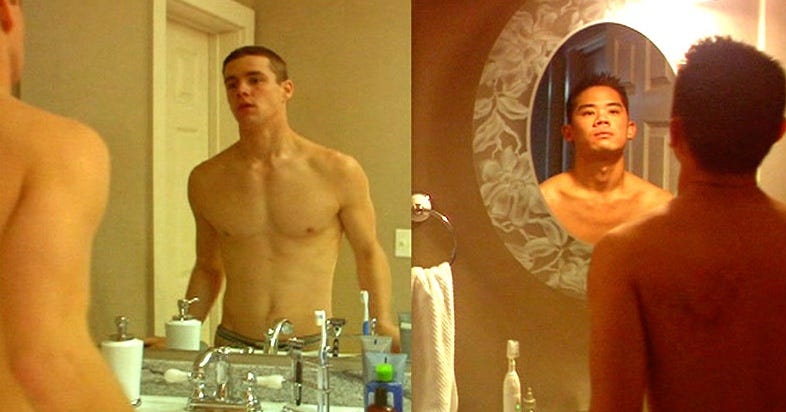
“I Wonder If We’ll Ever Be Able to Do This in Our Lifetime?” — 20 Years of Change
Boy Culture, like any piece of entertainment made two decades ago, is now partly a period piece. The romance is timeless, but there are telltale signs that the world has moved on, and not just the moment when Andrew wonders aloud if same-sex marriage will ever become a reality … less than 10 years before the Supreme Court’s decision in Obergefell v. Hodges.
DEREK MAGYAR, “X”: In terms of story, it certainly holds up.
PHILLIP J. BARTELL, EDITOR: It was so fun to rewatch it because it’s wild to see those bar scenes and see two guys pick each other up at a bar without an app.
Q. ALLAN BROCKA, DIRECTOR & WRITER: I really like that montage about all the work we put into ourselves in order to try to meet somebody because I would often hear people cite that as the reason why they don’t feel like they’re part of the gay community. And I thought that was definitely something X would feel. He would look at that in a very judgy way. And that’s what he does. He’s like, “I don’t wanna be one of these people,” but at the end, they ultimately do connect, meet and kiss, and it’s cute.
MATTHEW RETTENMUND, AUTHOR: If the film were made today, the whole story would be revolutionized by the prevalence of cellphones and apps.
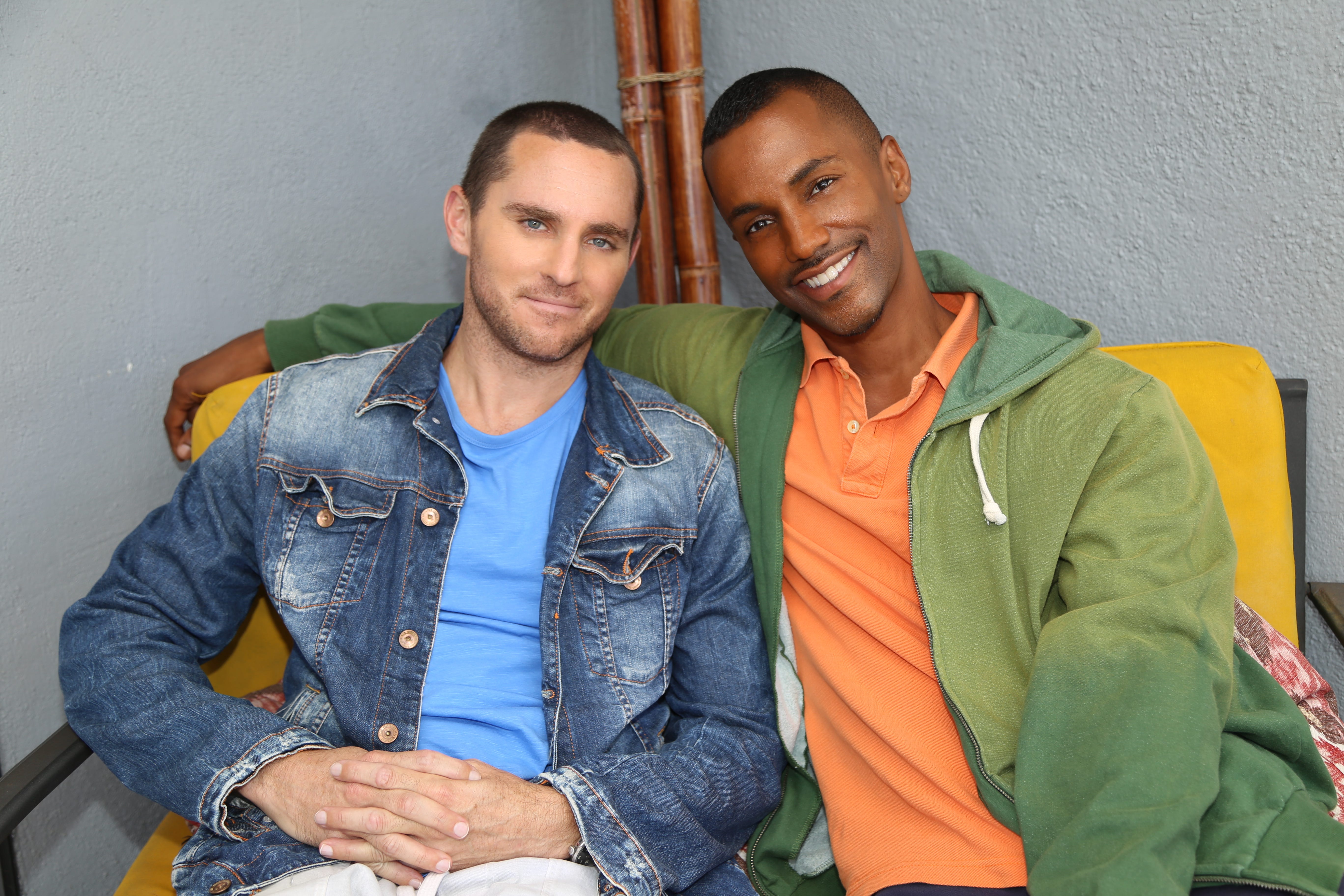
Q. ALLAN BROCKA, DIRECTOR & EDITOR: That’s kind of what we did with Boy Culture: Generation X.

MATTHEW RETTENMUND, AUTHOR: Joey would be an influencer.
JONATHON TRENT, “JOEY”: Right? It’s so funny — if you made this film now, it would probably be so different because the world has changed so much.
MATTHEW RETTENMUND, AUTHOR: Another thing that I was thinking was I was hearing all the language — and some of it is mine — with a heavy emphasis on words like “slut” and “whore” and “prostitute,” “hooker,” “trick.”
STEPHEN ISRAEL, PRODUCER: I remember the escort community was particularly vocal about how much they liked the film.
DARRYL STEPHENS, “ANDREW”: The sex industry has expanded into territories that at that point we had no clue would even be possible, right? Nobody anticipated that everybody would be at home making their own porn and putting it on the Internet for the world to see. I don’t think anybody saw that coming. But people are still being judged for doing sex work or for being promiscuous or whatever — those words are still being thrown around. They still have the same weight.
DEREK MAGYAR, “X”: In some way, shape or form, whether you’re an actual hooker or not, you’re a hooker. You know what I mean? It’s like now, that word is very broad. You could be someone who creates content and be a hooker. It’s much more open.
MATTHEW RETTENMUND, AUTHOR: Thanks to OnlyFans, the prices are beginning to match. In the movie, X is picking up a check for five grand and when I first saw the movie, I thought, “God, did I write that in the book? Could someone really be making $5,000 for one session and sex isn’t even involved?” Now, some of these OnlyFans models are getting far more than $5,000 and are jetting off to Tulum.
DARRYL STEPHENS, “ANDREW”: And things have changed with queer cinema 1,000%. Heated Rivalry being the outlier. There have been quite a few films in the last few years — gay, cisgender, male-driven films. TV is a different story. I would say TV is definitely falling back into some old patterns — I don’t know if you’ve seen Paramount+ lately, but it’s all white men and cowboy hats.
We had Boots with a very diverse cast. It had all kinds of stories. And I felt like that was exactly what gay TV should look like. And the Pentagon, Hegseth, had harsh words for it. And then the show got canceled.
Another thing that’s changed has to do with the state of the market. Boy Culture was shot in an era Israel refers to as a “golden-age moment in queer film” that ended shortly thereafter.
STEPHEN ISRAEL, PRODUCER: What changed was, very simply, the collapse of the DVD market and the advent of streaming. A big part of, particularly, LGBT film revenue came from DVD sales, so distributors were willing to pony up a bit of extra money for an LGBT film. And then, literally, I think the year after Boy Culture came out, the DVD market collapsed almost overnight. It took a long while for streaming to pick up the ball— and I’m not sure it ever has, quite.
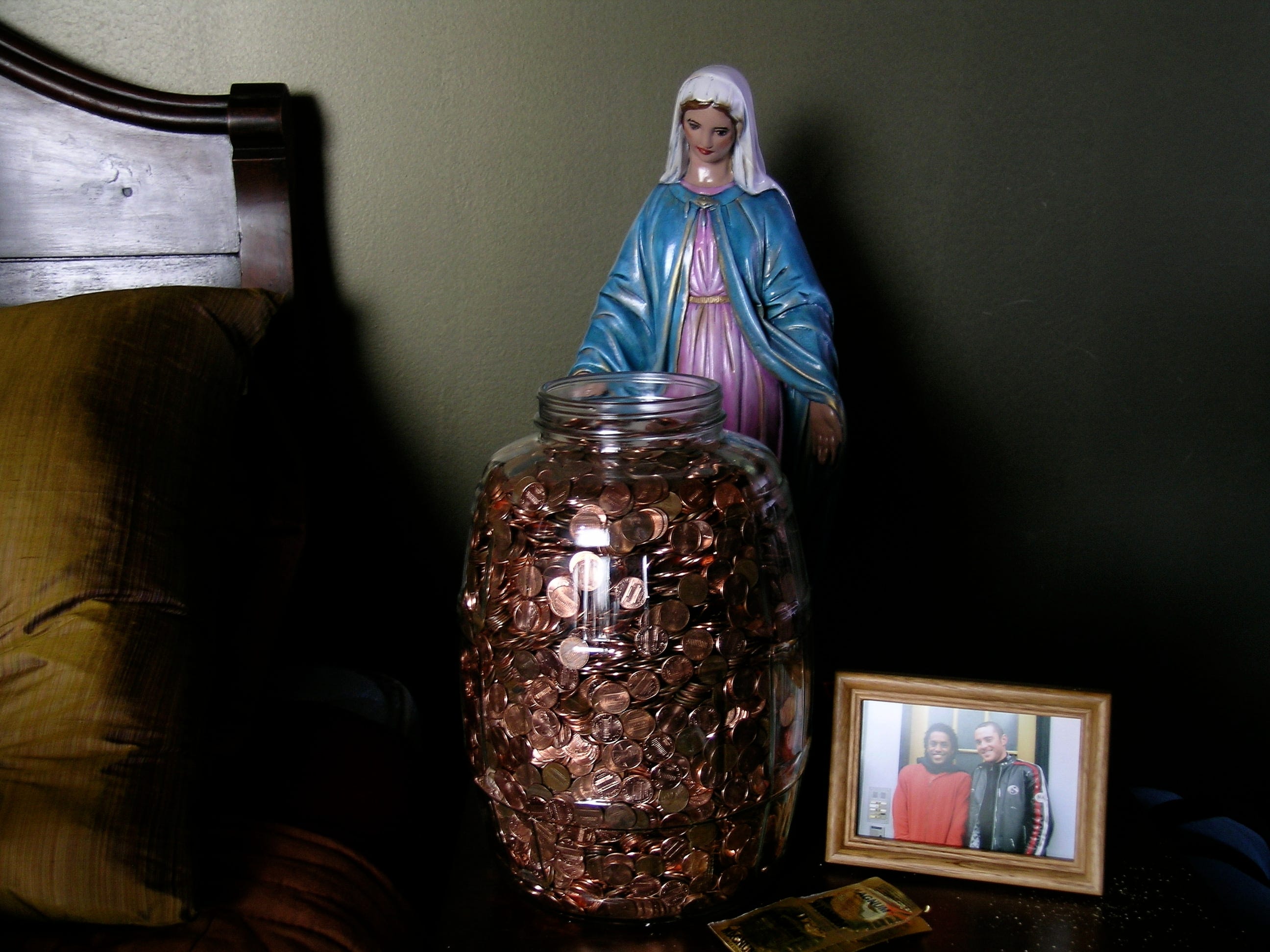
“How Many Hail Marys Is That?” — Thoughts on Legacy
In an interview for this piece, Allan said of his late uncle Lino Brocka, “He just did so much to try to change the world, and reflect the world that he saw and make it a better place.” Examining a legacy is what any good oral history should do, so … what is Boy Culture’s legacy?
DEREK MAGYAR, “X” I think the film’s message is that love is love. A connection between two people is a connection between two people, and that can be and should be a beautiful thing.
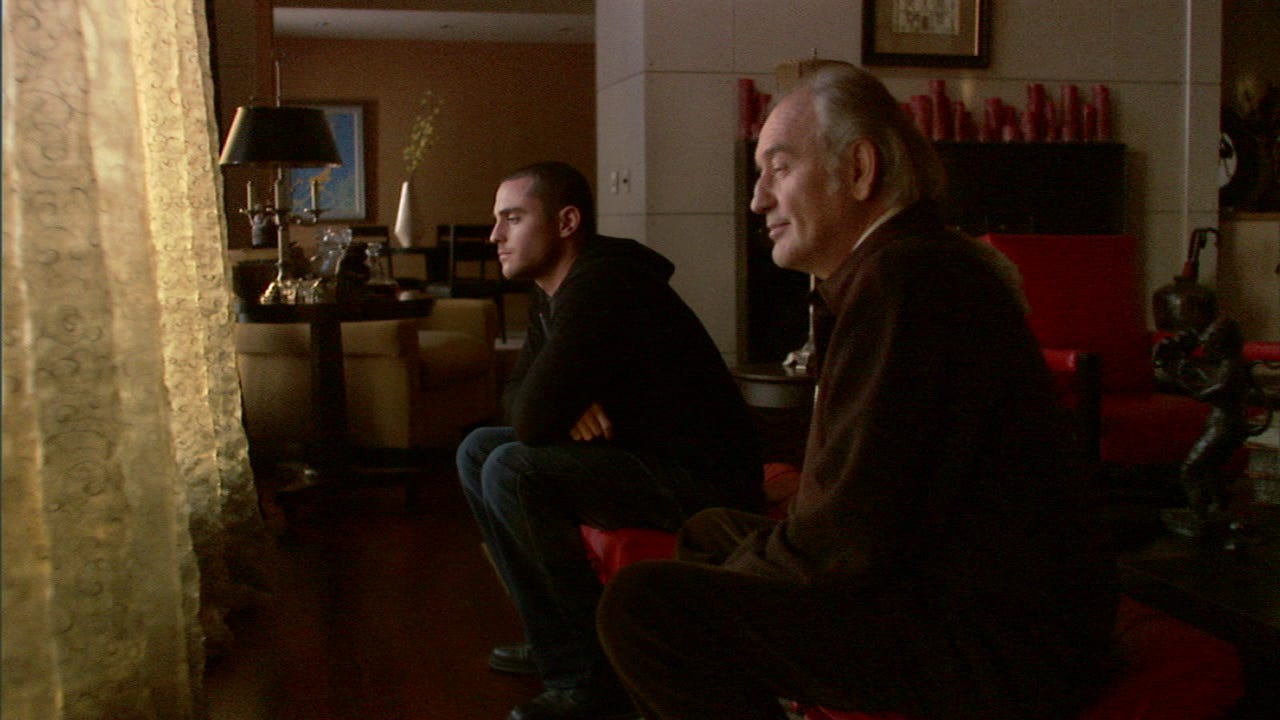
STEPHEN ISRAEL, PRODUCER: One of the things I think has always been important about the film is … it shows people just being gay, just living their lives.
PATRICK BAUCHAU, “GREGORY”: Judging by the questions, I’m glad it’s maintained relevance. It was singularly unpretentious, which is what drew my attention.
MATTHEW RETTENMUND, AUTHOR: I think the message of Boy Culture — my novel and Allan’s film — has to do with hope. It talks about some of the dark sides of life, but ultimately, there is a familial bond between the characters. I would say the concept of a chosen family is a big part of it.
PHILIP PIERCE, PRODUCER & WRITER: I had been active in ACT UP in New York, and the theme for me was that sometimes it can be more risk not to take a chance than to take it.
DEREK MAGYAR, “X”: I’ve had a lot of people come up to me just to say how much the film touched them, how it helped them open up with their own sexuality. Those are incredible things to hear, that people can connect with a story or character and it helps them in their own life. To me, that’s the ultimate success and ultimate accolade.
JONATHON TRENT, “JOEY”: I think we’re still talking about this film because it really hit a chord with a lot of people. It just kind of transcended what a lot of films try to achieve and this one did. And it’s worth continuing to talk about and revisit, and I think people still wanna watch it and are still enamored with the humanity of these characters. And it’s a time capsule that’s gonna live on forever, I think. I really do.
Q. ALLAN BROCKA, DIRECTOR & WRITER: One of the things I always liked about it is that at the center of it there’s this kind of dark, sarcastic person who is very much how I see myself, who never thought he would experience love, right? That love was something that happened to other people. And that even for someone who is so cynical and so dark and doesn’t believe in love, it can happen to you. And that’s one of the things that really connected me to the story — maybe it’ll happen to you, too.⚡️