

July 2, 2026
People who’ve read me for years know that ever since I was a kid, I have been fascinated by celebrity obituaries. I write them to this day, both for my day job and for my site Gr8erDays.com.
But this is not an obituary I ever dreamed I’d be writing, and is one that I have tried to avoid for the past month, even as it became increasingly clear I was writing it in my head.
It isn’t the same when the person wasn’t famous, but was instead a part of the fabric of my life. Writing about a friend, there are no iconic aspects that everyone already knows about, leaving me with an impotent urge to explain who they were and what they meant in one essay.
Some of you know that my good friends Zafar Mawani, my University of Chicago roommate, and his husband Guillermo Ortiz went missing in Mexico on May 20.
Tragically, their bodies were found in June and positively identified June 25.
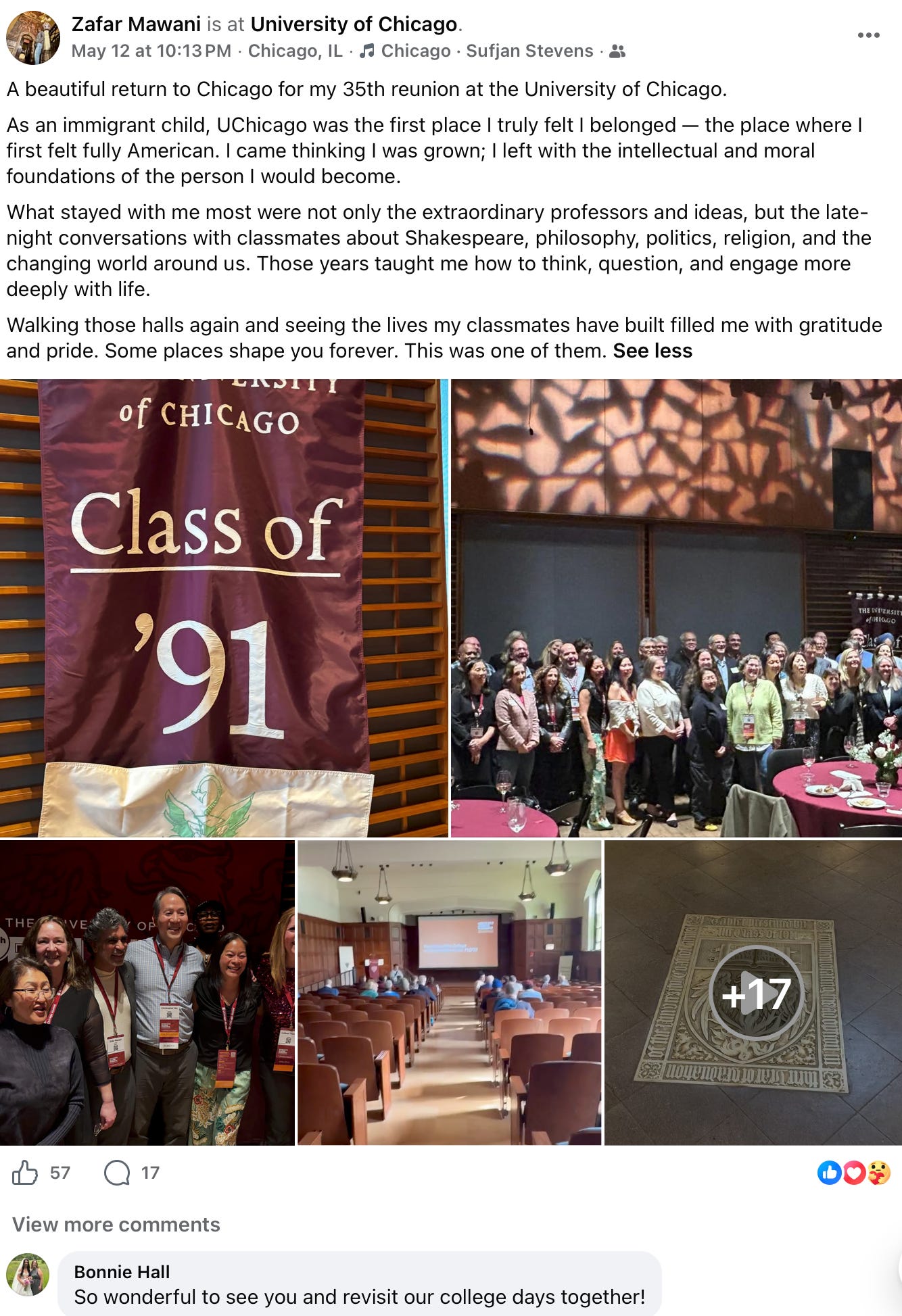
Though Zafar was my best friend in college, and though we saw each other many times through the years — as recently as 2024 — we were not in constant touch. I think we all have beautiful, warm friendships from the past that play out this way, going from being together constantly to seeing each other sporadically and picking up exactly where we left off.
Because of that distance, I had no idea, at first, that Zafar was missing. Nor did some of his other acquaintances, one of whom mentioned to me in passing on May 22 that Zafar and Guillermo, who was born in Mexico, were in the process of moving to Mexico City.
I immediately hated this idea. I can’t stop thinking about that conversation now that I know what happened. The bad reaction I had is just something I can’t get out of my head, like Zafar’s laughter or Guillermo’s twinkling smile.
On May 23, I texted Zafar for the first time this year. I wrote that I’d heard he was “Mexico City-bound? Forever?” because I was having a hard time believing they were really moving from their gorgeous Chicago home, where Zafar was able to be close to his mom.
I didn’t hear back, which was weird.
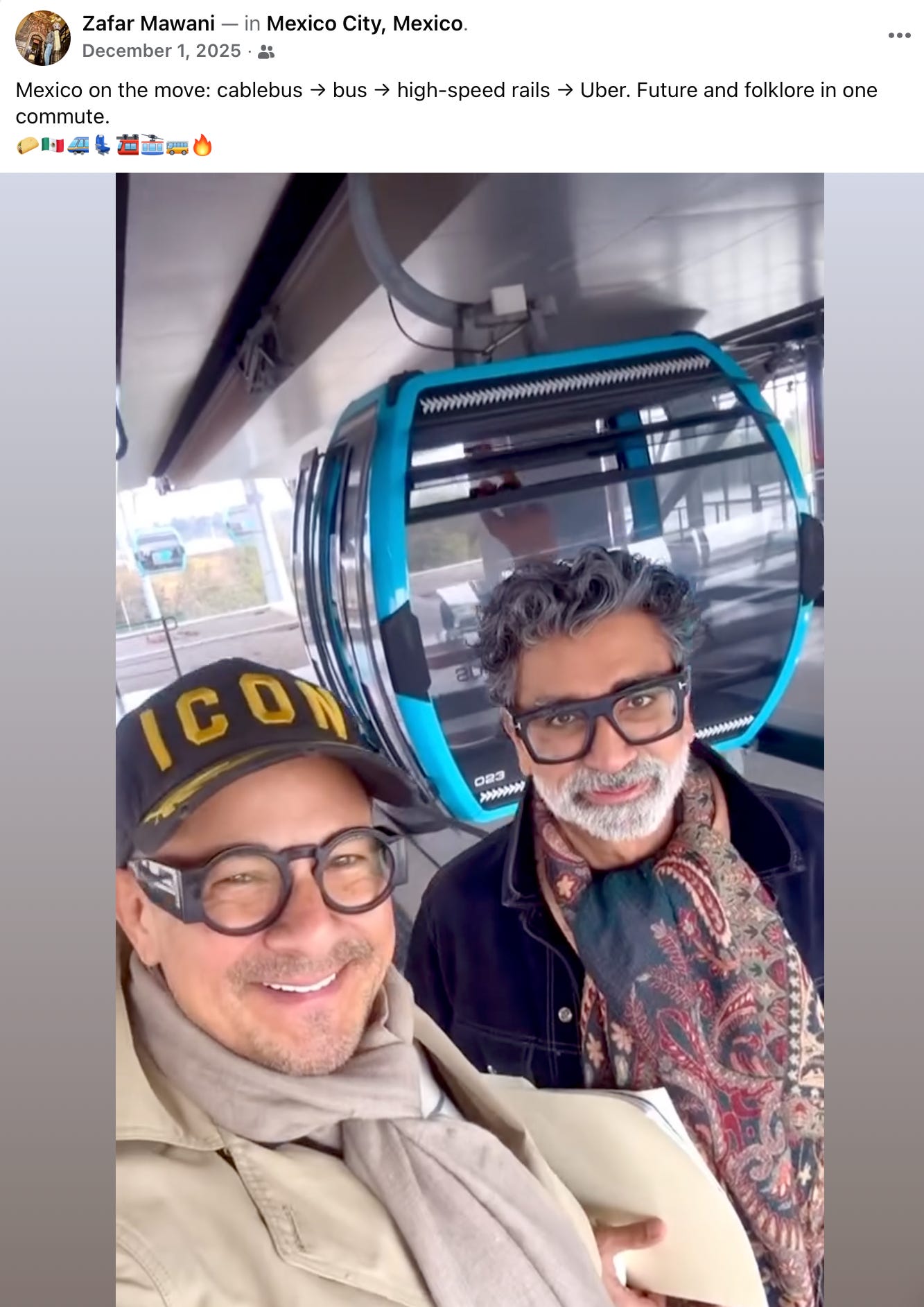
Within a few days, a fellow U of C grad shared a Facebook post detailing that Zafar and Guillermo had gone missing. In short, they’d met someone pretending to have access to a special chair lift that they wanted to buy to help his mom, who has Alzheimer’s disease. They’d been moving her to Mexico City with them. From what was known at the time, Zafar and Guillermo got in his car as passengers and vanished. Friends in the area alerted authorities because Guillermo uncharacteristically sent his location via WhatsApp while on that car ride, indicating they must have sensed something was wrong.
I keep pondering what I imagine was their terror in that moment.
The following day, money left their account, another terrible sign that they’d been kidnapped. This part of the story was why I felt fatalistic about the outcome. I was trying to imagine why a kidnapper would need to keep them around if they’d managed to get money without extracting a ransom. I also feared for them knowing that the idiots who decided to steal from them were relying on electronic theft, which meant they would be traced and caught. Anyone so reckless couldn’t be trusted not to act rashly.
I wrote about Zafar and Guillermo going missing briefly, but then resisted posting on social media when I was told the families did not want publicity. There were mixed signals there and I felt helpless, detached. I was not a best friend anymore, so I was receiving news randomly on Facebook and via a WhatsApp group.
In spite of the negativity that was taking me over like a descending fog, distracting me at odd times during the day, leading me to picture what could be happening — or what could have happened — to them, I allowed it to cross my mind several times that perhaps there was a secret negotiation happening, and that the authorities were advising family members that public stories could jeopardize the outcome. After all, while many people are kidnapped in Mexico, many are returned after money is paid, and I knew Zafar and Guillermo to have resources and to be extremely smart.
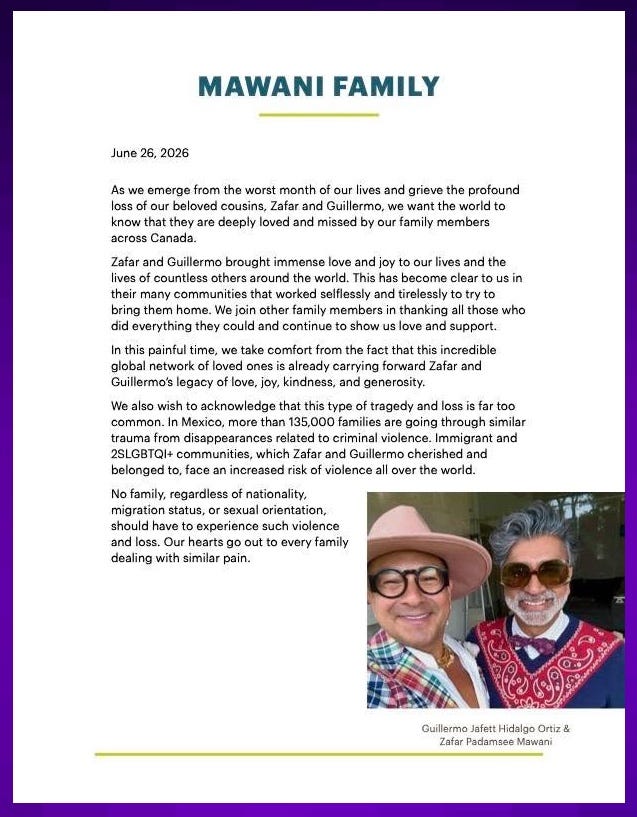
When news broke that Zafar and Guillermo were thought to have been found dead (along with a male-female couple from Kenya, coincidentally Zafar’s birth country, whose names have yet to be confirmed), I found out many hours after, and only by accident. I happened to see an “RIP” on Facebook and just could not believe it.
When I write that I couldn’t believe it, I mean it. This is a feeling that still persists for me. I’m a realist, but I just can’t truly connect my understanding of what happened with an acceptance that it is real. The closest thing I can think of is the movie Pitch Black, in which people are snatched by monsters and disappear forever into the void. The kind of disappearance that befell Zafar and Guillermo feels like that — abrupt, inexplicable, terrible. It has left me feeling scared all the time, unsettled. It feels like something foundational in my life was ripped away for no reason.
I think a lot about Zafar and Guillermo’s immediate survivors, and I think about how mine would feel if I were to suddenly cease to exist.
I think a lot about the real-life monsters who did this — and “this” so far comes with very few details, which I’m bracing to hear and which could make a horror even harder to take. According to reports, the people arrested, who led authorities to my friends’ bodies, were a gang run by a female former cop. I can’t wrap my head around why they thought murder made sense. I’ll never stop thinking about the disgusting shame of their decisions leading to so much pointless loss.
But of course, I think the most about the guys, and especially about Zafar, who was a part of my life for so long.
I had come out as gay to friends right after graduating high school. I was so eager to actually be gay I literally chose to go to the University of Chicago — a phenomenal and phenomenally challenging institution — mostly because it was in a big city and because when I visited, I saw a flyer posted for a Gay Student Union.
Once I got there, I realized right away that while Chicago was dynamic, the University of Chicago, famously overrun by stone gargoyles, was deeply serious, feeling asexual at times — the opposite of a party school. I lived in a dorm called the Shoreland, a former luxury hotel that was a mix of students and very elderly original tenants. My first roommate was a clueless surfer dude who at one point asked me from his bed at night, “Dude, someone told me someone in the Shoreland is gay. Do you really think there might be a gay in our dorm?!”
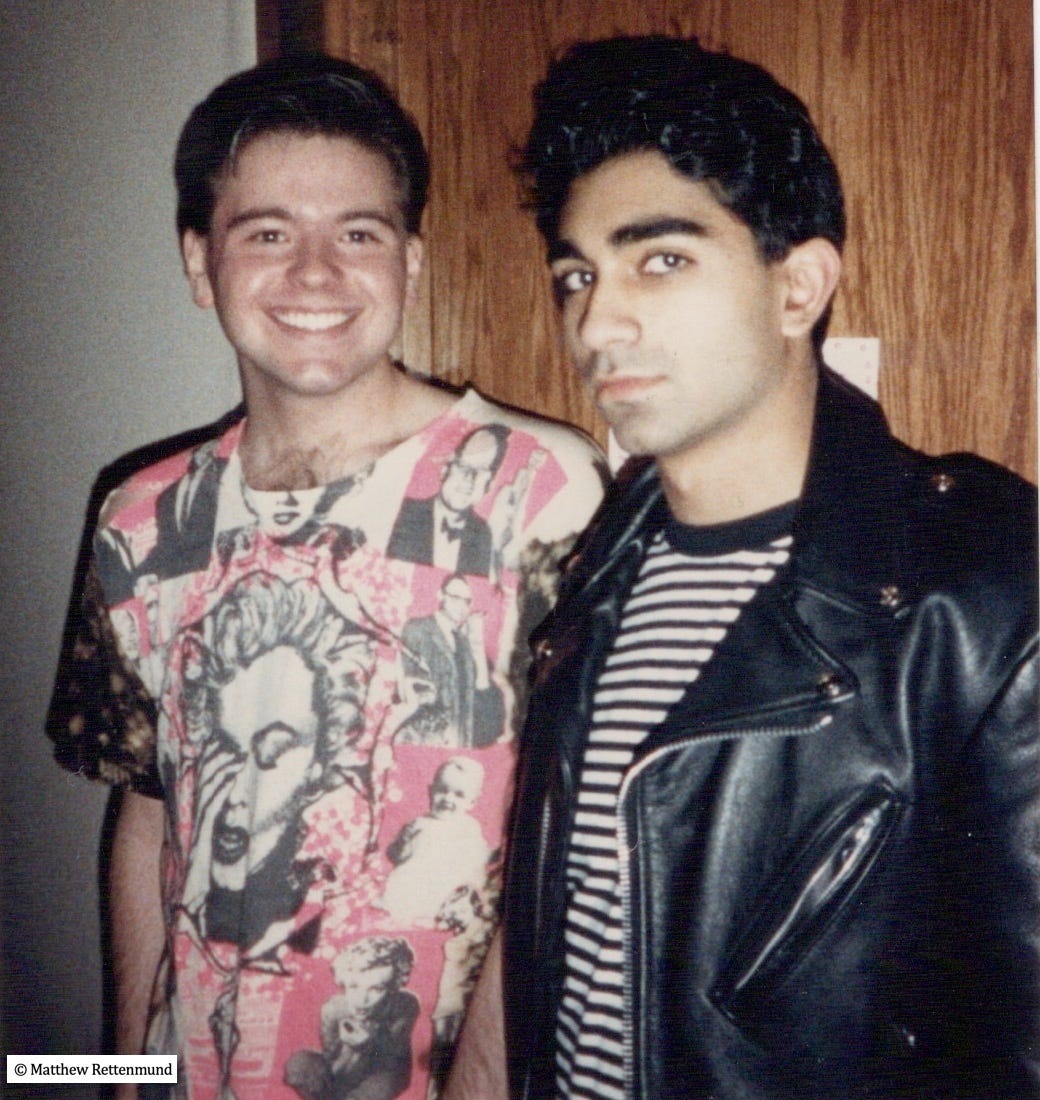
When I first met Zafar, I swear we were like a camp, user-friendly version of Leopold & Loeb. Not the real Leopold & Loeb, but the John Dall & Farley Granger Hitchcock version. Every interaction we had was rife with suggestive comments that stopped short of acknowledging the obvious — we had sussed each other out as queer instantly. Instead of ‘fessing up, we began a dance.
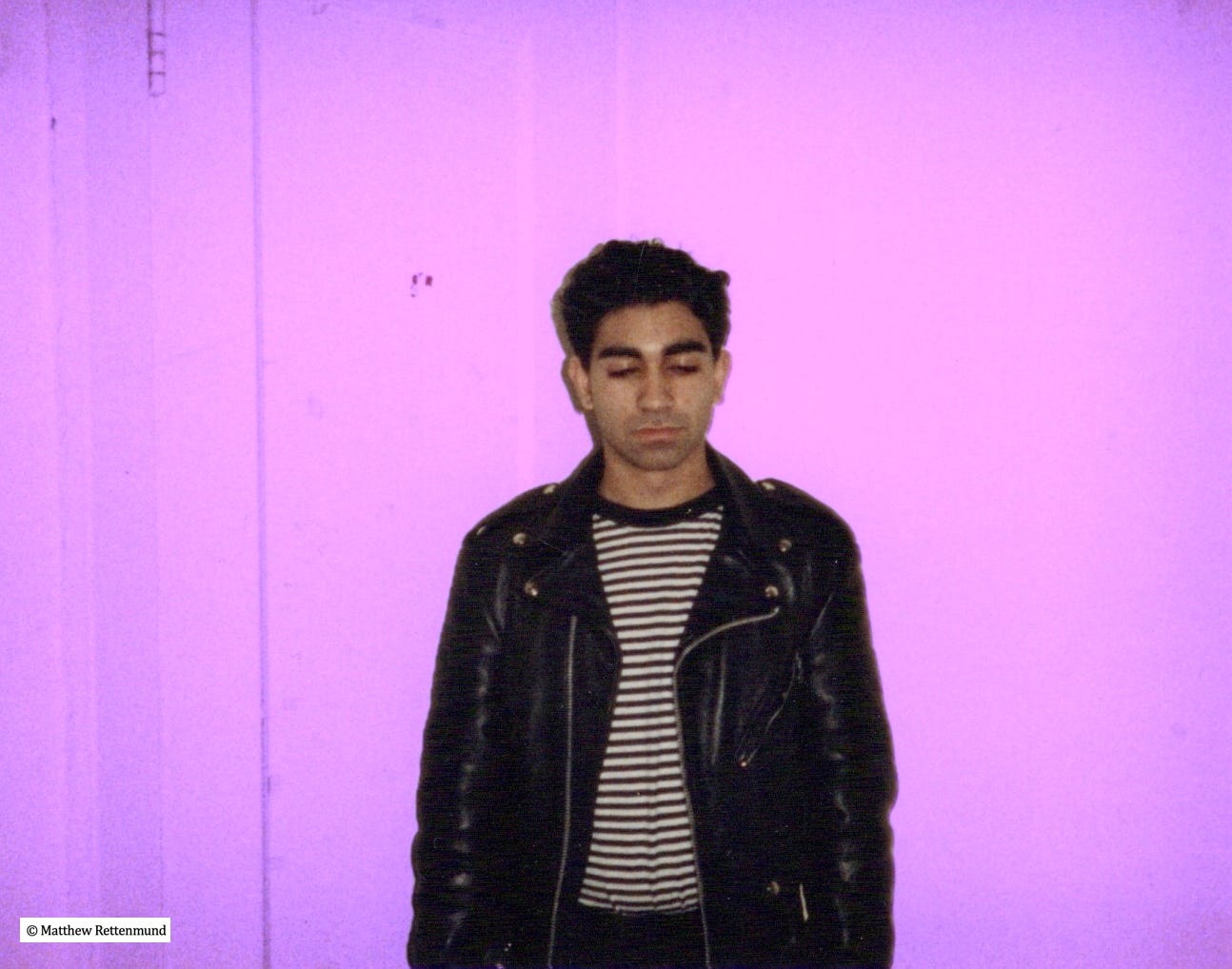
Zafar was beautiful to look at, with enviable black hair, a strong brow and a teasing stare that was several notches over the top, especially right after he had made a good point, one that satisfied him. The overall effect was that he was stunning, but too playful to be intimidating.
By then, my roommate had moved out due to a family tragedy and I had gotten brave, decorating my half of the dorm in a way that was ridiculously gay. It included a homemade candle from my only high school sorta-boyfriend with a Robert Mapplethorpe postcard held in place by the wax, plenty of Madonna, Dietrich, Garbo and Monroe paraphernalia and a stack of books by every imaginable gay author.
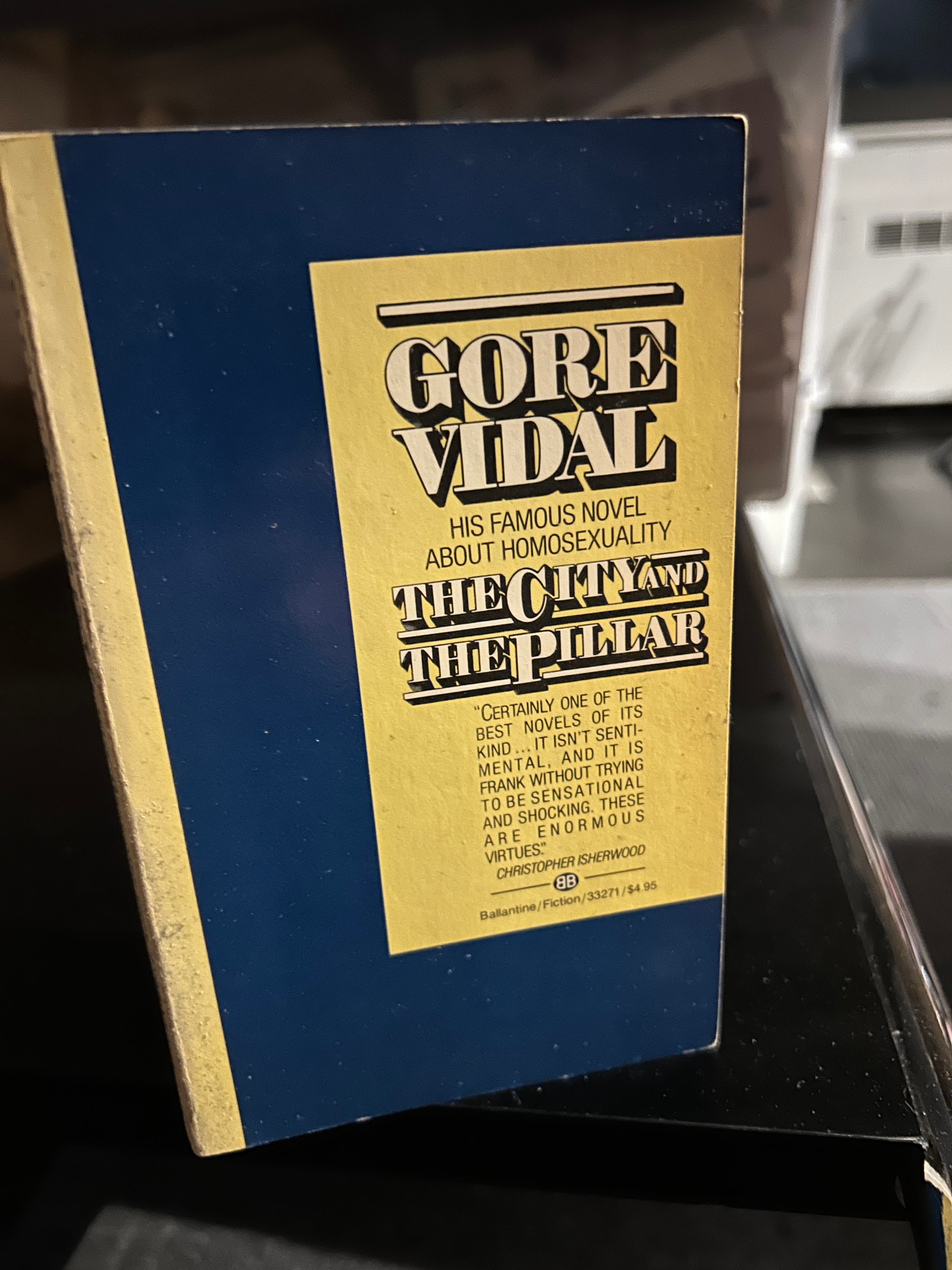
I will never forget when Zafar, after trying to get me to state the obvious for weeks, came to my room — ever-present cigarette in hand — and indiscreetly eyeballed my little queer altar. He turned to me and uttered the immortal line, borne of exasperation, “Ah, Gore Vidal. Do you like his work … or his life?”
I laughed so hard and told him, “Both, but especially his life.”
I said I was gay, if that was what he was asking. From then on, we were besties. Zafar up close was a character to a small-town Michigan white boy like me. He had male glamour, dressed well, comported himself like royalty, yet was completely vulnerable with me and kind. And generous. He thought I was the funny one, but he was a riot, and one thing I remember vividly is when he would say something witty he would crack himself up and stick the tip of his tongue out and laugh the sweetest, most infectious laugh. He laughed a lot, and made me laugh a lot.
We wound up sharing a suite the last year before he moved out into an off-campus apartment, during which time we became as close as brothers — or sisters, really. We knew absolutely everything about each other, and he was my first adult best friend, someone I was so comfortable with he came to feel like another part of my brain. I truly was not embarrassed to tell him absolutely anything. He knew I kept a diary and one day asked to read it. I handed over a volume, he devoured it and was scandalized by some of my musings that I won’t go into, but I did not hesitate for a second to show him my innermost thoughts.
We were coming of age and talking about it, conversations that if I could hear them back verbatim today would probably make me cry; at the time — this was the late ‘80s — we thought we were wicked, wicked boys being queer, and in reality we were painfully innocent (and scared to death of AIDS). We once watched a Jeff Stryker movie together with a complete lack of erotic charge, instead analyzing everything that happened in it and wondering aloud how the hell that was possible.
It felt like we were a team dedicated to figuring out grown-up life.
It was around this time we learned a valuable lesson — do not try to fool a mom. I was living off-campus over a summer and Zafar’s mom called me one day asking if I’d seen him. I said no before she told me he’d told her he would be with me all day. Realizing I was blowing his cover, I quickly rebounded with, “Oh, he’s not here now, I meant — he just left.” Let me tell you something. As someone who has a poker face and whose only acting gig in college resulted in a rave review, I am not the actor I think I am, because she did not buy it. I confessed and Zafar and I vowed not to forget to tell each other when we were expected to be alibis.
The next alibi we cooked up was more successful. My dad and sister came to visit and while I attempted to keep them away from my dorm room — which was wall-to-wall gay — my sister had to use our bathroom. I insisted on sealing off our bedrooms and confining their visit to the hallway and the john. I told them Zafar had a girl (!) in there. They didn’t exactly buy it, but they also didn’t know the truth, and Zafar was in on it so we never got busted.

Part of our staying in touch was written communication. We hung out all the time, yet our dorm had a front-desk messaging system that consisted of “While You Were Out” slips students could leave for each other. This allowed us to stay in constant contact — no more mom misunderstandings or dad near-disasters.
In truth, we left each other notes every day just because we both loved receiving them.
In 1988, Zafar and several other friends traveled with me to New York City, my first time in the place I would later call home, when I became determined to see Madonna on Broadway in Speed-the-Plow. Having only seen her from a great distance in a Who’s That Girl Tour stadium, this promised to be a massive adventure — and was. I was the only one who liked the play.
Unlike all my well-heeled pals, I was miserably broke, unable to buy all I wanted at the legendary Record Runner music shop in the Village, but we had fun exploring MoMA, paying too much for hamburgers ($10!), dressing up to go clubbing and walking the length of the island. Zafar and I got to glimpse the dying days of the outwardly gay West Village.
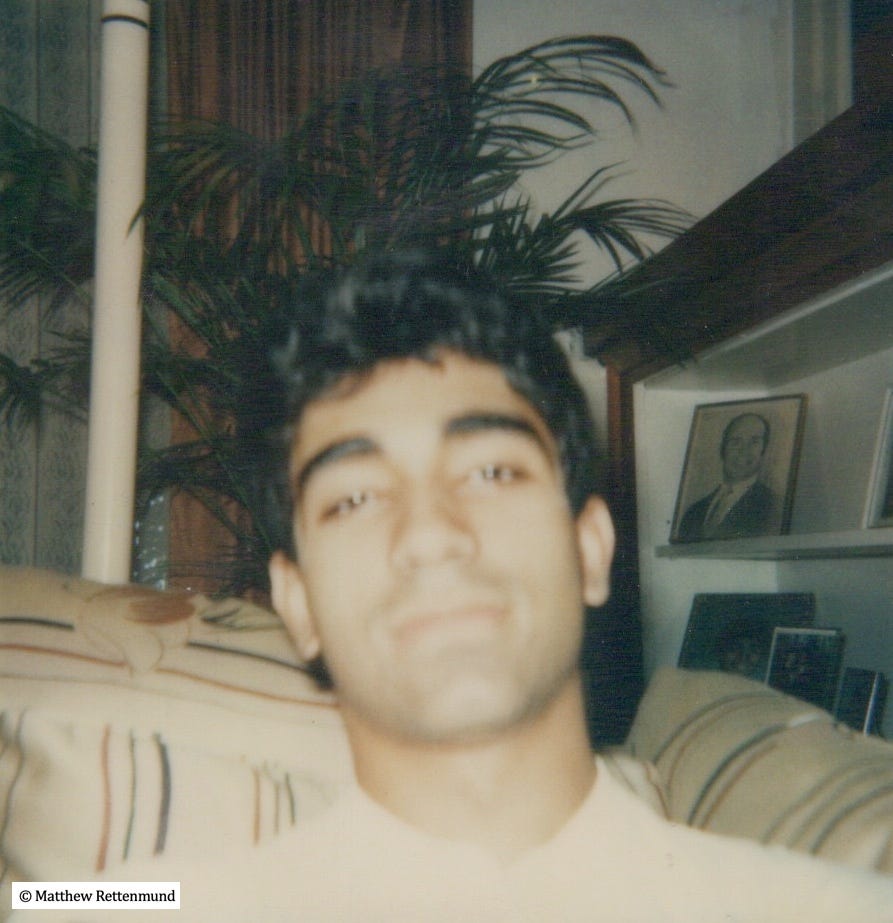
Back at college, one of our running jokes involved an aspect of his Ismaili faith, the religious leader of which was the hereditary Imam the Aga Khan. Somehow, he found a vintage ad for English chocolate that problematically used the tagline, “Rich and Dark, Like the Aga Khan.” We laughed our asses off and he used that line to describe himself. For almost all of Zafar’s life, the Aga Khan IV held the position. (Another son of Aga Khan III had married Rita Hayworth. I’d always found the mix of culture and glitz a perfect reflection of Zafar himself.) When the Aga Khan died in 2025, I texted Zafar and he thanked me for remembering, calling it the end of an era and quoting the ad.
Life moved on, and I moved out of the dorms and saw Zafar less frequently. When I moved to NYC and he moved to DC, we wrote letters I can’t bring myself to revisit yet and saw each other as much as possible, watching our weights go up and down, usually out of sync.
He was the person I stayed with when I took the bus to DC for the March on Washington in 1993.
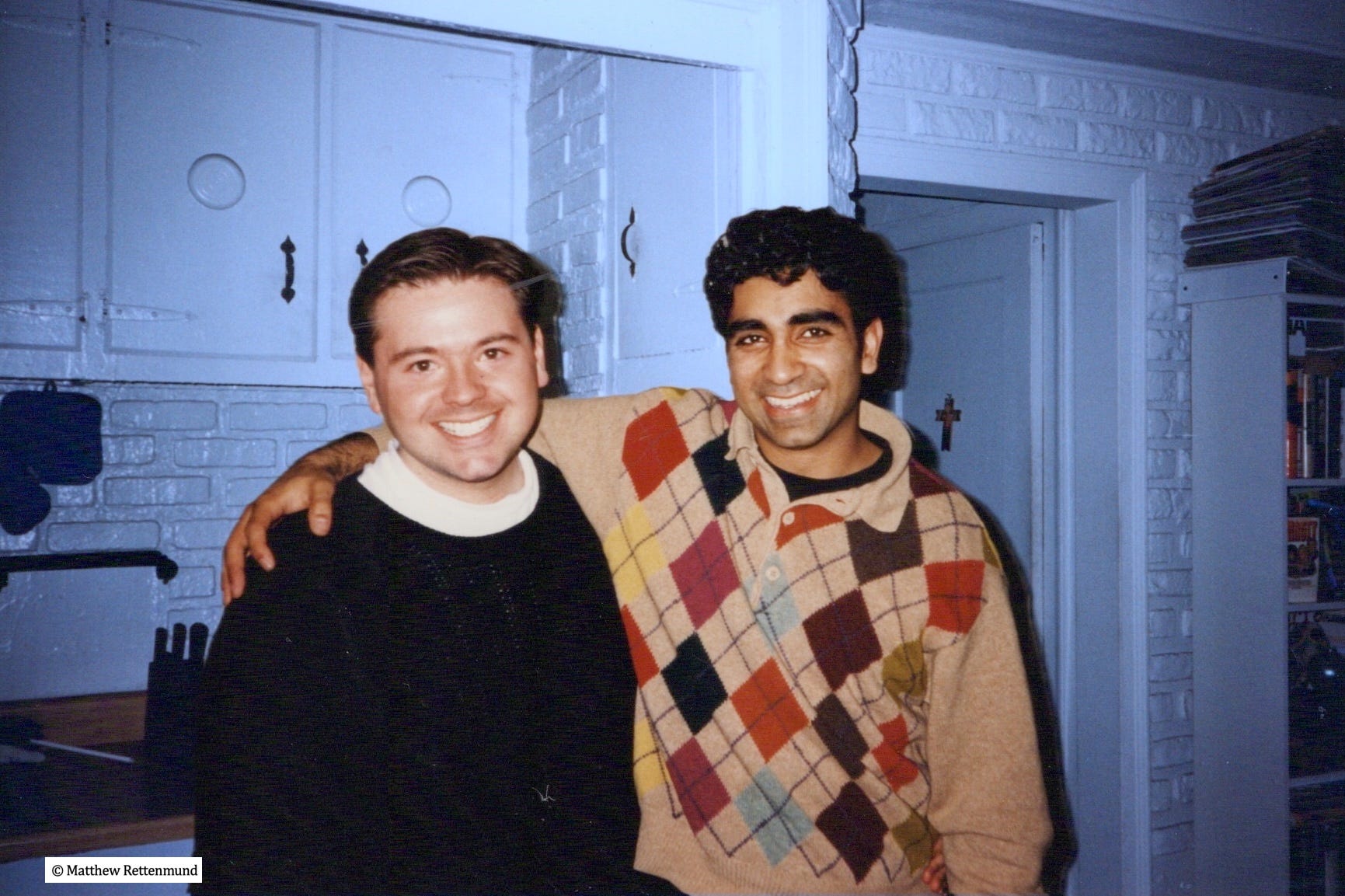
I knew he had dated a Mexican boy and had had a very passionate, deep affair with him, but they broke up. I was flabbergasted to learn they’d bumped back into each other many years later and were life partners, a miracle of COVID.
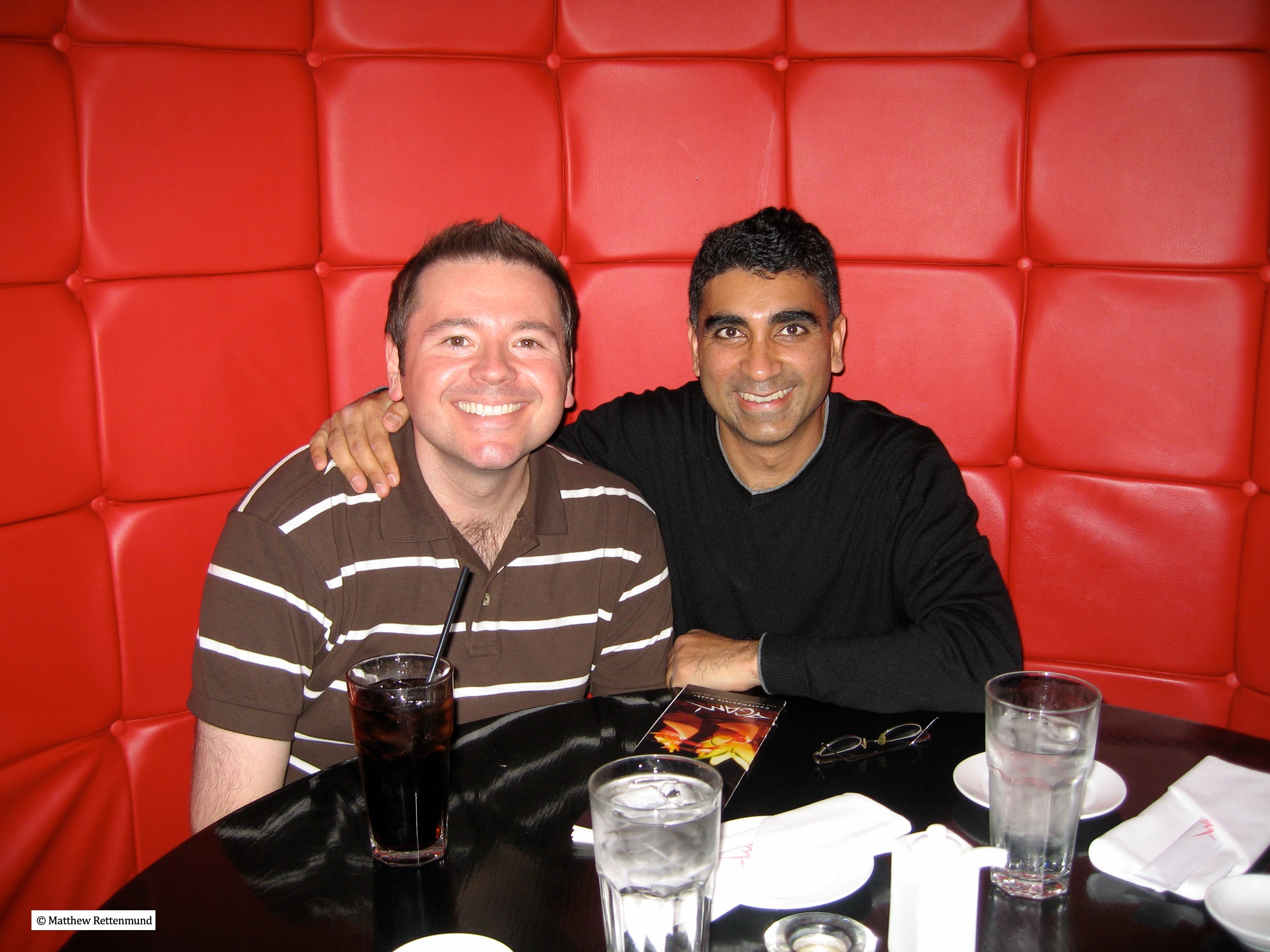
I’d seen Zafar lots over the years, but meeting him once he was back together with Guillermo was a trip. If Zafar had been flamboyant, Guillermo was unapologetically outrageous! He loved nothing more than to mix designer labels like alphabet soup and turn it out, even for lowkey dinner dates or just for walking down the street. This rubbed off on Zafar, who — while he could never match Guillermo’s flash — complemented his husband’s style gamely and with glee.
They were the most fun couple ever. The few times I saw them both, they were like socialites, but warm and grounded under all the couture. Guillermo was into Madonna, as am I, so I would see images of them at Madonna concerts or at art openings or parties, always smiling and laughing and being silly.
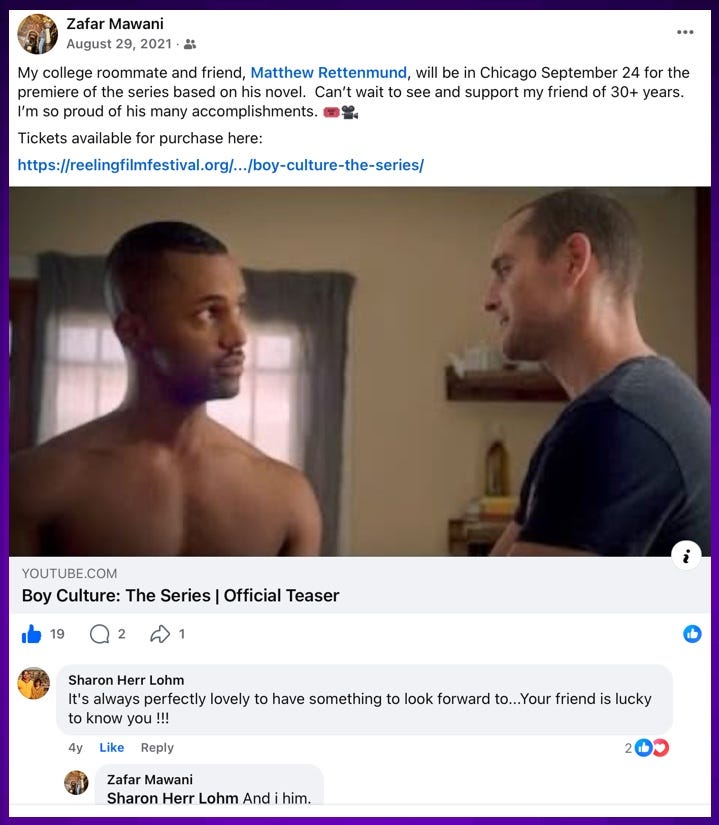
Zafar was one of the most supportive friends I’ve ever had. I would never have asked him for money if I needed it, but if I had needed it, I would have felt safe asking. He always puffed me up over my writing, and was one of the people to whom I dedicated my first novel in 1995: “To Zafar, a Sister.”
When that novel became a movie 20 years ago, he attended its Chicago premiere. When that movie became a series in 2021, he was back to support me, this time with Guillermo and their friends. There was a small red carpet, and Zafar and Guillermo were very large parts of it. Not only did they show up to support the movie and bring ticket-buying friends, they took me and my sister out after to celebrate, treating us to a meal fit for a king, which was how they treated everyone.

Because I am so removed from Zafar’s death, which is itself so violent and so detached from any possible ending for him I could have imagined, writing about him is really all I have to try to grow accustomed to the idea that someone I knew well has been murdered along with his chosen partner.
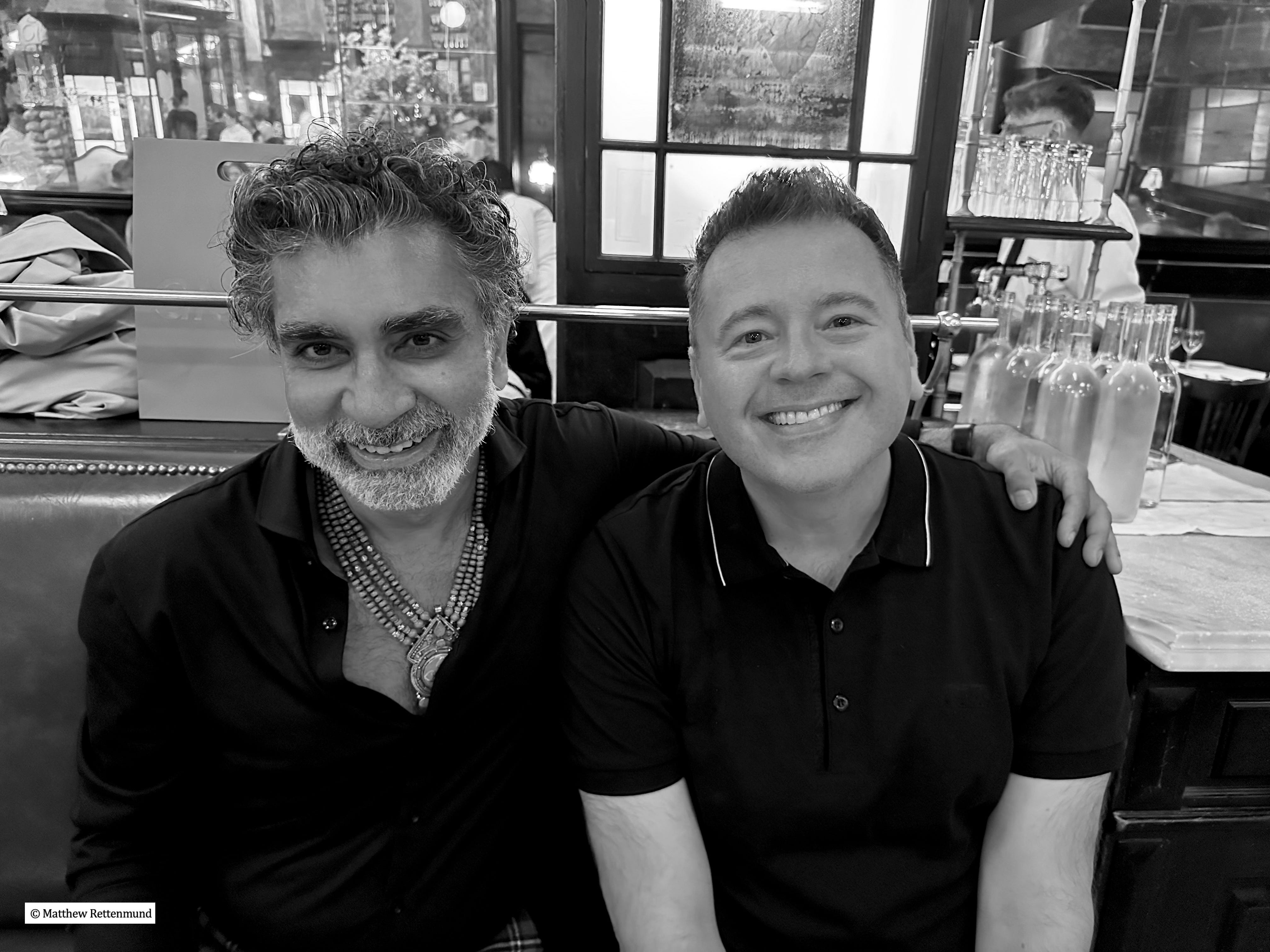
Still, I hesitated to write about him, with media outlets eagerly recycling tidbits (that is why I am asserting my copyright on the images — I don’t want them to be part of anyone’s true-crime entertainment). I also do not wish to upset anyone around him, and I understand that when you’re close to someone who has died, there can be an urge to want to control how they’re remembered, and by whom.
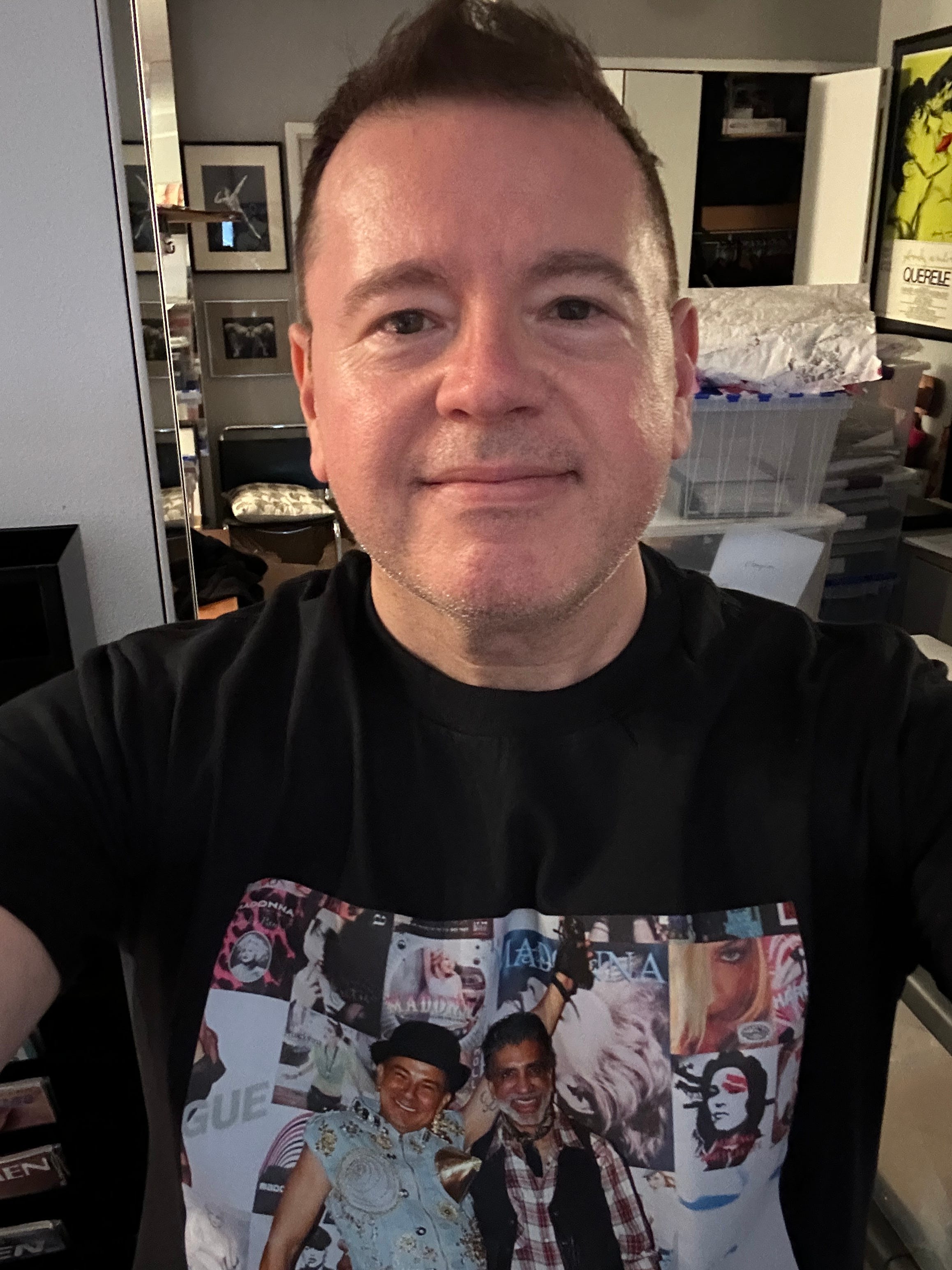
But I have never felt more sure that I needed to write about someone in death. Zafar meant too much to me not to, he was a big proponent of remembering people who have died, he was one of my most loyal boosters and he absolutely loved attention, in the best possible way. I know he and Guillermo would have loved this, just as surely as I know they did not deserve what happened to them.
As you can tell, as with Gore Vidal’s, I was such a fan of Zafar’s life.⚡️
What an utterly tragic and sad, senseless injustice! I am so sorry for your loss, Matt, and you have illuminated your friendship with Zafar so radiantly here. The line about sharing his location sent a shiver down my spine. I hope they were able to die holding hands or comforting each other. Most importantly, I hope the perpetrators are brought to complete justice. Wrapping my head around this is difficult and I did not even know them. HUGE hugs from California, Matt. I hope Zafar comes to you in a warm and moonlit dream!
My heart hurts for you and for everyone who loved them.